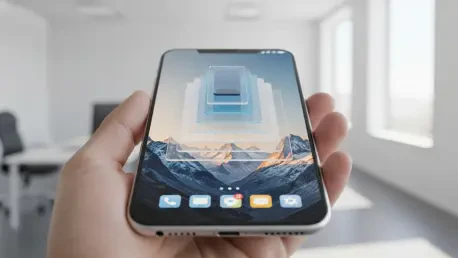

The evolution of smartphone interfaces has historically prioritized functionality over visual depth, yet the demand for a truly immersive and personalized digital environment has never been higher among global consumers. Recent leaks regarding the upcoming iOS 26 update suggest that Apple is set to address this desire by integrating sophisticated artificial intelligence capable of generating real-time 3D wallpapers. This development marks a departure from the static or semi-dynamic backgrounds of previous years, offering a layer of interactivity that responds to physical device movement. By utilizing advanced depth-sensing algorithms, the system can isolate subjects within a standard photograph and create a multi-dimensional effect that feels alive. This shift indicates a broader industry trend where the operating system acts as a canvas for individual expression rather than a rigid framework. As users increasingly seek ways to make their devices unique, the introduction of these AI-driven visual tools represents a major milestone in hardware-software synergy.
1. Technical Architecture of Dynamic Depth Synthesis
The technical foundation for these 3D wallpapers rests upon the enhanced neural processing capabilities found in current silicon, which allows for instantaneous image segmentation and layer analysis. Unlike traditional parallax effects that simply shift a background image, this new system uses generative AI to fill in gaps behind the foreground subject, ensuring a seamless visual experience during steep device tilts. When a user selects a standard portrait or landscape shot, the software identifies primary elements and creates a virtual 3D map of the scene. This mapping process accounts for light sources and shadows, making the final wallpaper appear as if it is physically contained within the glass of the screen. This high level of computational photography ensures that even low-resolution images can be transformed into high-fidelity interactive environments. The implementation of such a power-intensive feature requires significant optimization to ensure that the fluid motion does not negatively impact the total battery life of the iPhone.
Beyond the automatic generation of depth, the software provides users with granular control over the aesthetic outcome, allowing for adjustments to the intensity of the motion and the focus of the blurred background elements. The interface for these settings has been redesigned to be intuitive, enabling non-technical users to achieve professional-grade results with just a few taps. Within the wallpaper gallery, a new toggle for depth effects offers a preview of how the image will react to gyroscope and accelerometer data. Furthermore, the system can suggest specific color palettes and lighting styles that complement the 3D effect, drawing from a vast library of artistic filters. This level of customization ensures that no two home screens look alike, fostering a sense of ownership over the digital space. Moreover, the integration of these wallpapers extends to the lock screen, where notifications and time widgets are rendered to appear as if they are floating between the different layers of the image.
2. Strategic Implications for Mobile Personalization and Future Development
From a strategic standpoint, the focus on 3D personalization reflects a move to differentiate the ecosystem from competitors through superior software-driven experiences. By providing these tools natively, the company reduces the reliance on third-party customization apps that often struggle with system-level integration and efficiency. This approach also signals a shift toward making AI a subtle but ubiquitous part of the daily user experience, rather than a separate, standalone tool. Analysts suggest that this feature could lead to a new marketplace for interactive digital assets, where designers can sell specialized depth-ready themes. This ecosystem expansion could potentially increase user retention as the iPhone becomes more than a tool; it becomes a curated gallery of personal memories and artistic choices. The emphasis on high-performance AI also serves to justify the hardware upgrades required for newer devices, demonstrating a clear link between processing power and tangible user benefits.
The introduction of AI-powered 3D wallpapers in iOS 26 established a new standard for mobile interface design that shifted the focus from static utility to dynamic interaction. Developers who sought to capitalize on this change began optimizing their image-sharing platforms to support high-metadata files that included depth information. For users, the primary takeaway involved embracing the creative potential of their own photo libraries to build a more engaging digital home. Organizations looking to maintain a modern digital presence should have considered how their branding and visual assets translated into these multi-dimensional formats. Looking ahead toward 2027 and 2028, the integration of spatial computing elements into standard mobile operating systems will likely accelerate, necessitating a deeper understanding of three-dimensional design principles. Professionals were encouraged to experiment with depth-mapping tools to stay ahead of the curve as the boundaries between physical and digital perspectives continued to blur.