
The integration of an on-screen game controller into the Pixel Fold ecosystem represents a significant shift in how foldable hardware utilizes expanded screen real estate for mobile gaming. This specific update addresses a long-standing demand for better control layouts on flexible displays, which often leave users struggling with standard touch interfaces that cover crucial visual elements. The November 2026 update cycle for the Google System highlights these advancements, alongside essential improvements to Play services and the Play Store across the entire Android landscape, including Wear OS and Android TV. These monthly release notes serve as a roadmap for the ongoing refinement of the mobile operating system, focusing on stability and developer flexibility. By optimizing background processes and first-party applications like AICore and Android System Intelligence, the ecosystem maintains its competitive edge. Users can expect more fluid interactions with their hardware as these incremental yet vital updates are deployed to millions of active devices throughout the month.
1. Exploring the Core Google System Components
The foundational architecture of the Google System encompasses a vast array of background services and first-party applications that operate silently to maintain device health. Components such as Android AICore, System SafetyCore, and Adaptive Connectivity Services work in tandem to ensure that hardware resources are allocated efficiently across different usage scenarios. While these services are often invisible to the average user, their role in maintaining system integrity is paramount, especially as mobile software becomes increasingly reliant on complex on-device machine learning. The latest updates provide enhanced stability for these background processes, ensuring that tasks ranging from network handoffs to privacy-focused data processing occur without interruption. Furthermore, these refinements allow for a more cohesive experience when transitioning between different form factors, such as moving from a standard smartphone to a tablet or a wearable device, reflecting a modular design philosophy that supports a wide range of hardware.
Developer-centric enhancements form another pillar of the recent system updates, particularly within Google Play services and WebView. By introducing new APIs that allow third-party applications to query a user’s age range or interact more deeply with location-based contexts, the platform empowers creators to build safer and more personalized software environments. This evolution is particularly evident in the automotive and smart home sectors, where updated services facilitate better integration between Android devices and Matter-compatible hardware. Additionally, improvements to the Android Developer Verifier and System Key Verifier ensure that security protocols remain robust against emerging threats. These changes not only protect the end user but also provide a stable framework for developers to experiment with new features without compromising the underlying system security. This dual focus on user experience and technical reliability ensures that the Android ecosystem remains a versatile choice for digital innovation.
2. Innovations in Play Store Functionality
The headline feature for the November release cycle is undoubtedly the arrival of the Pixel virtual gamepad for the Pixel Fold. Available starting with Google Play Store version 54.1, this feature activates when the device is in its fully unfolded state, providing a dedicated touch-based controller on the expansive inner screen. This allows users to enjoy supported Android titles with a layout that mimics traditional console controllers, effectively solving the ergonomic issue of reaching for central screen buttons on a large display. The virtual gamepad is designed to be highly responsive, reducing the latency typically associated with standard on-screen overlays. This development signifies a broader commitment to optimizing the foldable experience, moving beyond mere window management into specialized utility. By leveraging the unique physical properties of the Fold, the update transforms the device into a more capable portable gaming machine that caters specifically to power users and enthusiasts.
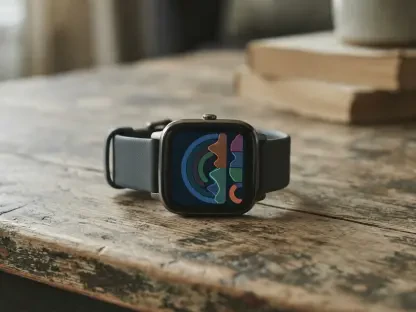
Discoverability within the Google Play Store has also received a significant overhaul, prioritizing visual immersion and intelligent search functionality. For Wear OS users, the app details page now features large, high-resolution previews of watch faces, allowing for a much clearer understanding of how a design will look on the wrist before initiating a download. This visual-first approach is complemented by new search intelligence that suggests relevant alternative applications when a specific query returns no direct results, reducing user frustration during navigation. Furthermore, version 53.9 of the Play Store introduces at-a-glance highlights on game detail pages. These summaries consolidate gameplay styles, review data, and community activity into a concise format, helping players make informed decisions quickly. These interface improvements demonstrate a shift toward a more curated and data-driven marketplace, where the most relevant information is pushed to the forefront to streamline the user journey across all devices.
3. Managing Connectivity and Digital Security Protocols
Connectivity remains a central theme in the latest Google Play services updates, focusing on cross-device synergy between smartphones, wearables, and personal computers. A notable enhancement for Wear OS allows a watch to utilize the GNSS data from a paired phone during outdoor workouts, significantly extending battery life. This seamless integration extends to the desktop, where the Quick Share extension now automates photo and video backups from Android phones to Windows. Beyond connectivity, security and management tools have seen critical updates, particularly within the Google Password Manager. Users can now manually choose which credentials to prioritize when importing passwords or passkeys that conflict with existing data, preventing accidental overwrites. This level of granular control is paired with the introduction of the Android Family Hub in system settings, which provides a centralized location for managing family tools. Together, these updates ensure that the Android ecosystem remains both secure and highly interconnected.
Maintaining a high-performing device requires consistent attention to the latest system service updates. Users can verify their software status by following these specific steps:
- Launch the Settings application on the device.
- Select the profile name to access Google services.
- Navigate to the All services tab.
- Choose the Privacy and security section.
- Select System services to check for updates.
By prioritizing these monthly refinements, the Android community successfully bridges the gap between legacy performance and current security requirements. The transition to these enhanced versions provides a solid foundation for more complex mobile experiences, demonstrating that timely software deployment is essential for the longevity of foldable and wearable technology. These steps effectively empower users to take full control of their digital lifecycle, ensuring that the ecosystem remains both versatile and resilient against the challenges of a rapidly evolving landscape.