
The rapid evolution of the mobile ecosystem has reached a critical juncture where the lines between professional productivity and personal wellness monitoring are becoming increasingly blurred. As consumers in 2026 demand more seamless integration between their various screens, manufacturers are forced to rethink how hardware interacts within a unified digital environment. The recent unveiling of the OPPO Watch 5 alongside the Pad Air 6 represents more than just a hardware refresh; it is a calculated attempt to secure a dominant position in a market that prioritizes both visual excellence and extreme durability. By addressing long-standing issues like outdoor screen legibility and tablet eye fatigue, these devices suggest that the industry will focus heavily on refining physical interaction with technology over the next few years. This strategic expansion into the Chinese market serves as a precursor to a wider global strategy that could fundamentally shift how tech enthusiasts perceive mid-range devices.
Engineering the Future of Personal Devices
The New Standard for Wrist-Based Hardware
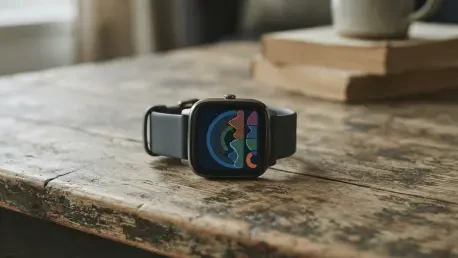
The introduction of the OPPO Watch 5 marks a significant shift toward prioritizing extreme outdoor visibility, a feature often neglected in the mid-range wearable segment. At the heart of this device lies a 1.85-inch square AMOLED display that balances aesthetic elegance with a level of brightness previously reserved for professional-grade outdoor equipment. While the panel operates at a standard maximum of 600 nits for typical indoor use, it possesses the remarkable ability to surge to a peak of 3,000 nits when specific outdoor sports modes are activated. This ensures that every metric and notification remains perfectly legible even under punishing direct sunlight. To protect this sophisticated panel, engineers utilized a robust aluminum alloy frame paired with Gorilla Glass 5, ensuring the device can withstand the rigors of an active lifestyle. The design philosophy emphasizes that a smartwatch should be as resilient as it is functional.
Underneath its durable exterior, the wearable is powered by the efficient BES2710IBP processor, running the latest iteration of ColorOS Watch 17 to provide a responsive user experience. This software architecture is designed for broad compatibility, allowing users to sync their data effortlessly whether they are using an Android or iOS device. Health monitoring remains a cornerstone of the experience, with an array of sensors dedicated to tracking heart rate, blood oxygen saturation, sleep quality, and even minute changes in wrist temperature. Furthermore, the inclusion of 5ATM and IP69K ratings elevates the device’s reliability, protecting it against high-pressure water jets and fine dust particles during intense physical activities. In terms of longevity, the battery system offers a versatile range of performance, lasting up to ten full days in maximum endurance mode or maintaining a solid three days of uptime even with the Always-On Display constantly engaged.
Redefining Tablet Versatility and Efficiency
Parallel to the wearable release, the OPPO Pad Air 6 addresses the growing demand for large-format tablets that can handle both heavy multitasking and immersive media consumption. The device features a sprawling 12.1-inch LCD with a high-fidelity 2.8K resolution and a 120Hz refresh rate, creating a visual environment that is both fluid and sharp. Driving this experience is the MediaTek Dimensity 7360 chipset, which works in tandem with LPDDR5X RAM and UFS 3.1 storage to ensure that applications load quickly and run without stuttering. A particularly noteworthy innovation is the Soft Light edition, specifically engineered to minimize blue light emissions and reduce the physical strain associated with long hours of screen time. This focus on eye comfort suggests that the manufacturer is closely monitoring the needs of students and professionals who have transitioned to digitized workflows. Connectivity options remain flexible, offering both Wi-Fi and 5G models to cater to different mobility needs.
Supporting these high-performance components is a massive 10,050mAh battery, which utilizes 33W wired charging to minimize downtime during busy workdays. When retail availability began on November 20, 2026, the pricing structure strategically targeted the competitive middle market, with the Watch 5 entering at CNY 899 and the Pad Air 6 starting at CNY 2,599. For those looking to maximize their productivity, the availability of the OPPO Pencil 2 at a promotional rate offered a clear path toward a more integrated creative setup. Investors and tech adopters recognized that the brand successfully leveraged high-end display technology to differentiate itself from more generic alternatives. Moving forward, the most effective strategy for users involves assessing their specific need for high-brightness outdoor tracking versus indoor productivity, as these devices demonstrate that specialized hardware can solve unique environmental challenges. This launch proved that a cohesive ecosystem remains the primary driver of modern consumer loyalty.