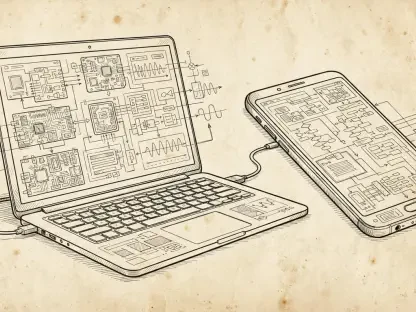

A unified intelligent ecosystem allows the device to function as a single entity rather than a collection of isolated applications requiring manual coordination. This architectural shift marks a departure from the era of fragmented utility, where users acted as the primary bridge between disparate software tools. Modern mobile operating systems now leverage sophisticated generative models that analyze context across calendars and emails to anticipate needs before they are explicitly stated. Instead of digging through multiple tabs to find a flight confirmation number and then manually entering it into a rideshare app, the system recognizes the upcoming journey and prepares options in the background. The emergence of these autonomous capabilities suggests that the smartphone has matured into a proactive digital companion. This evolution relies on the deep integration of semantic understanding that defines the current standard of mobile user interaction in the professional landscape today.
Integrating Generative Logic Into Daily Workflows
Integrating Generative Logic Into Daily Workflows has transformed Siri from a simple voice-activated tool into a sophisticated agent. The implementation of Apple Intelligence allows the processor to interpret natural language nuances that were previously incomprehensible. It now identifies relationships between entities, such as recognizing that a “meeting with Sarah” refers to the specific contact who sent an email about a project last Tuesday. This capability enables the hardware to execute complex sequences of actions. For instance, a user might request to send a summary of a document to a group of colleagues. The AI locates the file, synthesizes the core points using high-level summarization algorithms, and drafts the message in the appropriate communication channel. This level of autonomy reduces the cognitive load on the user, transforming the interface into a management layer that oversees digital logistics with minimal oversight or manual data entry in 2026.
Deep semantic indexing serves as the backbone of this transformation, creating a localized knowledge base that respects user privacy while maximizing utility. This technology allows the device to index everything from text messages to photo metadata, establishing a web of connections that mirrors human memory. When a user asks for information about a dinner reservation mentioned in a group chat, the system does not simply search for the word “dinner.” It understands the temporal context, the location involved, and the specific individuals participating in the event. By leveraging on-device neural engines, the phone processes these queries without sending sensitive personal data to external servers. The result is a highly personalized experience that feels intuitive. Users can now rely on their devices to remember small details and provide relevant suggestions at the precise moment they are needed, effectively acting as an omnipresent and highly capable administrative assistant for tasks.
Strategic Optimization: The Path to Seamless Assistance
The expansion of the App Intents framework has revolutionized how different software programs communicate with one another under the guidance of a central intelligence. Developers now provide the system with structured descriptions of their app’s capabilities, allowing the AI to “see” and “use” features within those apps. This means that a single command can trigger a chain reaction across multiple platforms. For example, asking the device to “set up the budget for the trip” can prompt it to pull expense data from a spreadsheet, compare it with flight prices in a travel app, and update a shared calendar. This interoperability eliminates the friction inherent in the old model of copying and pasting information between windows. As more third-party developers adopt these protocols from 2026 to 2028, the ecosystem will become increasingly cohesive. The device essentially learns specific workflows, adapting its responses to match individual habits and professional requirements seamlessly.
The initial transition toward a fully integrated digital concierge was characterized by a focus on refining natural language processing and enhancing cross-app visibility. Organizations that prioritized the integration of their proprietary tools with these intelligent frameworks observed a significant increase in user engagement and operational efficiency. Moving forward, it was clear that the most effective strategy involved auditing current digital habits to identify repetitive tasks suitable for automation. Users who successfully harnessed these tools began by defining clear parameters for their digital assistants, ensuring that the AI had the necessary permissions to access relevant data while maintaining security barriers. To maximize the benefits of this technology, it became essential to regularly update app permissions and review the semantic index to ensure the device remained aligned with changing priorities. Investing time in training the system through interaction proved to be the reliable way to achieve a concierge.