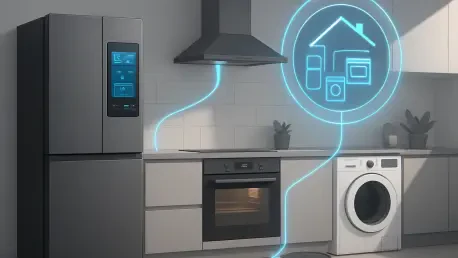

A major challenge for the AI Vision system is maintaining accuracy when users have diverse storage habits that might obscure labels or create visual clutter inside the fridge. This technical hurdle highlights the shift toward software-driven hardware that defines the current era of domestic technology. Historically, the functionality of large appliances like refrigerators and washing machines was entirely static, confined to the mechanical capabilities present at the factory. However, the rollout of the Tizen 10.0 operating system represents a fundamental strategic pivot in how home hardware lifecycles are managed. By bridging the gap between rapidly evolving artificial intelligence and the slow replacement cycles of heavy machinery, Samsung is offering a way to modernize the home environment without the need for constant physical upgrades. This update focuses on enhancing the digital experience through smarter food management and natural interactions, effectively turning a standard appliance into a responsive assistant that adapts to the needs of the household in 2026 and beyond.
Targeted Hardware and Regional Availability
Defining Compatibility: A Model-Specific Rollout
The distribution of Tizen 10.0 is not a universal update for every smart device but is instead tailored toward specific high-performance product tiers. For the 2026 to 2028 cycle, eligibility is strictly defined by internal model codes rather than broad marketing labels like Bespoke or Family Hub. This distinction is critical because the software remains deeply tethered to the original physical build of the machine. For instance, visual food recognition and Gemini-integrated features are exclusive to refrigerators that were manufactured with internal camera systems. Software can optimize the way a sensor interprets data, but it cannot manifest physical components that were never there. Consequently, owners of premium appliances from the last several years are the primary beneficiaries of this update. This approach rewards early adopters of smart technology by ensuring their significant financial investments remain relevant as AI capabilities continue to accelerate in complexity and utility.
Understanding the specific eligibility criteria is the first step for any homeowner looking to upgrade their digital environment. Since branding can sometimes be ambiguous across different global markets, consumers must verify their hardware specifications to confirm which precise features will be activated on their machines. The update encompasses a wide range of devices, including laundry units and refrigerators that possess the necessary processing power to handle the more demanding Tizen 10.0 architecture. By focusing on specific tiers, the manufacturer ensures that the user experience remains fluid and responsive, avoiding the performance lag that often plagues older hardware when forced to run modern software. This meticulous targeting demonstrates a commitment to quality over quantity, prioritizing a stable and efficient interface for users who rely on these machines for their daily routines. The update effectively serves as a bridge, extending the technological lifespan of hardware that would otherwise be considered dated.
Prerequisites: Connectivity and Regional Variability
For users in diverse markets such as Malaysia, the arrival of Tizen 10.0 is not a simultaneous global event but a staggered rollout that depends on regional software optimization. Global releases are often phased to ensure that local infrastructure and language support are fully integrated before the software goes live. Because of this, the specific suite of features available in Southeast Asia might differ from those seen in North America or Europe. Malaysian owners are encouraged to look beyond general marketing materials and consult localized support channels to understand the exact timeline for their devices. This phased approach allows for better management of server loads and provides an opportunity to address any region-specific bugs that might arise during the initial deployment. It also reflects the reality that smart home ecosystems are deeply influenced by the local digital landscape, including internet speeds and the prevalence of specific smart home standards.
Beyond regional availability, the realization of Tizen 10.0’s benefits depends entirely on a robust digital foundation within the home. Stable Wi-Fi connectivity and an active manufacturer account are mandatory prerequisites for downloading and maintaining these advanced features. Without a consistent internet connection, the refrigerator cannot access the cloud-based processing required for advanced food recognition, nor can the laundry unit update its voice recognition library. When the update becomes available for a specific model, an on-screen notification typically alerts the user, making the installation process relatively seamless for connected households. This transition from a disconnected appliance to a cloud-linked node in a wider ecosystem is a hallmark of the 2026 smart home. It emphasizes that the modern appliance is no longer a standalone tool but a service-oriented device that requires ongoing maintenance and connectivity to provide its full value to the modern consumer.
Smart Functionality in Kitchen and Laundry
AI Vision: Intelligence in Grocery Management
In the heart of the kitchen, Tizen 10.0 aims to drastically reduce the mental load of grocery management by integrating sophisticated AI models like Google Gemini into the existing vision system. This integration allows the appliance to recognize a much wider spectrum of food items, moving beyond basic shapes to identify specific packaged goods and even regional ingredients common in diverse culinary traditions. When a refrigerator can accurately log the presence of specific items in real-time, it facilitates better coordination among family members. For example, a user at the grocery store can remotely check the internal inventory via a smartphone app to avoid duplicate purchases or to verify if they have the necessary components for a specific recipe. This level of transparency in food storage is designed to minimize waste and streamline the process of meal planning, which has become increasingly complex for busy households.
The effectiveness of these intelligent systems is constantly being tested by the realities of domestic life. The software must be capable of identifying items even when they are partially obscured or placed in non-standard containers. While the update provides a much clearer picture of available groceries than previous versions, its practical value is ultimately a result of how well the AI adapts to these messy, real-world variables. Furthermore, the push toward localization means that the system is becoming better at recognizing unique local foods, though this remains an area where users will need to provide feedback to refine the accuracy of the recognition algorithms. By turning the refrigerator into an active participant in inventory management, the technology seeks to solve the age-old problem of forgotten items rotting in the back of the shelf. This proactive approach to food care illustrates how software can transform a passive cooling box into an active household manager.
Natural Interactions: Enhancing User Interfaces
The evolution of the laundry experience under Tizen 10.0 is defined by a shift toward more natural and intuitive interactions. The updated Bixby voice assistant has been refined to understand situational phrasing rather than requiring rigid, specific commands. Users can now ask their washing machines or dryers complex questions about the status of a cycle or request advice on which settings to use for specific fabric types. This is particularly beneficial for individuals who are multitasking—such as parents managing childcare or professionals working from home—who may not be able to physically walk over to the appliance to check a timer. The success of these voice-driven updates depends heavily on the system’s ability to parse various accents and filter out the background noise common in a busy household. This move toward conversational AI makes the technology feel more like a helpful partner and less like a complex piece of industrial equipment.
For appliances equipped with large digital displays, the introduction of Easy Mode provides a streamlined layout that prioritizes essential information and direct controls. This simplified interface is a response to the growing complexity of digital menus, which can sometimes overwhelm users who simply want to start a quick wash. By lowering the barrier to entry, Easy Mode ensures that the benefits of a high-tech home are accessible to every member of the household, regardless of their technical proficiency. This design philosophy recognizes that while power users may appreciate deep menus and granular settings, the majority of people value speed and clarity in their daily chores. The combination of natural voice interaction and a simplified visual interface represents a holistic approach to user experience. It acknowledges that the goal of home technology should be to simplify life, not to add another layer of digital complexity to an already crowded daily schedule.
Future Considerations for Software-Defined Homes
The implementation of Tizen 10.0 provided a clear roadmap for the future of the appliance industry, where the value of a physical product became inextricably linked to its software support. This transition allowed many households to modernize their living spaces without the logistical headaches associated with replacing heavy machinery, such as coordinating deliveries or disposing of old units. While the update did not physically alter the mechanical components, such as the motor or the cooling coils, it significantly improved the way users interacted with their machines on a daily basis. The focus shifted from the raw power of the hardware to the intelligence of the interface, proving that a well-timed software update could breathe new life into existing equipment. This strategy effectively rewarded brand loyalty and helped to establish a more sustainable model of consumption by extending the functional relevance of high-end appliances.
Reflecting on the rollout, it was evident that the primary benefits were found in the elimination of small, repetitive friction points in domestic routines. Whether it was the smarter tracking of groceries or the more conversational tone of the voice assistant, the technology succeeded by becoming more invisible and more integrated into the flow of the day. For consumers, the actionable next step involved ensuring that their home networks were robust enough to support these data-heavy interactions. Moving forward, the industry likely moved toward even deeper integration between different categories of devices, creating a home environment that felt truly cohesive. Owners were encouraged to stay informed about future software cycles, as the distinction between a machine and a smart assistant continued to blur. The experience with this update demonstrated that the most significant innovations in the home were no longer just about what the machines could do physically, but how well they could think and communicate.