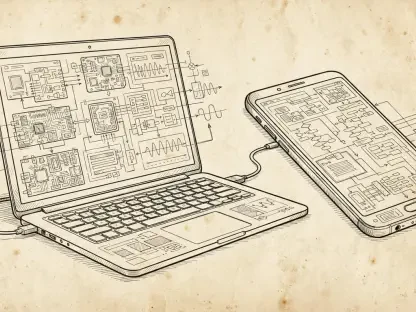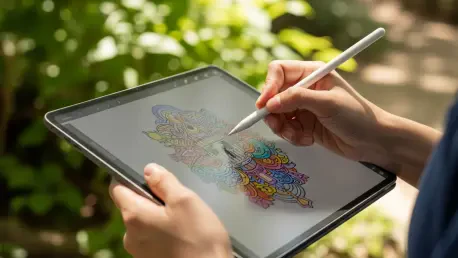

The contemporary digital landscape has undergone a radical transformation, moving away from rigid device categories that once limited the scope of mobile productivity and personal entertainment. In previous cycles, consumers often viewed tablets as secondary tools—essentially oversized smartphones used for watching videos or light gaming—but today, the reality is defined by a mixed-use paradigm where users expect a single piece of hardware to transition effortlessly between professional tasks and high-definition media consumption. This evolution is particularly visible during major promotional events, which serve as a barometer for consumer behavior and technological maturity. Shoppers are no longer interested in paying full retail prices for basic upgrades; instead, they are hunting for high-performance hardware that integrates the latest advancements in artificial intelligence and display technology, proving that the tablet has become a central hub for the modern digital lifestyle. As the lines between work and play continue to blur, the tolerance for technical limitations has vanished, and manufacturers are responding with devices that function as intelligent partners. These machines are expected to handle complex workflows, from high-definition video editing to generative content creation, while maintaining the extreme portability that originally defined the tablet category. The result is a market where performance is no longer a luxury but a baseline requirement for any device claiming to support a modern workflow.
The Evolution: Defining the Mixed-Use Digital Landscape
The demand for extreme versatility has forced manufacturers to rethink the fundamental utility of the tablet in a world where users no longer tolerate technical compromise. These devices are now uniquely positioned to offer a singular interface for streaming high-quality media, managing complex social feeds, and performing professional tasks such as heavy email management or document collaboration. This all-in-one approach means that a modern tablet must possess the processing power of a high-end laptop while maintaining the extreme portability and tactile response of a mobile device. As the functional boundaries between professional work and personal leisure continue to disappear, the tolerance for technical limitations or hardware stuttering has vanished from the consumer mindset. Users now view these devices as essential conduits for their digital identity, requiring them to be as responsive as a desktop computer. This shift has turned the tablet into a primary window for interacting with the global digital ecosystem, rather than just a luxury accessory for the occasional movie or digital book.
Building on this transition, the current market reflects a significant change in how hardware longevity is perceived by the average consumer. In the period from 2026 to 2028, the focus has shifted toward “future-proof” specifications that can handle the increasing computational load of background artificial intelligence processes. Buyers are increasingly prioritizing large memory pools and advanced thermal management to ensure that their devices do not become obsolete as software updates become more demanding. This emphasis on sustained performance has led to a decline in the popularity of entry-level tablets that lack the necessary neural processing units to support modern features. Consequently, the industry is seeing a consolidation around mid-to-high-tier devices that can realistically serve as a user’s only computer for travel or casual home use. The move toward this mixed-use reality has effectively killed the “disposable tablet” market, replacing it with a demand for durable, high-performance machines that can adapt to a variety of environmental and professional contexts without failing the user.
Samsung and the Integration: Intelligence within Hardware
Samsung has maintained its lead in the Android space by focusing on premium hardware paired with sophisticated software that leverages the power of on-device intelligence. The latest Galaxy Tab S10+ exemplifies this strategy, featuring a massive 12.4-inch Dynamic AMOLED 2X display and 12GB of RAM to handle intensive multitasking scenarios. A core driver of its appeal is the integration of Galaxy AI, which uses dedicated on-device processing to assist users with creative workflows and organizational tasks in real-time. By keeping these processes on the device rather than relying solely on the cloud, Samsung offers a more responsive and private experience for professionals who handle sensitive data. The hardware is designed to support these AI features without sacrificing battery life, utilizing advanced silicon that prioritizes efficiency during background tasks. This focus on premium specifications ensures that the device remains a top contender for those who require a high-performance workspace that fits into a backpack.
To further distinguish its offerings from the competition, Samsung continues to bundle the S Pen stylus with its tablets, a move that provides immediate value for note-takers and digital artists. Even in more affordable models like the Tab S10 FE+, the focus remains on providing an expansive and durable workspace that does not compromise on the core user experience. This strategy highlights a market-wide trend where artificial intelligence and high-end hardware are becoming accessible across various price points, rather than being restricted to the absolute most expensive models. By providing a consistent set of intelligent tools across its lineup, Samsung has created an ecosystem where users can choose the screen size and price that fits their needs without losing out on the “smart” features that define modern computing. This approach has solidified their position as the primary alternative to traditional laptops for students and creative professionals alike, offering a tactile and intuitive way to interact with digital content that a keyboard and mouse simply cannot replicate.
Apple’s Ecosystem: Pioneering Silicon and Intelligent Software
Apple continues to set the industry benchmark by following a dual-track strategy that caters to both casual consumers and high-end creative professionals. The standard 11-inch iPad remains a popular choice for the general public, offering a balance of price and performance that is difficult for competitors to match in the entry-level segment. Features like Center Stage demonstrate how Apple uses intelligent camera software to enhance the user experience during video calls, making the device an essential tool for remote communication and digital learning. This focus on “invisible AI” allows the user to benefit from complex algorithms without having to manage them directly, creating a seamless experience that has become the hallmark of the iPad ecosystem. By optimizing every aspect of the software to run on custom silicon, Apple ensures that even its most affordable tablets feel snappy and responsive during everyday tasks like web browsing or streaming high-definition video content.
At the premium end of the spectrum, the iPad Pro powered by the M5 chip represents the cutting edge of mobile computing and neural processing power. This device features dedicated Neural Accelerators specifically designed to run the upcoming Apple Intelligence tools, which are integrated deeply into the iPadOS architecture. By focusing on intensive tasks like graphic design, 4K video editing, and complex 3D modeling, Apple is positioning the tablet as a legitimate replacement for high-end workstations for mobile professionals. The synergy between the M-series silicon and the Liquid Retina XDR display provides a level of color accuracy and performance that was previously reserved for desktop monitors. This focus on high-end optimization ensures that the iPad Pro remains the go-to choice for users who cannot afford to have their hardware lag during critical professional projects. As the ecosystem matures, the gap between what a tablet can do and what a professional laptop can do continues to shrink, driven by Apple’s relentless pursuit of silicon efficiency.
Specialized Solutions: Addressing Niche Consumer Requirements
While the major players focus on general productivity and high-end performance, brands like Amazon and TCL have found success by targeting specific niches with specialized hardware. Amazon’s Fire 7 Kids Tablet, for example, prioritizes physical durability and a curated digital environment over raw processing power or high-resolution displays. This approach ensures that the technology is safe and functional for younger users, emphasizing a “kid-proof” ecosystem that parents can trust without constant supervision. By focusing on a specific age demographic, Amazon has managed to dominate a segment of the market that the more expensive manufacturers often overlook. The inclusion of a robust protective case and a comprehensive library of educational content provides a value proposition that is centered on peace of mind rather than technical specifications. This demonstrates that there is still significant room in the market for devices that do one thing exceptionally well rather than trying to be everything to everyone.
In contrast to the family-oriented focus of Amazon, TCL is addressing the growing global concern over digital eye strain with its innovative Nxtpaper technology. By utilizing a matte, anti-glare coating that mimics the look and feel of physical paper, these tablets cater to avid readers and digital artists who spend long hours looking at a screen. This diversification shows that the modern market is moving away from a “one size fits all” mentality and toward specialized hardware that prioritizes user health and comfort in a digital-first world. The Nxtpaper displays offer a unique tactile experience that reduces blue light emission at the hardware level, providing a more natural viewing experience that does not sacrifice the benefits of a full-color tablet. This move toward specialized display tech highlights a growing consumer awareness of how technology affects physical well-being, pushing manufacturers to innovate in areas beyond just processor speed. For users who prioritize reading and sketching over high-frame-rate gaming, these specialized devices offer a superior alternative to the standard glossy screens found elsewhere.
Bridging the Performance Gap: The Intersection of Tablets and Desktop Utility
The Microsoft Surface Pro represents the most aggressive push toward merging the tablet form factor with the full capabilities of a desktop operating system. Powered by the Snapdragon X Plus processor, it leverages Windows 11 and Copilot+ AI integration to provide a laptop-like experience without the bulk of a traditional clamshell design. This device specifically targets “prosumers” and corporate users who need full software compatibility with legacy applications while demanding the portability of a touchscreen slate. The shift toward ARM-based processors in these high-end devices marks a significant turning point for the industry, as it allows for better thermal efficiency and longer battery life during intensive tasks. By integrating AI assistants directly into the workflow, the Surface Pro allows users to automate repetitive tasks and find information more quickly, bridging the gap between mobile architecture and desktop utility. This makes it a formidable tool for those who require a device that can transition from a tablet in a meeting to a full workstation at a desk.
The success of the Snapdragon architecture in this space has proven that tablets can finally handle the rigorous demands of professional-grade software without thermal throttling. These chips allow for a level of “snappiness” that was previously unavailable on Windows-based tablets, enabling the smooth operation of complex AI tools that adapt to a user’s habits over time. By prioritizing power efficiency, Microsoft has addressed one of the longest-standing complaints about the Surface line, ensuring that users can get through a full workday on a single charge. This evolution has forced other manufacturers to reconsider their own hardware strategies, as the expectation for “full PC” performance on a tablet becomes the new standard for the high-end market. The result is a more competitive landscape where the distinction between a tablet and a laptop is increasingly a matter of form factor preference rather than a trade-off in processing power or software capability. Professionals now have the freedom to choose the device that best fits their physical environment without worrying about whether it can run the applications they need.
Universal Trends: The New Technical Standards for Modern Devices
A synthesis of current market data reveals that artificial intelligence is no longer considered a luxury feature; it is becoming a standard component of the tablet experience. Whether it is Samsung’s Galaxy AI, Apple Intelligence, or Microsoft’s Copilot+, AI is being integrated at the hardware level to improve everything from image processing and noise cancellation to battery management and predictive text. This ensures that devices remain functional as software becomes more demanding, providing a layer of future-proofing that consumers now expect when making a significant investment. The integration of neural processing units (NPUs) has allowed for these intelligent features to run locally, which reduces latency and improves overall system security. As more developers optimize their apps for these specialized processors, the benefits of AI will become even more apparent in daily tasks, making the “dumb” tablets of the past feel completely obsolete.
Another clear trend is the divergence in display technology as manufacturers seek to provide specialized viewing experiences for different types of users. While high-refresh-rate AMOLED screens remain the standard for premium media consumption and gaming, specialized paper-like displays and ultra-high-brightness panels are gaining significant traction in the professional and educational sectors. Additionally, the industry has largely settled on a 10,000mAh battery capacity as the unofficial threshold for professional-grade devices, ensuring they can withstand a full day of intensive mixed-use activity. This focus on reliability and display quality shows that manufacturers are listening to the specific needs of their target audiences, rather than just chasing the highest numbers on a spec sheet. Ultimately, the tablet market has reached a level of maturity where the focus is no longer on whether a device can perform a task, but how intuitively and comfortably it can do so for the user over long periods of time.
Strategic Considerations: Navigating the New Tablet Paradigm
The integration of advanced silicon and neural processing units moved the industry beyond the limitations of legacy mobile software, creating a new standard for portable computing. Manufacturers successfully transitioned the tablet from a secondary media consumption device into a primary productivity powerhouse by prioritizing on-device intelligence and display innovation. This shift was largely driven by the adoption of generative artificial intelligence and high-efficiency ARM architectures that allowed for laptop-level performance in a slim form factor. Consumers who sought out these devices realized significant gains in their daily efficiency as the hardware finally aligned with the complex demands of modern professional software. Every major player in the industry contributed to this new standard by focusing on how users actually interacted with their devices in diverse environments. By looking back at the trajectory of mobile computing, it became clear that the tablet had secured its place as the most flexible tool in the technological arsenal for the 2026 to 2029 period.
Users benefited significantly from prioritizing devices that offered robust ecosystem integration and high-quality biometric security features. It was recommended that professionals invested in hardware with at least 12GB of RAM to ensure long-term compatibility with evolving AI models and multitasking requirements. The market rewarded those who moved away from generic hardware toward specialized solutions like paper-like displays for artists or ruggedized frames for field work. It was observed that the most successful implementations of tablet technology were those that didn’t just replicate the desktop experience but enhanced it through touch-first AI tools. These advancements allowed for a more natural interaction with digital data, proving that the tablet was no longer just a compromise between a phone and a PC. This maturation period provided the necessary foundation for the next decade of digital innovation, ensuring that portable hardware remained relevant in a world of increasing computational complexity and mobile-first workflows.