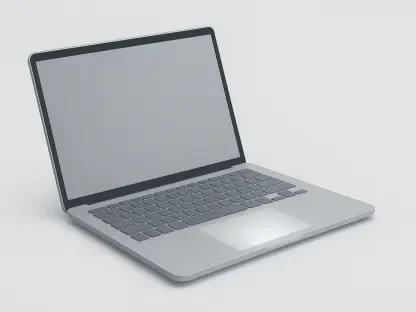

The shift from secondary education staples to high-end productivity powerhouses represents a seismic reorganization of the personal computing market that few predicted a decade ago. For years, the industry relied on a predictable hierarchy where low-cost web-centric devices occupied the bottom tier and premium workstations dominated the top. However, the arrival of the Googlebook disrupts this long-standing equilibrium by prioritizing onboard intelligence over traditional hardware metrics. This transition signals a fundamental change in consumer expectations, where the value of a machine is no longer measured by its price tag or storage capacity, but by its ability to proactively assist the user through deeply integrated software ecosystems.
The Dawn of a New Computing Philosophy
The landscape of personal computing is currently witnessing one of its most significant pivots in over a decade. Since its debut, the Chromebook defined a specific niche by providing affordable, web-centric hardware designed for students and budget-conscious professionals. Google’s recent announcement of the Googlebook signals a definitive departure from this low-cost legacy. This evolution explores the transition from the simple cloud-based architecture of ChromeOS to a new era where intelligence is the primary specification. The industry is now examining whether this hardware shift marks the true extinction of the Chromebook as we know it or a sophisticated rebranding of its core principles.
From Budget Browsing to High-End Hardware Integration
To understand the gravity of this shift, one must look back at the origins of the cloud-first model. For fifteen years, these devices were synonymous with accessibility, relying almost entirely on the browser to facilitate productivity. This model successfully disrupted the education sector and carved out a massive market share by prioritizing low overhead and cloud storage. However, as consumer needs have evolved, the limitations of a web-only interface became more apparent. The move toward the Googlebook represents the culmination of years of industry shifts toward more robust, local processing power capable of handling heavy tasks without sacrificing the instant-on simplicity that made its predecessor famous.
The Architectural Shift Toward Gemini Intelligence
Deeply Integrated AI: The New User Interface
The most striking difference between the outgoing era and the new hardware is the transition from a passive operating system to a proactive one. Central to this is the integration of Gemini Intelligence, a move that mirrors broader industry trends toward embedded assistants. Unlike previous iterations where machine learning was an added layer, the Googlebook bakes these capabilities into the user interface itself. Features like the Magic Pointer allow users to perform contextual actions such as scheduling meetings directly from raw text or editing images on the fly. This shift moves the focus from what the hardware can run to how the software can assist.
Redefining Productivity: Cross-Device Synergy
Another pillar of this new era is the total erasure of the boundary between the laptop and the Android smartphone. While previous versions offered basic app support, the Googlebook aims for a seamless ecosystem where mobile apps and desktop workflows are indistinguishable. The ability to pull mobile files directly from the taskbar and interact with phone-specific services without picking up a mobile device is a core selling point. While some critics argue that these features are evolutionary, the level of polish and integration suggests a more cohesive ecosystem strategy intended to keep users firmly within a unified digital environment.
Customization: Intelligent Widgets and Dashboards
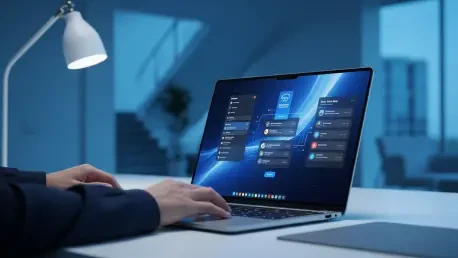
To further distance itself from the browser-in-a-box reputation, the Googlebook introduces sophisticated customization tools. This feature allows users to scrape and consolidate data from multiple apps into a single, unified dashboard. For example, a user planning a trip can pull flight data, hotel bookings, and local maps into one persistent interface on their desktop. By moving away from static windows and toward dynamic, data-driven widgets, the system addresses the complexity of modern digital life. It offers a streamlined alternative to the cluttered tabs that traditionally defined the cloud-computing experience.
Emerging Trends in the AI-Hardware Market
The transition to the Googlebook does not exist in a vacuum; it reflects a massive industry-wide trend where silicon and software are being optimized for machine learning. Major manufacturers like Acer, ASUS, Dell, HP, and Lenovo have already signed on to this new standard, signaling that the hardware industry is ready to move past the budget laptop stigma. We are likely to see a surge in specialized Neural Processing Unit adoption across these devices as the market shifts its value proposition. This movement suggests that future portable computers will be judged more on their proactive helpfulness than their raw gigahertz or local storage capacity.
Navigating the Transition for Consumers and Pros
As the Chromebook era winds down, consumers and businesses must adapt to a new set of expectations. The major takeaway from this shift is that hardware is becoming secondary to the intelligence it houses. For professionals, this means a steeper learning curve as they adopt AI-driven workflows. For businesses, it requires a reassessment of device life cycles and a focus on ecosystem compatibility rather than just unit price. The best practice during this transition is to embrace the synergy between mobile and desktop platforms, as the new philosophy relies heavily on a unified digital identity across all devices.
The Final Verdict on the Googlebook Evolution
The retirement of the legacy era in favor of the Googlebook was more than a simple name change; it represented a fundamental shift in how technology serves the user. By prioritizing deep intelligence and seamless mobile synergy, the platform positioned itself to compete in a world where smart capabilities became the baseline requirement for any portable device. While the history of digital equity remained important, the Googlebook represented the sophisticated future of computing. As these devices reached the market, they served as a testament to the idea that innovation was defined not by the web browser, but by the intelligence that powered it.