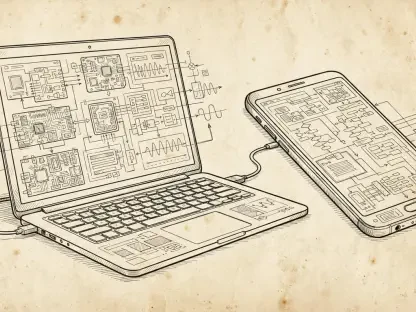

The assumption that sophisticated artificial intelligence would inevitably swallow the mobile application ecosystem whole has been fundamentally subverted by a massive wave of independent creativity that refuses to surrender to the algorithm. While many observers previously predicted that automated agents would become the primary gateway to the digital world, the current reality paints a different picture of software diversity. Mobile users are increasingly rejecting the homogeneity of all-encompassing artificial intelligence interfaces in favor of specialized, human-centric software that offers a distinct aesthetic and focused utility. This movement signals a shift away from the quest for maximum efficiency toward a more intentional and aesthetic engagement with the digital landscape.
The resurgence, characterized by a staggering increase in application launches, highlights a growing fatigue with the “everything app” model that has dominated the industry for years. People are seeking tools that reflect personal identity and community values rather than those that simply minimize the number of clicks required to complete a task. As independent developers leverage new technologies to build highly specific solutions, the digital environment is being reclaimed by tools that prioritize human connection, local interaction, and creative freedom. This trend suggests that the most successful software of the current era is that which bridges the gap between digital convenience and the nuanced needs of the real world.
The 80% Growth Miracle: Why AI Agents Haven’t Replaced the Human-Centric App Store
The narrative that automated intelligence would render traditional mobile applications obsolete is being challenged by a startling statistical reality. In a market where many expected a decline, app launches across major platforms grew by 60% this year, with Apple’s iOS store specifically seeing an 80% surge in new entries. This data indicates that rather than migrating to a single, unified chat interface for all their needs, users are flocking to a new generation of independent software. The predicted dominance of all-knowing agents has been replaced by a preference for high-quality, focused experiences that prioritize specific visual identities and human connection over pure algorithmic throughput.
This unexpected growth miracle suggests that the human experience cannot be reduced to a series of tasks for an agent to perform in the background. Users find value in the interface itself, seeking out software that offers a sense of “vibes” and intentional design. The resurgence of the app store proves that people still desire curated spaces where they can interact with content in a way that feels personal and deliberate. While AI remains a powerful tool for backend efficiency, it has failed to replace the emotional resonance and specialized functionality that a well-designed indie application provides to its community.
The Rise of “Vibe-Coding”: How AI-Assisted Development Is Democratizing Software Innovation
The barrier to entry for software creation has collapsed, giving way to the era of the “vibe-coded” application where novices and small teams can ship polished tools at unprecedented speeds. By utilizing artificial intelligence as a background infrastructure rather than a primary gimmick, these developers are solving specific human problems that large-scale models often overlook. This democratization of development has led to a vibrant, albeit crowded, marketplace where the most resonant tools are rising to the top of the charts. Developers are now focusing more on the “soul” and aesthetic of their software, using automated coding assistants to handle the technical heavy lifting while they focus on creative vision.
This shift has moved software innovation away from the corridors of massive tech conglomerates and back into the hands of individual creators. These “vibe-coded” projects often bypass the sterile, data-driven design language of major corporations in favor of something more experimental and authentic. The result is a diverse array of tools that feel more like artisanal products than mass-produced utilities. By focusing on the specific needs of niche communities, these developers are proving that the most effective use of modern technology is to empower human creativity rather than to automate it into invisibility.
From Neighborhood Markets to Digital Repositories: Navigating the New Landscape of Purpose-Driven Apps
Modern software is shifting away from mindless scrolling toward intentional organization and localized interaction through highly specialized platforms. Tools like Albo are tackling the modern problem of “link rot” by creating permanent repositories for digital inspiration, allowing users to save the essence of content from various social platforms before it disappears. Meanwhile, ThingsBook offers a “slow social” experience that focuses on long-term personal reflection and structured logging rather than the chase for viral trends. These applications reflect a broader movement toward software that serves as a living record of an individual’s thoughts and inspirations, providing a sense of permanence in a fleeting digital world.
Simultaneously, the new landscape of software is bringing commerce back to the physical world by facilitating neighborhood marketplaces for homegrown goods. Platforms like Coop allow neighbors to sell produce and handmade crafts directly to one another, bypassing traditional industrial complexes through modern digital discovery. This focus on hyper-local interaction is mirrored in creative projects like Pressed Petals, which gamifies nature walks by allowing users to digitally identify and press flowers. Such tools demonstrate that the most successful new applications are those that bridge the gap between digital convenience and real-world community, encouraging users to step away from their screens and engage with their surroundings.
Reclaiming the Human Touch: Expert Insights on Why “Old Internet” Values Are Winning
Tech enthusiasts and developers are increasingly looking backward to move forward, embracing an “old internet” philosophy where human discovery takes precedence over data-driven feeds. Insights from the success of platforms like PI.FYI reveal a deep-seated nostalgia for deliberate communication and friend-based recommendations. These applications intentionally reject the polished, “perfect” interfaces of major social networks in favor of “chaotic” creativity and manual curation. By prioritizing scenes and personal networks over algorithmic suggestions, these tools are reclaiming a sense of authenticity that many users felt was lost during the era of big-tech dominance.
The shift toward deliberate interaction is also evident in the rise of digital pen-palling services like Lettre. These platforms intentionally introduce “friction” into communication, encouraging users to build friendships through long-form writing rather than the instant gratification of modern messaging. This rejection of the “fast” internet in favor of slower, more thoughtful interactions signals a market-wide pivot toward meaningful connection. These platforms prove that the human touch remains a highly marketable feature in an increasingly automated world, as users seek out spaces that value personality and slow-paced engagement over pure speed and efficiency.
A Framework for Digital Intentionality: Leveraging Niche Utility to Reclaim Your Time and Health
To navigate this resurgence effectively, users have begun applying a strategic framework centered on niche utility and gamified wellness to reclaim their digital lives. By replacing bloated “everything apps” with single-purpose tools like Moods Faster for emotional logging or Sofa Time for media tracking, individuals can reduce digital friction and regain focus. This approach allows for a more organized digital existence where each tool serves a specific, beneficial purpose without the constant distractions of integrated social feeds. The success of these minimalist utilities demonstrates a clear demand for software that respects the user’s time rather than attempting to capture it indefinitely.
Furthermore, the adoption of “analog-digital hybrids” like Activate Fitness has introduced a new way to balance physical health with screen time. By requiring physical movement or a specific number of steps to unlock application access, these tools turn exercise into a form of digital currency that holds both individuals and families accountable. This holistic approach to digital health treats technology as a reward for physical activity rather than a default state of being. As these tools become more integrated into daily routines, they provide a blueprint for how software can be used to improve physical well-being and foster healthier habits within the modern family dynamic.
The resurgence of independent software throughout this period demonstrated that the human desire for specificity and aesthetic pleasure remained unquenchable by generic automation. The developers who succeeded during this time prioritized the “soul” of their products, proving that aesthetic decisions were just as important as technical capabilities in building a loyal user base. This era of creative growth established a permanent place for indie software as a primary venue for authentic digital expression and community building. Moving forward, the most effective strategy for maintaining digital health involved the adoption of single-purpose tools that returned control to the user. The lessons learned from these “hidden gems” provided a framework for a more intentional and human-centric internet where technology served to enhance, rather than replace, the richness of daily life. Individuals who embraced these niche utilities found themselves more connected to their local communities and more in control of their digital habits than ever before. This movement ultimately proved that as long as there were unique human problems to solve, there would always be room for great software that prioritized the human touch.