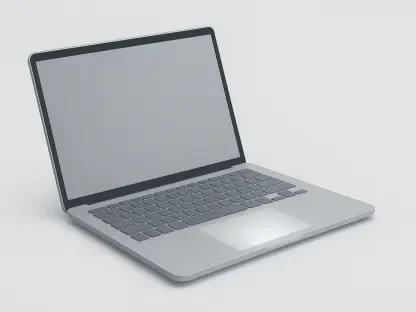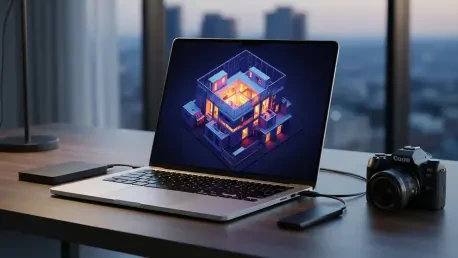

The current trajectory of high-performance mobile computing has reached a definitive turning point as professional users demand desktop-level power in increasingly slim form factors. At the recent Computex showcase, the industry witnessed a significant expansion of hardware strategy with the reveal of a device that aims to merge high-end graphical prowess with high-efficiency ARM architecture. Analysts have characterized this development as a decisive leap into a new performance tier, signaling a major departure from previous design philosophies that often compromised power for portability. By centering this flagship around the ambitious RTX Spark initiative, the collaboration between hardware and silicon giants seeks to cater specifically to developers, creative professionals, and AI researchers. This approach moves beyond the traditional boundaries of mobile productivity, offering a platform where massive local datasets can be processed on the go. Such a shift suggests that dependency on the cloud for intensive tasks is becoming a choice rather than a necessity for modern workers.
Advanced Internal Architecture
Silicon Synergy: The Nvidia RTX Spark SoC
The core of this new machine resides in the Nvidia RTX Spark System on a Chip, a piece of silicon that represents a significant pivot from the long-standing x86 dominance in the high-end Windows market. This specialized 20-core CPU architecture is engineered to provide a robust foundation for multitasking while maintaining the thermal efficiency required for a slim laptop chassis. Accompanying this processing unit is a discrete GPU that benchmarks indicate is comparable to a mobile GeForce RTX 5070, providing a level of graphical performance previously reserved for thick, heavy gaming rigs. By integrating these components within an ARM-based framework, the system manages to deliver desktop-class capabilities without the extreme power draw typical of high-performance hardware. This synergy between the CPU and GPU is designed to facilitate smoother workflows in rendering, simulations, and complex architectural visualization, addressing the specific needs of power users who require sustained performance during long hours of local computation.
Unified Memory: Local AI Performance
Beyond raw processing speed, the implementation of up to 128GB of unified memory marks a fundamental shift in how portable Windows machines handle large-scale data operations. This architecture allows the CPU and GPU to share a single, high-bandwidth pool of memory, effectively eliminating the bottlenecks often found in systems where data must be constantly swapped between separate pools. For professionals working with large language models or massive video files, this configuration provides the headroom necessary to run billions of parameters locally. With a stated one petaflop of AI performance, the device is capable of executing real-time video masking and intelligent upscaling with remarkable fluidity. This local processing capability reduces the reliance on external cloud servers, ensuring that sensitive data remains on the device while maintaining the speed required for modern AI-driven workflows. As machine learning becomes more integrated into daily creative tasks, the ability to access such vast memory ensures the laptop remains a viable tool for years.
Refined Design and Engineering
Visual Standards: The PixelSense Ultra Display
Visual fidelity is a primary focus for this new flagship, which features a 15-inch mini-LED display that adheres to the signature 3:2 aspect ratio favored by productivity-focused users. Dubbed PixelSense Ultra, this screen achieves a peak brightness of 2,000 nits, ensuring that professional color grading and intricate design work can be performed accurately in almost any lighting condition. The high contrast ratios provided by the mini-LED technology allow for deep blacks and vibrant highlights, making it a suitable choice for high dynamic range content creation. In response to professional feedback, the hardware also sees a significant expansion in its physical connectivity options, moving away from a minimalist port selection. The inclusion of a dedicated HDMI port, a full-sized SD card reader, and traditional USB-A ports alongside multiple USB-C inputs signifies a commitment to versatility. This robust port array allows users to connect high-resolution external monitors and transfer high-capacity media files from cameras without needing dongles.
Sustainable Engineering: Cooling and Repairability
Thermal management and longevity have been re-engineered to support the high-performance components housed within the minimalist aluminum exterior. A sophisticated cooling solution involving dual high-static pressure fans and a network of heat pipes ensures that heat is efficiently exhausted through the rear, preventing the performance throttling that often plagues thin laptops. Perhaps more surprising is the shift toward a repair-friendly design, which represents a notable change in the manufacturer’s approach to device maintenance. The internal layout has been designed for easier access, with the backplate being removable to allow for straightforward battery and SSD swaps. Furthermore, individual components are labeled with QR codes that lead users directly to official repair manuals and replacement parts catalogs. This emphasis on sustainability and serviceability suggests a goal of extending the lifecycle of the hardware, providing long-term value for organizations and individuals who want to maintain their investment rather than replacing the entire unit frequently.
Market Potential and Critical Analysis
Economic Realities: Pricing and Efficiency
While the high-end specifications are impressive on paper, the commercial success of the device will likely depend on its pricing structure and real-world efficiency across different tiers. The 128GB memory model is clearly positioned as a niche tool for power users, but the cost of such a high-performance configuration remains a point of concern for broader market adoption. Furthermore, the 2,000-nit display, while visually stunning, presents a potential challenge for battery longevity if used at high brightness for extended periods. Professional users who often work away from a power source will need to see if the ARM-based efficiency can truly compensate for the high power requirements of the mini-LED panel and the robust GPU. If the battery cannot sustain a full workday under moderate professional loads, the device may find itself limited to desk-bound environments despite its portable form factor. Balancing these extreme hardware features with the practical needs of daily mobile use will be the ultimate test for this new initiative.
Software Ecosystem: The ARM Transition
The transition to high-performance ARM systems brought software compatibility into sharp focus, as the ultimate utility of the hardware rested on the seamless execution of legacy applications. For this ambitious project to succeed, the optimization of Windows on ARM had to reach a level where professional creative suites and development tools operated without perceptible lag or stability issues. Emulation technology improved significantly, but native support for industry-standard software remained the critical benchmark for widespread professional acceptance. As pre-orders opened, the industry watched to see if this marriage of Nvidia’s graphical expertise and Microsoft’s hardware design could finally offer a Windows alternative to the most powerful silicon competitors. Moving forward, stakeholders were encouraged to prioritize native ARM builds to ensure that the 128GB of unified memory could be fully utilized. Developers focused on refining these tools to maximize local AI capabilities, ensuring the hardware remained relevant as workflows evolved toward more decentralized processing.