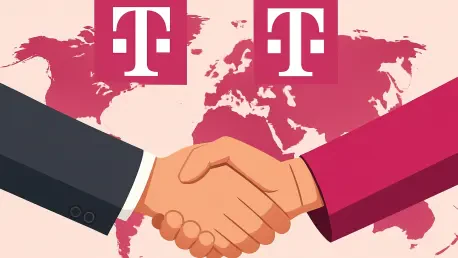

The telecommunications industry stands on the precipice of a monumental shift as Deutsche Telekom evaluates the prospect of a full-scale integration with its American powerhouse, T-Mobile US. This potential unification would essentially create the world’s largest wireless operator by market capitalization, potentially eclipsing the valuation of long-standing leaders like China Mobile. Currently, the German carrier maintains a solid 53 percent controlling stake in its United States subsidiary, but the proposed plan involves a more sophisticated structure. This would likely involve the creation of a new holding company designed to facilitate a comprehensive stock bid for all remaining shares of both entities. Such a maneuver would logically result in a dual listing on a major European exchange and a prominent United States stock market. This strategy reflects a broader desire to maximize shareholder value by bridging the valuation gap between European and American markets. By consolidating these assets, the organization would solidify its position as a truly global entity capable of leveraging its massive scale across multiple continents.
The Strategic Necessity for Global Consolidation
The driving force behind this ambitious merger stems from a significant disparity in market performance between the European and American telecommunications sectors. Deutsche Telekom CEO Tim Hoettges has been vocal about the reality that while the firm operates as a global heavyweight, its actual market value is predominantly fueled by the robust growth of its United States operations. He has frequently criticized the restrictive regulatory environment within the European Union, arguing that it significantly hinders the development of digital infrastructure and limits the competitiveness of local firms. Consequently, this merger is viewed as a strategic necessity to maintain a global edge against rising pressure from both American and Chinese technology giants. This movement aligns perfectly with the evolving stance of European Union officials, who have signaled a potential shift toward favoring the creation of massive “European champions.” By streamlining operations under a single global umbrella, the company could more effectively direct capital toward high-growth areas like 5G-Advanced and edge computing integration.
Navigating Political Interests and Regulatory Frameworks
Executing a transaction of this magnitude required navigating a labyrinth of political and regulatory challenges on both sides of the Atlantic. Since the German government and its state-owned lender, KfW, controlled nearly 28 percent of Deutsche Telekom, the proposal demanded substantial political backing from Berlin. Additionally, the merger had to survive intense scrutiny from regulatory bodies in Washington, particularly regarding national security and competition within the wireless market. To earn the necessary approvals, the companies committed to significant long-term investments in United States network infrastructure and the preservation of a major corporate headquarters in Germany. The leadership transition also appeared well-coordinated, as former Deutsche Telekom executive Srini Gopalan took the helm as the CEO of T-Mobile US to oversee the integration process. This consolidation ultimately redefined the global telecommunications landscape by proving that cross-border integration could overcome nationalistic economic barriers. Stakeholders recognized that future competitiveness depended on achieving a scale that transcended traditional regional boundaries.