
The pending acquisition reflects a broader trend where traditional industrial giants seek to acquire the agility of software-focused IoT startups to meet green energy goals. Announced in late September 2026, the voluntary public takeover bid by Schneider Electric for the Shelly Group marks a decisive shift in the residential energy landscape. Schneider, a global powerhouse valued at over 160 billion euros, has offered approximately 1.2 billion euros to integrate Shelly’s rapid innovation cycle into its expansive industrial portfolio. This deal, supported by Shelly’s original founders, is not merely a financial consolidation but a strategic attempt to capture the growing “prosumer” market. With Shelly reporting a revenue increase of over 26 percent in the first half of 2026 and serving nearly seven million households, the acquisition places Schneider at the heart of millions of smart electrical panels. The move demonstrates how the industry is pivoting from simple convenience to complex, high-stakes energy management as homeowners increasingly adopt solar panels and electric vehicles.
The Foundations of the Shelly Ecosystem
Innovation through Openness: The Power of Local Control
The primary reason Shelly became a dominant force in the smart home sector is its radical commitment to an open ecosystem and local control. Unlike many traditional manufacturers that force users into a “walled garden” dependent on proprietary cloud servers, Shelly devices are designed to operate independently of an internet connection. This transparency appeals to a growing demographic of privacy-conscious users and technical enthusiasts who prioritize data sovereignty and system reliability. By allowing hardware to function on a local network, Shelly ensures that a home’s lighting, heating, and security systems remain operational even during internet outages or server downtime. This philosophy has cultivated deep trust within the community, as it removes the risk of “bricking” devices if a company decides to discontinue support for older hardware or switch to a mandatory subscription model.
Furthermore, the technical flexibility provided by Shelly’s hardware serves as the connective tissue for sophisticated automation setups. The devices support advanced communication protocols such as MQTT and offer comprehensive local APIs, making them the preferred choice for integration with platforms like Home Assistant. This interoperability allows users to create custom scripts and complex automation routines that bridge the gap between disparate appliances and third-party software. In an era where many smart home brands are becoming more restrictive to protect their service revenue, Shelly’s dedication to being an “open” component has made it indispensable. This approach does not just serve hobbyists; it provides a stable and versatile foundation for professional installers who need to build custom, reliable solutions for high-end residential projects that require more than off-the-shelf simplicity.
Community Engagement: Strengthening the Developer Network
The relationship between Shelly and the global developer community has been a cornerstone of its rapid market expansion. By actively participating in open-source programs and maintaining a transparent technical roadmap, the company has effectively crowdsourced a portion of its research and development. Developers and DIY enthusiasts frequently contribute to the ecosystem by creating custom drivers and finding innovative ways to use small relays in unconventional settings. This symbiotic relationship ensures that Shelly hardware is always at the cutting edge of what is possible in home automation, often supporting new standards and features long before larger corporate competitors. The brand has successfully transitioned from a niche hobbyist tool into a mainstream solution by leveraging this grassroots support to validate its products in the most demanding technical environments.
Beyond the digital community, Shelly has built an impressive physical network of over 8,600 professional installers who rely on its hardware for residential and commercial projects. These professionals value the ease of installation and the ability to fit Shelly’s micromodules into standard electrical boxes without requiring extensive rewiring. This practical design, combined with robust software support, has allowed the brand to scale far beyond its initial enthusiast base. Schneider Electric’s acquisition is a clear recognition of this dual-layered success. By bringing Shelly’s agile development culture under its wing, Schneider gains immediate access to a thriving ecosystem of innovators and a professional workforce that is already comfortable with decentralized, intelligent power management. This integration is expected to accelerate the deployment of smart energy solutions across a much broader demographic than previously possible.
Strategic Synergies and Market Impact
Energy Management: Navigating the Green Transition
The strategic logic behind this billion-euro deal is rooted in the urgent global transition toward decentralized and sustainable energy. As households move toward becoming “prosumers”—both producing and consuming electricity—the need for granular, real-time data becomes paramount. Shelly has already established itself as an industry standard for monitoring domestic solar storage and grid interactions. Devices like the Pro 3EM energy meter are critical components in modern solar installations, allowing battery systems from various manufacturers to communicate seamlessly with the home’s electrical infrastructure. Schneider Electric recognizes that the future of the smart home is not just about turning on lights with a voice command; it is about the intelligent optimization of every watt of energy to reduce costs and carbon footprints.
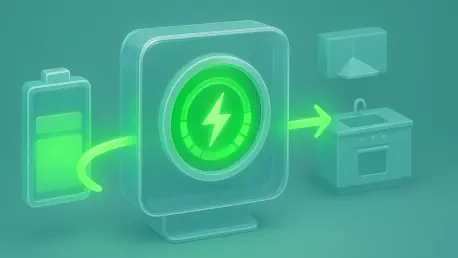
Moreover, the integration of Shelly’s software scripting capabilities with Schneider’s industrial-grade hardware provides a powerful tool for managing the high loads associated with electric vehicle charging and heat pumps. As dynamic electricity pricing becomes more common in 2026 and beyond, homes must be able to automatically shift consumption to off-peak hours. Shelly’s technology provides the “brain” required for these complex decisions, measuring surplus energy and directing it to the right appliances at the right time. By combining this technical agility with Schneider’s extensive experience in large-scale electrical infrastructure, the merger creates a comprehensive platform for residential energy efficiency. This synergy allows for a level of coordination between the utility grid and the individual household that was previously only available to large industrial facilities.
Global Scalability: Enhancing Reliability and Reach
While Shelly has excelled as a technical disruptor, the acquisition by Schneider Electric provides the massive global distribution network necessary to reach the next level of market penetration. Schneider’s established relationships with wholesale distributors and large-scale construction firms will allow Shelly technology to be integrated directly into new housing developments at the design phase. This shift moves smart home technology from a “post-purchase” upgrade to a fundamental component of a building’s electrical system. For the consumer, this means that sophisticated energy management will come pre-installed and certified by one of the most trusted names in the electrical industry. The deal effectively bridges the gap between the flexible, experimental world of IoT startups and the rigorous, safety-oriented world of traditional electrical engineering.
In addition to distribution, Schneider’s involvement is expected to elevate the hardware standards and certification processes for Shelly’s product line. While the Bulgarian innovator has maintained high quality, the backing of a multinational giant ensures that future devices will meet the most stringent international safety regulations and industrial benchmarks. This will be particularly important as smart devices are integrated deeper into the main electrical panels of homes, where reliability is a matter of safety rather than just convenience. The partnership also provides Shelly with the capital necessary to explore new hardware categories, such as advanced power quality monitoring and integrated circuit protection. By refining the hardware while preserving the software flexibility that made the brand famous, Schneider aims to create a gold standard for the modern, interconnected electrical ecosystem.
Strategic Directions for Integrated Energy Systems
The acquisition of Shelly Group by Schneider Electric marked a transformative moment for the smart home industry, signaling that the era of isolated gadgets had ended. By merging the agile, open-source spirit of a startup with the industrial scale of a global leader, the deal provided a blueprint for how legacy companies could adapt to a rapidly changing technological landscape. Looking forward, the success of such integrations will depend on maintaining a balance between corporate stability and the creative freedom of developer communities. Homeowners and professional installers alike should expect a significant increase in the interoperability of energy-saving technologies, as the focus shifts toward holistic systems that manage production, storage, and consumption in unison. The most effective path forward involves embracing open standards that allow for local control while utilizing the global reach of major corporations to ensure safety and widespread availability. This approach not only empowers the individual prosumer but also contributes to a more resilient and efficient electrical grid for the entire community.