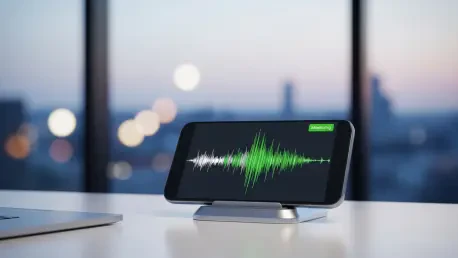

For millions of individuals living within active tectonic zones, the smartphone tucked away in a pocket or resting on a nightstand has evolved into a sophisticated life-saving tool that operates silently in the background. This transformation relies on the integration of tiny accelerometers originally designed to detect screen orientation or step counts. By repurposing these miniature sensors, the Android Earthquake Alerts System effectively creates the largest seismic detection network in existence. When a phone remains stationary and plugged into a power source, it monitors for vibrations that indicate the initial arrival of primary seismic waves. These P-waves travel faster than the more destructive secondary waves, providing a crucial window of opportunity for the system to process data and issue warnings. As multiple devices in a localized area register similar seismic signatures simultaneously, the centralized server confirms the event and broadcasts alerts to users in the path of the tremor. This approach bypasses the limitations of traditional arrays by utilizing billions of active devices already in the hands of the public.
Technical Precision: The Role of MEMS and Algorithms
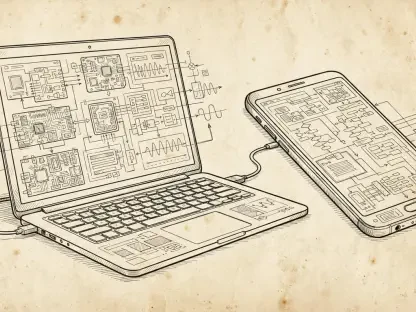
The technical foundation of this crowdsourced network resides in Micro-Electro-Mechanical Systems, commonly known as MEMS sensors, which are standard components in modern mobile hardware. These sensors are incredibly sensitive, capable of distinguishing between the mundane vibrations of a passing truck and the distinct, high-frequency oscillations of an earthquake. The system specifically looks for the P-wave, which is the first wave to radiate from an earthquake’s epicenter. While P-waves are rarely felt by humans, the digital accelerometers inside Android devices can capture these subtle movements with precision. Once a device detects such a signature, it transmits a coarse location signal to a dedicated detection server. This decentralized approach allows for real-time monitoring in regions where traditional, expensive seismic stations are sparse or non-existent. By leveraging the ubiquity of mobile technology, the network bridges the gap in disaster preparedness between various nations, ensuring that safety is not a privilege reserved for wealthy regions.
Data processing at this scale requires sophisticated algorithms to filter out noise and prevent false alarms that could lead to unnecessary panic among the public. When the central server receives signals from a cluster of phones, it instantly analyzes the speed and direction of the vibrations to verify the authenticity of the seismic event. This collective intelligence ensures that a single phone falling off a table does not trigger a city-wide alert. Only when a significant number of devices in a concentrated area report similar data points does the system initiate the broadcast phase. This verification happens in mere seconds, capitalizing on the speed of light versus the slower physical movement of the ground. Consequently, users located further from the epicenter receive a notification on their screens, often accompanied by instructions to drop, cover, and hold on. This rapid dissemination of information has proven vital in minimizing injuries during sudden geological shifts, allowing people to reach safety before the more damaging waves arrive.
Global Resilience: Integration and Future Safety
Beyond the immediate technical detection, the integration of these alerts into the broader Android ecosystem represents a significant shift in how emergency management is handled globally. In many parts of the world, traditional seismic infrastructure is either outdated or entirely absent due to the high costs associated with installation and maintenance. By utilizing existing consumer hardware, the system offers a scalable solution that supplements established governmental networks. For instance, in countries like Greece or New Zealand, this technology works alongside national seismic services to provide a redundant layer of safety. The alerts are designed to be intrusive, overriding silent modes to ensure the user is aware of the impending danger. Furthermore, the system provides immediate post-shake information, such as the magnitude and the distance from the epicenter, helping users understand the severity of the situation. This localized data helps emergency responders prioritize areas where the most intense shaking occurred.
The successful implementation of smartphone-based seismic detection redefined the relationship between consumer electronics and public safety. Developers worked to refine the sensitivity of these sensors while maintaining strict privacy standards to ensure that location data remained anonymized and secure throughout the process. Looking toward the near future, the focus shifted toward integrating these alerts with automated infrastructure systems to further mitigate disaster impacts. For example, pilot programs from 2026 to 2028 explored how seismic triggers could automatically slow down high-speed trains or shut off gas valves in industrial zones before the destructive waves arrived. Enhancing the accuracy of magnitude estimations also became a priority to reduce the occurrence of alerts for minor tremors that posed no significant risk. These advancements necessitated continued collaboration between software engineers, seismologists, and urban planners to build more resilient communities. The expansion of the network into more remote regions ensured a global reach.