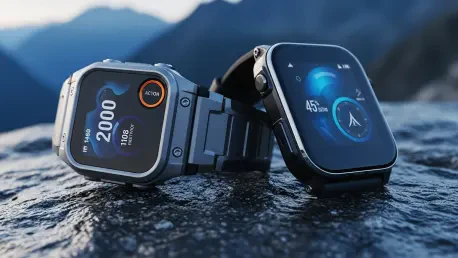

The transition from delicate luxury timepieces to titanium-clad digital powerhouses has reached its zenith as the battle for wrist supremacy intensifies between two dominant tech giants. Today, the choice between the Samsung Galaxy Watch Ultra 2 and the Apple Watch Ultra 3 represents more than a simple brand preference; it signifies an investment in a specialized ecosystem designed for high-altitude endurance and deep-water resilience. These devices are no longer mere extensions of a smartphone but are independent tools capable of navigating wilderness trails and monitoring complex physiological data in real-time. As the market matures, the distinction between a fashion accessory and a rugged survival instrument has blurred, forcing outdoor enthusiasts and professional athletes to weigh performance metrics against software reliability. This comparison delves into the nuances of hardware durability, battery longevity, and the encroaching influence of artificial intelligence in the wearable space.
Market Availability and Pricing
The Samsung Galaxy Watch Ultra 2 has entered the market with a clear objective to democratize high-end rugged technology without sacrificing the premium feel expected by enthusiasts. Priced at £649, this device undercuts its primary competitor, making it an attractive option for those who require military-grade durability but are wary of the escalating costs of flagship electronics. This pricing strategy reflects a broader trend where Samsung attempts to capture the mid-to-high-tier segment by offering similar hardware specifications at a more accessible entry point. The launch phase for the Samsung model involves a phased rollout, allowing the company to manage supply chains effectively while building anticipation among consumers who are transitioning from older wearable generations. By positioning the watch at this specific price, Samsung effectively targets a demographic that values technical sophistication alongside financial sensibility in an increasingly crowded marketplace.
In contrast, the Apple Watch Ultra 3 continues to occupy the absolute top tier of the wearable market with a starting price of £749, emphasizing its status as a luxury performance tool. This price point reflects not only the physical components but also the extensive research and development that Apple pours into its proprietary sensors and ecosystem integration. Currently, the device is widely available for purchase, reflecting Apple’s robust distribution network and its ability to meet high demand immediately following a product announcement. The premium cost is often justified by consumers through the lens of long-term value, as the brand’s history of consistent software support ensures that the hardware remains relevant for several years. While the higher price may deter some, it serves to reinforce the image of the Ultra 3 as an aspirational product for professional athletes and serious adventurers who view their gear as a critical investment in their performance and safety.
Ecosystem Constraints and Compatibility
The restrictive nature of the Apple ecosystem remains one of the most significant factors for potential buyers to consider before committing to the Ultra 3. This device is engineered exclusively for iPhone users, creating a closed environment that ensures a seamless connection but leaves Android users entirely without a viable path for integration. This strategy of a “walled garden” allows Apple to maintain tight control over data privacy and feature synchronization, but it also forces a total commitment to their hardware suite. For individuals who rely on multiple operating systems or prefer the flexibility of cross-platform compatibility, this limitation can be a deal-breaker regardless of the watch’s technical prowess. The seamless handover between an iPhone and an Apple Watch is arguably the best in the industry, yet it necessitates an ongoing loyalty to a single brand that some consumers find increasingly restrictive in a world of diverse digital choices.
Samsung has adopted a somewhat similar philosophy with the Galaxy Watch Ultra 2, though it technically remains more open than its rival by allowing basic connectivity with most Android devices. However, the full potential of the watch is only realized when it is paired with a Samsung Galaxy smartphone, as several vital health and fitness metrics are locked behind this specific hardware requirement. Advanced features like electrocardiogram readings and blood pressure monitoring often necessitate the use of the Samsung Health Monitor app, which is exclusive to the company’s own app store. This approach creates a tiered experience where non-Samsung Android users are essentially paying for a flagship device but receiving a subset of its capabilities. Consequently, while the watch is technically compatible with a broader range of phones than the Apple variant, the practical reality is that it still strongly encourages users to remain within the Samsung ecosystem for a complete experience.
Hardware Performance and Endurance
Under the chassis, the Samsung Galaxy Watch Ultra 2 utilizes the Snapdragon Wear Elite chip, a processor designed to handle the rigorous demands of modern health tracking and background processing. This hardware choice ensures that the user interface remains fluid and responsive, even when the device is executing multiple complex tasks during an intense workout session. A significant advantage of this processing power is the native support for Google’s Gemini AI, which allows users to interact with the watch using natural language for tasks ranging from route planning to summarizing fitness data. The inclusion of such a capable chip means that the device can process a vast amount of sensor data locally, reducing the reliance on a connected phone for immediate feedback. This level of performance is essential for a rugged watch, as any lag or system instability during an outdoor excursion could compromise the utility of the device when it is needed most.
Apple counters this with the S10 silicon, which is specifically optimized to balance high performance with the energy efficiency required for a multi-day wearable device. This chip provides the foundational power for the Ultra 3’s sophisticated display animations and its ability to process intricate health algorithms without significant battery drain. The device is officially rated for 42 hours of typical use, but the inclusion of an enhanced Low Power Mode can extend this duration to an impressive 72 hours for long-distance activities. While Samsung claims a longer peak battery life of 60 hours with the always-on display active, real-world testing often shows that Apple’s power management is more predictable under stress. The ability of the Ultra 3 to maintain consistent performance even as the battery depletes is a testament to the deep integration between the S10 chip and the watchOS architecture, providing a reliable experience for users who venture far from power outlets.
Artificial Intelligence and Integration
The integration of generative artificial intelligence has become the new benchmark for excellence in the wearable sector, and Samsung currently leads this charge with Gemini. By allowing for conversational interactions, the Galaxy Watch Ultra 2 transforms from a passive data collector into an active assistant that can brainstorm workout routines or provide contextual advice based on historical performance. This immediate AI presence provides a tangible benefit for users who want to maximize their training efficiency through intelligent insights rather than just raw numbers. However, Apple is preparing to respond with its own “Apple Intelligence” framework, which aims to revitalize Siri and provide a more intuitive user experience across the watchOS platform. This upcoming shift suggests that the gap in AI capabilities will likely narrow, as both companies race to provide a more personalized and proactive digital companion that understands the specific needs and environments of the wearer.
The evaluation of these two rugged titans revealed that the choice ultimately depended on which ecosystem a user inhabited and what specific trade-offs they were willing to accept. Samsung provided a more affordable entry point and immediate access to advanced generative AI through Gemini, which proved beneficial for those seeking a highly interactive and conversational assistant. On the other hand, the Apple Watch Ultra 3 maintained its position as the gold standard for hardware-software cohesion and reliable battery management during extended use cases. Prospective buyers were advised to audit their existing smartphone hardware before making a final decision, as the inherent limitations of each brand’s walled garden remained the primary obstacle to a flexible user experience. Ultimately, the market favored those who prioritized specialized performance metrics over general-purpose utility, ensuring that both devices found their niche among dedicated professionals and outdoor enthusiasts alike.