
Internal accessibility remains a priority in the latest ROG lineup, featuring tool-free access and dual M.2 SSD slots to ensure users can easily upgrade storage as their needs grow. This design philosophy signals a broader shift in the portable gaming landscape, where the distinction between stationary desktops and mobile machines has become increasingly blurred. In the current market, sophisticated engineering allows for a level of performance that was once considered impossible within the thermal constraints of a laptop chassis. The integration of high-density silicon and advanced cooling solutions has transformed these devices into versatile hubs capable of handling intensive computational loads, from real-time ray tracing in modern gaming titles to complex 3D rendering for professional content creation. By harmonizing the interaction between the processor, graphics unit, and thermal management systems, the Republic of Gamers has established a new benchmark for what enthusiasts should expect from high-end portable computing in the mid-decades.
The Pinnacle of Mobile Hardware
Desktop Replacement: Engineering the SCAR 18
For those who demand the absolute maximum in raw computing power, the ROG Strix SCAR 18 serves as the definitive alternative to a traditional desktop tower. This machine is built around the Intel Core Ultra 9 290HX Plus and the flagship Nvidia GeForce RTX 5090 GPU, a combination that effectively eliminates the performance gap often found in mobile form factors. The engineering team prioritized power delivery, allowing the processor to draw up to 200W while the graphics card operates at a 175W TGP. This significant headroom is necessary for maintaining high frame rates at 4K resolution and ensuring that the system can sustain peak performance during prolonged rendering sessions. By utilizing the Blackwell architecture, the SCAR 18 leverages specialized hardware for AI-driven tasks, making it a formidable tool for both competitive gaming and industrial-grade creative work. The sheer volume of data processed by these components necessitates a robust internal architecture that can handle high electrical throughput without compromising the stability of the system over years of intensive use.
Visual Fidelity: The Nebula HDR Standard
Beyond raw internal specifications, the visual experience on the flagship SCAR 18 is defined by its 18-inch Nebula HDR panel, which utilizes cutting-edge Mini LED technology to achieve professional-grade results. This display features over 2,000 individual dimming zones, allowing for deep blacks and vibrant highlights that meet the requirements of modern HDR content. With a 240Hz refresh rate and studio-grade color accuracy, the panel is as well-suited for color grading and video production as it is for high-speed gaming. To further future-proof the device, the inclusion of Thunderbolt 5 provides three times the bandwidth compared to previous generations, facilitating massive data transfers and the connection of complex multi-monitor setups. This expansion of input and output capabilities ensures that the laptop remains the center of a sophisticated workstation, capable of evolving alongside the user’s needs from 2026 to 2028 and beyond. The combination of high-resolution output and extreme bandwidth makes the SCAR 18 a central pillar for those who refuse to settle for anything less than the pinnacle of mobile visual technology.
Innovation in Design and Form Factor
Multi-Screen Productivity: The Zephyrus Duo Workflow
The ROG Zephyrus Duo represents a departure from conventional laptop design by integrating two high-resolution 3K OLED displays into a single mobile chassis. This unique configuration is engineered specifically for power users, such as streamers and video editors, who require simultaneous access to multiple windows without the need for an external monitor. The secondary screen, positioned above the keyboard, provides a dedicated space for chat windows, editing timelines, or system monitoring tools, effectively doubling the usable digital real estate. Under the hood, the Duo is no less impressive than its single-screen counterparts, housing an RTX 5090 with 24GB of GDDR7 memory. To manage the heat generated by such powerful components in a specialized form factor, the device utilizes a sophisticated vapor chamber and a unique airflow intake mechanism that lifts the secondary screen to reveal additional cooling vents. This synergy of form and function allows the Zephyrus Duo to maintain its status as a performance titan while offering a level of multitasking efficiency that remains unmatched in the portable market.
Elite Portability: The Zephyrus G16 Aesthetic
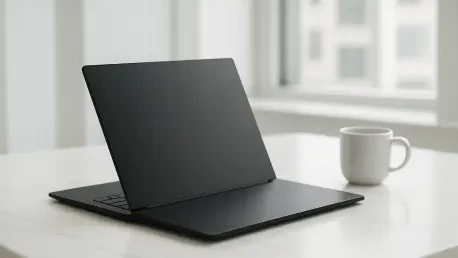
In contrast to the larger desktop replacements, the ROG Zephyrus G16 targets the mobile professional who requires a balance between high-end power and a sophisticated, understated aesthetic. Measuring only 0.70 inches in thickness, this “stealth” gaming machine is designed to fit seamlessly into a boardroom or a coffee shop while still packing an Intel Core Ultra 9 and an RTX 5080. A standout feature of this model is the dedicated Neural Processing Unit (NPU), which is designed to accelerate AI-based workloads such as background noise cancellation, video blurring, and local generative tasks. This focus on intelligence reflects a broader trend in computing where efficiency is gained through smart software optimization as much as raw clock speeds. The 2.5K OLED display ensures that visual clarity is never sacrificed for the sake of thinness, providing the high contrast and color depth required for professional creative work. By blending elite portability with high-end internal components, the G16 serves as a versatile tool for those who move frequently between different working environments and require a reliable, lightweight workstation.
Strategic Mid-Range and Entry-Level Options
Balanced Performance: The Strix G16 G614
The ROG Strix G16 G614 is positioned as the versatile mid-range option, offering a strategic balance between premium features and a more accessible price point for the average enthusiast. This model utilizes the AMD Ryzen 9 8940HX processor alongside an RTX 5070 graphics card, leveraging the latest advancements in AI-driven frame generation through DLSS 4.5. One of the most critical components for gaming performance in this model is the inclusion of a MUX switch with Advanced Optimus. This hardware feature allows the system to route the display signal directly from the dedicated GPU to the screen, bypassing the integrated graphics and providing a significant boost in frame rates and reduced latency during gameplay. The thermal architecture is also highly developed, featuring a tri-fan system that ensures the laptop remains cool even under heavy loads. This combination of AMD’s high-efficiency processing and Nvidia’s Blackwell architecture makes the G614 an ideal candidate for gamers who want a high-tier experience without moving into the extreme flagship price brackets, offering a reliable path for upgrades through 2027 and 2028.
Gateway to Gaming: The Base Strix Model
For users who are looking for a reliable entry point into the Republic of Gamers ecosystem, the base ROG Strix G16 provides a robust foundation without sacrificing the core technological innovations of the brand. Equipped with an Intel Core i7 and an RTX 5050, this model is specifically tailored for competitive eSports at 1080p, where high refresh rates and consistent performance are more important than extreme 4K resolution. Despite its entry-level positioning, the laptop retains high-quality build materials and the same advanced cooling solutions found in more expensive models, such as liquid metal thermal compounds and a 165Hz high-refresh display. This ensures that even at a lower price point, the hardware remains durable and capable of handling modern software requirements. The tool-free access for memory and storage upgrades is particularly valuable here, allowing budget-conscious users to start with a base configuration and gradually expand their system as their requirements grow or as their budget permits in the coming years. This commitment to accessibility ensures that the latest technological advancements are available to a wider audience of gamers and creators.
Fundamental Shifts in Engineering Philosophy
Thermal Management: Sustaining High Clock Speeds
A comprehensive examination of the current lineup reveals that thermal management has become the primary enabler of modern hardware performance. Across all segments, from the entry-level to the flagship, the use of liquid metal thermal interface materials and expansive vapor chambers has become standard. These technologies are essential for managing the heat generated by the high-wattage components required for the next generation of software. The transition from traditional heat pipes to vapor chambers allows for more efficient heat spreading across a larger surface area, preventing thermal throttling and allowing the CPU and GPU to maintain their maximum boost clocks for longer periods. Additionally, the implementation of a tri-fan cooling system in the 16-inch and 18-inch models demonstrates a commitment to airflow optimization, ensuring that heat is exhausted quickly and quietly. This focus on cooling is not just about performance; it also impacts the longevity of the internal components, as lower operating temperatures significantly reduce the wear and tear on sensitive silicon over several years of operation.
Longevity and Intelligence: The Future of Upgradeability
The integration of AI through NPUs and software suites like DLSS 4.5 indicates that future performance gains will be driven by intelligent software as much as raw hardware specifications. ASUS has prioritized this transition by ensuring that its hardware is ready for the shift toward AI-accelerated workflows, whether in gaming or professional productivity. Furthermore, the brand’s emphasis on user-serviceable designs represents a strategic move toward sustainability and longevity. By offering multiple expansion slots and easy access to internal components, these laptops are designed to resist obsolescence, allowing users to keep their machines relevant as software demands increase. This approach recognizes that a high-end laptop is a significant investment, and providing the means to maintain and upgrade that investment is crucial for building long-term user trust. As the industry moves forward, the synergy between hardware intelligence and physical durability will likely remain the most important factor in determining the value of a mobile workstation in an increasingly competitive global market.
Strategic Investment: Maximizing Hardware Longevity
The landscape of mobile computing evolved significantly as users moved toward machines that offered both extreme performance and the flexibility of easy maintenance. Successful implementations of tool-free access and robust thermal management systems provided a clear path for enthusiasts to extend the lifespan of their devices well into the late twenties. It was observed that those who prioritized systems with high TGP graphics and dedicated NPUs were better equipped to handle the rapid shift toward AI-integrated software environments. The focus shifted from merely looking at the highest initial clock speeds to evaluating how a system maintained that performance under sustained pressure. This transition allowed for a more sustainable approach to hardware ownership, where the initial purchase was seen as a foundation rather than a static tool.
Looking toward future hardware cycles, the most effective strategy for users involved choosing a chassis that balanced current power needs with anticipated storage and memory requirements. The move toward Mini LED and OLED panels also proved to be a pivotal decision for professionals who required color accuracy that could bridge the gap between different creative platforms. By investing in models that featured standardized ports like Thunderbolt 5, users ensured their connectivity remained relevant as external peripherals became more demanding. Ultimately, the most successful hardware adoptions were those that aligned specific design innovations, such as dual-screen layouts or ultra-thin form factors, with the actual daily workflows of the user, ensuring that the technology served as a genuine enhancer of productivity rather than just a collection of impressive specifications.