
The persistent struggle between high-resolution liquid crystal displays and the soothing properties of electronic paper has reached a critical tipping point in the consumer electronics sector. For a significant duration, the adoption of electronic ink was heavily constrained by its inherent physical limitations, which forced early adopters to endure a frustratingly slow refresh cycle commonly known as the black flash. This technical bottleneck relegated devices primarily to the niche of leisure reading, as any attempt to perform more complex tasks resulted in a visual experience that was both jarring and inefficient. However, the current landscape of mobile computing has seen a dramatic shift where manufacturers are now successfully engineering specialized hardware that challenges these traditional constraints. The primary objective is to deliver a high-performance ecosystem that mirrors the responsiveness of traditional tablets while preserving the unique eye comfort and energy efficiency that only electrophoretic displays can offer in a modern workspace.
Integrating Hardware Acceleration for Fluid Motion
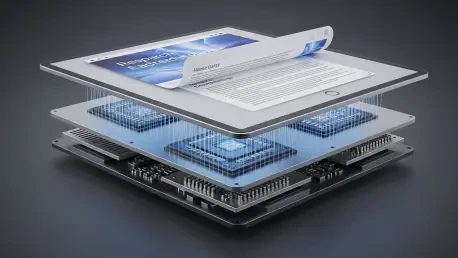
One of the most significant breakthroughs in the realm of modern electronic paper involves the transition from purely software-driven refreshes to the inclusion of dedicated graphics processing hardware. Historically, the central processor of an e-reader was tasked with every operation, from interpreting file formats to physically moving the micro-encapsulated ink particles within the screen layer. This heavy reliance on a general-purpose CPU often resulted in significant latency and an inability to handle dynamic content like smooth scrolling or cursor movement. By integrating a discrete graphics unit, contemporary devices can now offload complex image-processing tasks to specialized silicon designed specifically for speed. This architectural change allows for a much more precise control of the voltage pulses required to rearrange ink particles, enabling the display to update at speeds that were previously thought impossible for this medium. The result is a device that can keep up with the rapid pace of modern professional software.
Building on this hardware foundation, technologies like the Boox Super Refresh (BSR) system have effectively redefined what users should expect from a reflective display. This innovation utilizes advanced algorithms and hardware-level acceleration to minimize the ghosting effects—lingering remnants of previous images—that once characterized every interaction with digital ink. By carefully managing the sequence of refreshes, these systems can provide a visual experience that mimics the fluidity of a standard tablet interface. Scrolling through a long research paper or navigating a data-heavy website no longer requires the user to wait for the screen to catch up with their input. This high-speed capability is particularly essential for modern multitasking, where switching between an email client and a document editor must happen instantaneously. The development of such hardware-centric solutions proves that the limitations of electronic paper are not necessarily fixed, but rather a hurdle that can be cleared with sufficient engineering.
Reimagining Screen Texture through Nano-Level Engineering
The high-performance nature of today’s devices is not limited to the internal circuitry but extends to the physical composition of the screen surface itself. Innovative manufacturing processes now allow for nano-level etching on the protective glass layer, a technique often referred to as PaperMatte technology. This process serves a dual purpose by significantly reducing the glare from ambient light sources while simultaneously creating a microscopic texture that interacts with the stylus. When a user writes or sketches on these surfaces, the friction generated by the etched glass provides tactile feedback that closely resembles the feeling of a pen on physical paper. This engineering choice is critical for professionals who rely on digital note-taking, as it eliminates the slippery, artificial sensation associated with traditional glass screens. By focusing on the tactile dimension, manufacturers have created an interface that supports high-speed creative work without compromising the natural ergonomics of the writing process.
Furthermore, these sophisticated surface treatments are increasingly being paired with hybrid display panels to optimize the interaction between light and the digital medium. Unlike standard backlit screens that emit light directly into the user’s eyes, modern high-performance e-ink tablets leverage ambient light to increase visibility and contrast. By refining the layers between the ink particles and the external glass, engineers have managed to improve the optical clarity of the display, making text appear sharper and more defined even at smaller font sizes. This focus on how light reflects off the display ensures that the device remains usable in a variety of environments, from brightly lit offices to outdoor settings under direct sunlight. This balance of responsiveness and optical excellence is necessary for users who spend their entire workday interacting with digital documents. The shift toward these advanced materials indicates a broader trend in the industry to prioritize long-term user health and comfort alongside raw technical performance.
Benchmarking Responsiveness with Dynamic Interactive Media
To truly gauge the capabilities of this new generation of hardware, industry experts have moved away from traditional page-turn tests and toward more demanding evaluation methods like the Megaways benchmark. This particular testing protocol involves running software environments that feature hundreds of thousands of moving parts and rapid visual transitions, which would typically cause a standard e-paper screen to fail. Modern tablets equipped with the latest GPU acceleration are now demonstrating an ability to pass these tests with surprising clarity. This performance is achieved through the use of predictive rendering and intelligent image layering, which allow the screen to prioritize the most critical visual updates while maintaining a stable background. Such benchmarks prove that the technology is no longer restricted to static text but is increasingly capable of managing the chaotic visual data streams inherent in modern interactive applications and complex graphical user interfaces.
The successful navigation of these high-motion environments carries significant implications for professional productivity. If a tablet can handle the rapid frame changes and layered animations required by a stress test, it can easily manage the demands of a high-speed web browser or a complex financial spreadsheet. This indicates that the hardware has reached a level of maturity where the perceived lag of electronic paper is no longer a limiting factor for serious work. Professionals can now interact with their data in real-time, making adjustments and seeing immediate visual feedback without the frustration of delayed responses. This leap in performance effectively bridges the gap between the specialized e-reader and the general-purpose computing device. As these benchmarks become the new standard for the industry, the narrative around electronic ink is shifting from a conversation about what the screen cannot do to a discussion of how much more it can achieve in a professional context.
Analyzing the Divergent Paths of High-End Displays
The current market for high-performance e-ink devices is characterized by a strategic division between those prioritizing raw refresh speed and those focusing on visual fidelity and color accuracy. On one hand, devices like the Onyx Boox Tab Ultra C Pro are designed for users who require a tablet-like experience with maximum app compatibility and high-speed navigation. These machines often utilize advanced grayscale or filtered color layers that are optimized for responsiveness above all else. On the other hand, specialized technologies like Gallery 3 focus on providing a rich, vibrant color palette that mimics the look of printed magazine pages. While these color-focused displays may offer a superior aesthetic experience for viewing artwork or detailed charts, they often face significant trade-offs in terms of refresh speed and overall interaction latency. This diversity allows consumers to select a device that aligns perfectly with their specific professional requirements.
This segmentation of the market reflects a sophisticated understanding of user workflows in 2026. Rather than attempting to create a single device that satisfies every possible use case, manufacturers are offering tailored solutions that address specific pain points, such as visual fatigue during long coding sessions or the need for accurate color representation in architectural planning. The common thread across all these high-end options is the commitment to reducing the physiological strain caused by traditional emissive displays. By offering a variety of performance profiles, the industry has made it possible for workers to migrate their most demanding tasks to a reflective platform. This transition is not merely a technical curiosity but a practical response to the growing demand for more sustainable and health-conscious computing tools. As the distinction between a simple reader and a high-performance tablet continues to fade, the value proposition of electronic paper becomes increasingly clear for a broad range of industries.
Defining New Standards for Sustainable Professional Computing
The evolution of electronic paper into a high-performance medium represented a significant milestone in the history of personal computing. Manufacturers successfully demonstrated that the comfort of reflective displays could be maintained even when integrated with powerful graphics hardware and sophisticated operating systems. This transition allowed a wide range of professionals to move away from the constant eye strain of backlit monitors without sacrificing the speed and versatility required for their daily tasks. The industry correctly identified that the future of digital work required a more harmonious relationship between the user’s health and their productivity tools. By focusing on dedicated hardware acceleration and innovative screen materials, the technical community proved that the physical limitations of ink particles could be managed through intelligent engineering and predictive software. These developments paved the way for a more thoughtful approach to how digital information was consumed and manipulated across various professional sectors.
As the market matured, the integration of these high-speed reflective displays into common workflows became a standard expectation rather than a luxury. Organizations began to recognize the long-term benefits of providing employees with tools that minimized visual fatigue while supporting the full range of modern application requirements. The success of the 2026 hardware cycle showed that the perceived conflict between performance and eye comfort was a solvable problem. Moving forward, the focus shifted toward further refining the color accuracy and energy efficiency of these hybrid systems. The legacy of this era was the establishment of a new category of devices that prioritized human biology as much as processing power. For any professional seeking to optimize their environment, the logical next step involved assessing their specific visual needs and selecting a device that balanced refresh speed with optical clarity. This strategic shift in the electronics industry ensured that the digital workspace remained both productive and sustainable for the modern era.