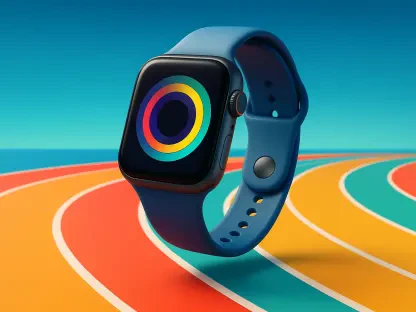

Sophisticated biometric sensors embedded within modern wrist-worn devices are no longer merely tracking fitness metrics but are now providing critical data that could revolutionize the early detection of cognitive decline and neurodegenerative diseases. As the global population continues to age, the burden on healthcare systems has intensified, driving a massive surge in the development of non-invasive monitoring tools. These devices leverage high-resolution accelerometers, heart rate variability sensors, and advanced optical modules to capture a continuous stream of physiological information. Unlike traditional clinical evaluations that provide only a snapshot in time, wearables offer a longitudinal perspective on a user’s daily habits and biological rhythms. This shift toward persistent monitoring allows for the identification of microscopic deviations in behavior that often precede visible symptoms by several years. By analyzing how individuals move, sleep, and interact with their environment, modern algorithms can now flag potential neurological concerns with increasing precision.
Biological Markers and Behavioral Tracking
Step Metrics: The Neurological Significance of Gait
Sophisticated motion sensors now allow for the high-frequency sampling of gait parameters, which have long been recognized as a window into the health of the central nervous system. In the current landscape of 2026, researchers have successfully identified specific motoric cognitive risk signatures through the analysis of stride variability and walking speed fluctuations during everyday activities. When the brain begins to undergo neurodegenerative changes, the coordination required for steady movement often falters in ways that are invisible to the naked eye. Smartwatches record these subtle tremors or imbalances by processing data through neural networks trained on thousands of clinical cases. This capability transforms a standard consumer product into a powerful diagnostic aid that operates silently in the background of a user’s life. Rather than requiring a dedicated treadmill test in a laboratory, the device evaluates performance across various terrains and conditions, providing a comprehensive assessment of motor control that correlates directly with cognitive reserve levels.
Fine Motor Skills: Detecting Micro-Tremors in Daily Activity
The detection of micro-tremors and changes in fine motor skills represents another significant leap in wearable diagnostic capabilities for neurological monitoring. Modern wrist-worn devices utilize ultra-sensitive gyroscopes to monitor the stability of the hand during routine tasks such as typing, eating, or even resting. In the progress tracked from 2026 to 2028, these subtle variations in kinetic patterns have proven to be highly sensitive markers for early-stage Parkinson’s disease and other movement-related neurological conditions. By establishing a personalized baseline for each user, the internal software can distinguish between normal aging and the onset of pathological motor decline. This level of granularity was previously impossible outside of a specialized neurology clinic, yet it is now available to the general public. As the software continues to learn from a diverse range of users, the accuracy of these assessments continues to improve, offering a reliable way to monitor the effectiveness of pharmacological treatments or physical therapies in real-time.
Clinical Utility and Future Directions
Sleep Architecture: Monitoring Rest as a Cognitive Shield
Sleep disturbances have emerged as one of the most reliable early indicators of brain aging, particularly concerning the accumulation of toxic proteins associated with memory loss. Modern wearable technology in 2026 utilizes advanced photoplethysmography and multi-channel sensors to track sleep stages with a degree of accuracy previously reserved for polysomnography. The ability to monitor slow-wave sleep and rapid eye movement cycles allows these devices to detect shifts in sleep efficiency that may signal the onset of neuroinflammation. Studies conducted in 2026 have highlighted that a persistent decrease in deep sleep duration is often linked to a reduced clearance of metabolic waste from the brain. By providing users with detailed reports on their nocturnal recovery, smartwatches facilitate a deeper understanding of how lifestyle choices influence neurological health. This automated data collection eliminates the recall bias inherent in self-reported sleep diaries, offering a more objective foundation for medical professionals to discuss preventative measures.
Strategic Outlook: Preparing for a Proactive Health Model
The adoption of wearable technology for neurocognitive monitoring represented a fundamental shift in how society approached the challenges of an aging population. Stakeholders across the medical and technological sectors prioritized the development of transparent algorithms to ensure that the insights provided were both accurate and ethically sound. Users were encouraged to engage with their data not as a source of anxiety, but as a roadmap for maintaining cognitive longevity through targeted lifestyle interventions. Early screening protocols became more accessible, allowing individuals to seek treatment during the earliest stages of decline when neuroplasticity was at its highest. It became clear that the integration of digital biomarkers into routine wellness checks reduced the overall cost of care by delaying the progression of advanced symptoms. Ultimately, the industry moved toward a model where preventative neurology was the standard, leveraging the ubiquity of smartwatches to protect brain health on a global scale. This proactive stance empowered millions to take control of their neurological future.