
The 50-meter water resistance rating makes the smart strap suitable for swimming, though it may not match the extreme depth ratings of professional dive watches. For over a decade, enthusiasts of mechanical horology have faced a frustrating dilemmthe choice between wearing a timeless heirloom or a modern health tracker. Brands like Rolex, Omega, and Tudor offer craftsmanship that smartwatches simply cannot replicate, yet the benefits of digital wellness data are increasingly hard to ignore. This conflict often leads to “double-wristing,” where a user wears a mechanical watch on one arm and a fitness band on the other. The XBAND Smart Strap, developed by Hong Kong-based Codex, aims to eliminate this compromise by concealing sophisticated technology within the strap and clasp, leaving the watch head entirely undisturbed. This approach respects the emotional and financial investment collectors place in their timepieces while acknowledging that physiological insights have become a standard requirement for the modern lifestyle. By moving the digital interface to the underside of the wrist, the system maintains the classic silhouette of a luxury sport watch while providing the biometric transparency that users have come to expect in 2026. This integration represents a major shift in how the industry views the intersection of tradition and technology, proving that heritage and data can coexist without one overshadowing the other.
Hidden Innovation: The Architecture of Discreet Sensing
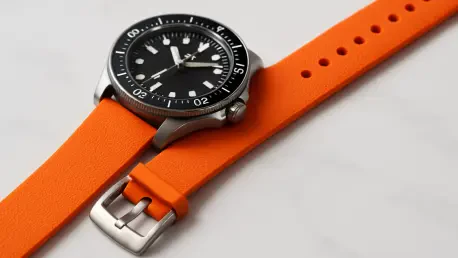
The engineering of the XBAND distinguishes itself through a “stealth” design philosophy that integrates a high-density sensor suite directly into a 316L stainless steel deployant clasp. Unlike previous attempts at smart straps that were often bulky and visually intrusive, this device maintains a slim profile that successfully mimics high-end original equipment manufacturer straps. By placing the core electronics on the underside of the wrist, the design preserves the aesthetic integrity of the mechanical watch face while providing the structural durability expected by luxury watch collectors. The choice of 316L steel is intentional, as it offers the corrosion resistance and weight necessary to balance heavier watch heads, ensuring the timepiece does not feel top-heavy during active movement. This meticulous attention to material science ensures that the hardware remains virtually invisible to the casual observer, allowing the mechanical movement to remain the undisputed center of attention. Furthermore, the placement of the sensors on the flat interior of the wrist often results in more consistent skin contact than top-mounted sensors, potentially improving the reliability of biometric readings during various physical activities.
The internal hardware is surprisingly robust for such a compact form factor, featuring a sophisticated array of components that handle data processing without requiring a massive power source. It utilizes the Goodix G###026 PPG sensor for heart rate and blood oxygen monitoring, which is the same high-performance component utilized by established global electronics leaders. These sensors are supported by a precision Bosch accelerometer for motion tracking and a Nordic processor for efficient data handling and Bluetooth connectivity. To ensure the strap is as comfortable as it is functional, the manufacturer utilized premium FKM rubber, a material known for its resistance to chemicals, temperature fluctuations, and oils. This choice ensures that the strap is not only suitable for intense gym sessions but also matches the longevity and tactile feel of the high-end timepieces it is meant to accompany. By avoiding cheaper silicones, the device avoids the common pitfalls of “tech-wear” aesthetics, instead leaning into the luxury standards of the horological world. This combination of medical-grade sensors and horological-grade materials creates a wearable that feels like a natural extension of a mechanical watch rather than a forced technological addition.
Precision Tailoring: Achieving the Perfect Integration
A major concern for watch collectors is how well an aftermarket accessory fits their specific timepiece and unique wrist geometry. To address this, the design employs a “cut-to-fit” philosophy, allowing users to trim the rubber sections to their exact wrist circumference. This customization is not merely for comfort; it ensures that the sensors remain firmly against the skin, which is essential for accurate data collection and consistent monitoring. The strap is engineered for a standard 20mm lug width, making it compatible with a vast majority of iconic models ranging from the Omega Speedmaster to the Tudor Black Bay. This standardization allows the device to serve as a versatile platform for an entire collection rather than being tied to a single watch. The secure nature of the deployant clasp, combined with the tailored fit of the rubber, creates a stable environment for the PPG sensors to function without the interference caused by the watch shifting or sliding. Consequently, the user experiences a level of personalization that is typically reserved for bespoke leather straps, but with the added benefit of modern physiological tracking capabilities integrated directly into the hardware.
The inclusion of quick-release spring pins further enhances the practicality of the device, catering to enthusiasts who enjoy changing their look frequently. This feature allows users to swap the smart module between different watches in their collection in seconds, providing a level of flexibility that is rarely found in the wearable market. While the initial kit comes with a single strap, the manufacturer offers replacement rubber in various colors such as vibrant orange, deep green, and classic white, allowing for personal styling without the need to purchase additional sensor modules. This modular approach is particularly appealing for those who want to match their watch to their attire or the specific occasion without sacrificing their health data history. By separating the expensive sensor unit from the relatively affordable rubber components, the system offers a sustainable path for long-term use. If a strap becomes worn or if a user simply wants a new aesthetic, they can replace the rubber while keeping the sophisticated electronics intact. This design choice highlights a deep understanding of the collector’s mindset, where the ability to customize and maintain equipment is just as important as the technology itself.
Beyond the Surface: Advanced Health Monitoring Capabilities
Despite its discreet and screenless appearance, the device offers a feature set that rivals dedicated fitness trackers currently dominating the market. Through its dedicated mobile application, the system provides continuous heart rate and blood oxygen monitoring, alongside advanced sleep analysis that tracks REM cycles and sleep debt. It also includes over 40 distinct sports modes to monitor steps, distance, and caloric burn, ensuring that the user does not lose out on vital activity data while wearing a traditional mechanical watch. The absence of a screen on the wrist does not mean a lack of feedback; instead, the data is transmitted via Bluetooth to a smartphone where it is processed into actionable insights. This separation of the interface from the sensor allows the user to remain present and focused, free from the constant distractions of notifications and glowing displays. For the mechanical watch enthusiast, this creates a “best of both worlds” scenario where they can enjoy the sweeping second hand of an automatic movement while their health data is silently and accurately compiled in the background for later review.
The device also ventures into more advanced metrics, such as heart rate variability to track stress levels and mood, and even provides estimated trends for blood pressure and glucose. To ensure this data is useful within a broader digital life, the software supports seamless synchronization with major platforms like Apple Health and Google Health. This allows users to consolidate their physiological information in one place, even if they occasionally switch to other devices or platforms for specific activities like professional diving or extreme sports. The ability to monitor long-term trends in heart rate variability and sleep quality provides a holistic view of recovery and readiness, which is increasingly important for individuals balancing high-pressure careers with physical fitness. By providing these complex metrics through a hidden interface, the system proves that sophisticated health monitoring does not require a bulky, futuristic aesthetic. Instead, it offers a refined way to stay informed about one’s body while maintaining a professional and classic appearance. This focus on data depth over visual flash positions the strap as a serious tool for health-conscious individuals who refuse to compromise on their personal style or horological preferences.
Strategic Utility: Redefining the Wearable Niche
The system does not attempt to compete with full-featured smartwatches; it lacks a screen, haptic notifications, and built-in GPS. Instead, it positions itself as a “silent partner” for the traditional watch, competing more directly with screenless trackers such as smart rings or chest straps. Compared to a ring-based tracker, this strap offers a familiar form factor for those who find rings uncomfortable during manual labor, weightlifting, or other activities where finger jewelry might be a hindrance. It also avoids the “wrist clutter” associated with wearing a separate fitness band, providing a streamlined, single-device appearance that looks perfectly natural in a boardroom or at a formal event. The focus on a singular task—biometric tracking—allows the hardware to be optimized for accuracy and comfort rather than trying to act as a secondary smartphone. This strategic narrowness is its greatest strength, as it appeals specifically to a demographic that values the mechanical nature of their primary timepiece but still desires the benefits of the digital age. By staying out of the way, the technology enhances the experience of wearing a luxury watch rather than competing for the user’s attention.
Battery life is another area where the hardware excels, offering seven days of continuous usage on a single 1.5-hour charge. This longevity is crucial for a device intended to be worn around the clock for comprehensive sleep and recovery tracking, as frequent charging cycles are often the primary reason users abandon wearable technology. By focusing on a specific niche—the mechanical watch enthusiast—the design avoids the pitfalls of over-engineering, instead perfecting a hidden interface that respects the user’s established habits. The device provides a solution for the modern professional who wants to track their cardiovascular health and sleep hygiene without looking like they are constantly tethered to their digital notifications. It acknowledges that the primary purpose of a watch for many people is no longer just telling the time, but expressing personality and appreciating mechanical art. By tucking the technology into the clasp, the brand has created a product that feels like a natural evolution of the watch strap rather than a disruptive piece of consumer electronics. This approach ensures that the mechanical watch remains the hero of the story, supported by a silent, invisible layer of intelligence.
Practical Realities: Navigating Adoption and Long-term Value
While the concept is undeniably innovative, there were several factors that potential early adopters had to navigate as they integrated this technology into their daily routines. The 20mm lug width, while incredibly common among popular brands, did exclude owners of watches with 18mm or 22mm measurements, creating a specific boundary for the initial market reach. Furthermore, the early software experience and data privacy protocols required intense scrutiny as the product matured, ensuring that the sensitive biometric information remained secure in an increasingly connected world. Users found that the initial setup required a bit of patience, particularly during the cut-to-fit process where a single mistake could lead to a strap that was too tight for comfort. However, the brand addressed these concerns by providing clear instructional guides and offering replacement rubber components for those who needed a second attempt. As the ecosystem grew between 2026 and 2028, the refinement of the mobile application became a priority, with updates focusing on faster synchronization and more intuitive data visualization for the end user.
Ultimately, the implementation of the XBAND Smart Strap represented a sophisticated bridge between the tradition of horology and the necessity of modern health tracking. It recognized that for many, a watch was a piece of jewelry and a personal statement that should not have been replaced by a piece of disposable consumer electronics. By moving the digital intelligence to the clasp, the developers provided a path for enthusiasts to enjoy the timeless elegance of a mechanical movement alongside the actionable insights of modern wellness tracking. Collectors who once struggled with the choice of which device to wear found that they could finally maintain their aesthetic standards without sacrificing their health goals. The success of this hidden technology proved that the future of wearables did not always have to be more screens or louder notifications; sometimes, the most effective innovation was the one that stayed out of sight. This transition allowed the mechanical watch industry to remain relevant in a data-driven world, securing the place of traditional timepieces on the wrists of a new, health-conscious generation. Moving forward, the lessons learned from this integration suggested that the most successful “smart” products were those that respected the legacy of the “dumb” products they sought to enhance.