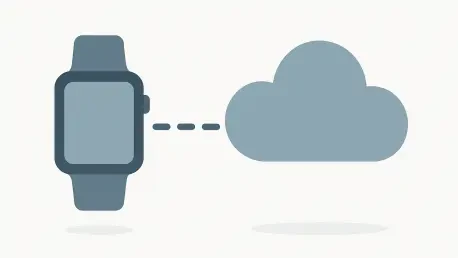

A systemic outage confirmed by Google’s official status dashboard rendered specific Health Coach features like data summaries and user queries entirely non-functional. For millions of users who rely on their wearable technology to track vital signs and daily activity, this unexpected interruption turned high-tech monitoring tools into basic wrist accessories. The disruption began early Tuesday, causing a significant backlog in data processing that prevented the synchronization of information between Fitbit hardware and the primary Google Health servers. This event highlights the growing dependency on cloud-based artificial intelligence for personal wellness management, as the Health Coach feature was among the most heavily affected components. Users reported seeing empty dashboard screens and persistent error messages when attempting to refresh their latest metrics, indicating a deep-seated failure in the server-side architecture that supports the broader ecosystem of Google’s wearable devices.
Technical Breakdowns in Cloud Synchronization
The technical root of the disturbance appeared to be centered on the API handshake protocols that facilitate communication between the Fitbit app and Google’s centralized data warehouses. While local hardware like the Pixel Watch remained capable of recording biometric data such as heart rate and blood oxygen levels, the software was unable to upload this information for deeper analysis. This breakdown created a massive bottleneck, as the automated algorithms used for generating weekly health reports could not access the necessary raw data streams. Engineers identified that the failure specifically targeted the authentication layer, which ensures that sensitive health data is securely transmitted and verified. Consequently, even though the devices were physically functioning, the digital ecosystem surrounding them was effectively paralyzed. This incident serves as a reminder of how fragile health monitoring systems can be when they rely on a single point of failure.
User frustration mounted as the duration of the outage extended into several hours, impacting those who use their devices for critical health monitoring rather than just casual step counting. Many individuals who participate in corporate wellness programs or supervised medical fitness regimes found themselves unable to provide the necessary compliance data to their respective platforms. The loss of real-time feedback loops significantly diminished the value proposition of the Pixel Watch, which had been marketed heavily for its proactive health coaching capabilities. Furthermore, the lack of communication during the initial phases of the outage led to a wave of troubleshooting attempts by consumers, including factory resets and unlinking accounts, which in some cases resulted in the permanent loss of local data. This situation underscored the necessity for more robust offline modes that allow users to view analyzed data locally without needing an active connection.
Strengthening Health Data Resilience
Addressing these systemic vulnerabilities requires a shift in how technology giants manage the balance between centralized AI processing and decentralized data storage. As Google works to restore full functionality, the focus has shifted toward implementing more resilient synchronization buffers that can hold data locally for longer periods until a stable connection is re-established. The integration of advanced on-device processing power in the latest generation of wearables offers a potential solution to this problem, allowing more of the heavy lifting for health analysis to occur on the wrist rather than in the cloud. By moving away from a model that necessitates constant server pings for simple health summaries, manufacturers can provide a more consistent user experience that is shielded from temporary network failures. The industry is currently witnessing a transition toward these hybrid models, which combine the power of cloud AI with the reliability of local edge computing.
To prevent future recurrences of such widespread disruptions, stakeholders prioritized the development of transparent status communication tools and enhanced local caching mechanisms. Developers focused on refining the Health Coach architecture to ensure that basic summary functions remained operational even during partial backend outages. Users were encouraged to verify their sync settings and utilize manual export options for critical data sets to maintain personal records outside of proprietary cloud environments. This proactive approach helped rebuild trust between the technology provider and its global user base by demonstrating a commitment to data availability and system redundancy. The industry learned that while AI-driven health insights offered immense value, the foundation of these services had to remain rooted in reliable data structures. Moving forward, the implementation of cross-platform backup solutions became the standard for high-end wearables to ensure health journeys continued.