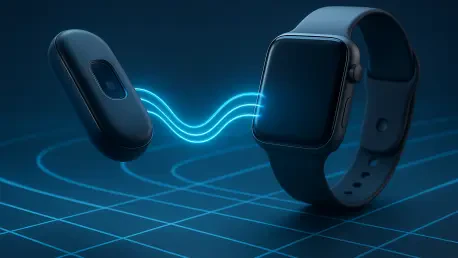

Modern athletic performance is increasingly defined by the ability to distinguish between immediate tactical needs and long-term biological training insights. As elite marathoners push against the perceived limits of human endurance, the reliance on a single data point has become a liability rather than an asset. The introduction of dual-wearable systems has revolutionized how athletes manage their energy expenditure during high-stakes competitions. By pairing a high-performance smartwatch with a specialized secondary sensor, runners can now access a granular level of data that was previously reserved for laboratory settings. This shift allows for the real-time adjustment of form and cadence, ensuring that every movement is optimized for maximum efficiency. The synergy between these devices provides a comprehensive view of the athlete’s physiological state, bridging the gap between raw physical effort and the technical precision required to shatter long-standing world records in the modern era of sports science.
Technical Precision in Dynamic Environments
Real-Time Data Synchronization: The Dual Sensor Advantage
The fundamental challenge of elite distance running often lies in the inherent limitations of GPS technology, which can struggle with signal drift or latency in dense urban environments or under heavy tree cover. To counteract these discrepancies, modern athletes utilize a secondary sensor, typically mounted on the shoe or waistband, to provide direct mechanical measurements of movement. This dual-sensor approach ensures that the data being processed is not merely an estimate based on satellite triangulation but a direct reflection of every stride taken. By integrating accelerometers and gyroscopes located closer to the center of gravity or the point of impact, the system can calculate distance and speed with a precision that exceeds traditional wrist-based methods. This level of accuracy is critical when a difference of one or two seconds per mile determines the outcome of a world-record attempt. The result is a more stable data stream that allows the athlete to maintain a perfectly consistent pace despite external environmental variables.
Biomechanical Feedback: Optimizing Stride and Form
Beyond simple distance tracking, the communication between two separate wearables creates a robust feedback loop that minimizes the data lag typically associated with standalone smartwatches. When an athlete accelerates or encounters a slight incline, a secondary pod detects the change in cadence and force immediately, transmitting this information to the wrist display in near real-time. This instantaneous feedback is essential for tactical decision-making, as it prevents the athlete from overcompensating for perceived slow-downs that might not actually be occurring. In the high-pressure environment of a professional marathon, waiting five to ten seconds for a GPS signal to update can lead to an inefficient burst of speed that depletes critical glycogen reserves. The dual-system architecture mitigates this risk by providing a constant, reliable flow of information that keeps the runner within their optimal physiological zone. This technological synergy effectively acts as a digital pacer, offering a level of stability and confidence.
Performance Legacy: Translating Data Into Victory
The integration of dual-wearable technology proved to be the decisive factor in redefining the boundaries of human potential on the global stage. By moving beyond the constraints of singular devices, teams developed a more nuanced understanding of how minute physiological changes influenced overall speed and endurance. This approach offered actionable insights that allowed for a level of micro-management previously thought impossible during active competition. Moving forward, the focus shifted toward the democratization of these high-level diagnostics, ensuring that amateur enthusiasts could also benefit from the same precision engineering that powered professional successes. The evolution of these systems suggested that the future of athletic achievement would continue to rely on the seamless marriage of human grit and sophisticated data interpretation. As the industry looked ahead, the priority remained the refinement of sensor sensitivity and the expansion of predictive modeling to further reduce the risk of overtraining.