
The annual mid-year sales cycle has transitioned from a simple inventory liquidation period into a high-stakes arena where global technology giants aggressively redefine the value of mobile hardware. Consumers who once waited until the holiday season to upgrade their devices now find that the late June window offers some of the most competitive pricing structures seen throughout the calendar year. This shift is not merely about clearing shelf space for autumn releases; it represents a fundamental change in how manufacturers like Samsung, Google, and Motorola engage with a market that has become increasingly price-sensitive. By slashing costs across every category—from entry-level handsets to luxury folding screens—these companies are effectively training the public to expect premium performance at mid-range costs. This environment creates a unique pressure on brand loyalty, as the sheer depth of discounts often encourages shoppers to experiment with ecosystems they might have previously considered too expensive or unfamiliar in the past.
Samsung: Strategic Pricing and Flagship Realignment
Samsung is currently leading the charge with significant price cuts on its flagship S26 lineup, creating unusual value gaps for savvy shoppers looking for the best hardware. For instance, higher-tier models like the Galaxy S26+ are occasionally priced lower than their standard counterparts during flash sales, allowing buyers to secure superior battery life and larger screens for less money. Even the ultra-premium S26 Ultra has become significantly more accessible, proving that even the most advanced 200MP camera systems and integrated privacy displays are subject to the heavy influence of seasonal sales. This aggressive posture suggests that Samsung is more interested in maintaining its dominant market share than preserving high margins during this specific window. By lowering the barrier to entry for its most prestigious devices, the company ensures that its proprietary ecosystem remains the default choice for those seeking a high-end Android experience without the typical four-figure investment for flagship technology.
Beyond the flashy flagships, the Korean tech giant is using this period to redefine the perceived value of its mid-range and legacy devices to capture a wider audience. The Galaxy A37 is now positioned as a long-term investment, offering premium features like IP67 water resistance and high-refresh-rate AMOLED displays at a price point that bridges the gap between budget and performance. Meanwhile, last year’s top models continue to see deep price drops, providing a high-performance alternative for those who want a professional-grade camera experience without the premium price tag associated with current-year hardware. This strategy effectively creates a tiered pricing structure where every consumer, regardless of their budget, can find a Samsung device that feels contemporary and capable. It also serves as a defensive maneuver against emerging Chinese competitors, as Samsung leverages its massive retail presence and brand recognition to dominate the sub-$400 segment through these strategic, time-limited price reductions across all retail platforms.
Foldables and Google: The Transition to Mainstream Ecosystems
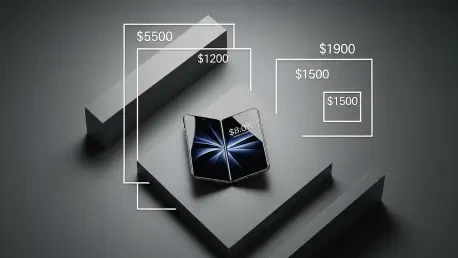
Folding smartphones have finally stepped out of the experimental phase and into the mainstream thanks to substantial price reductions that make them competitive with traditional slabs. Samsung’s Z series and Motorola’s Razr lineup are seeing discounts that bring them into the same price bracket as standard flagship phones, removing the innovation tax that previously deterred average buyers. This shift, combined with significantly thinner designs and more functional cover displays, suggests that manufacturers are successfully convincing the general public that foldables are practical daily drivers rather than fragile novelties. As these devices become more affordable, the infrastructure around them—such as optimized apps and more durable screen protectors—continues to mature, further validating the form factor. The reduction in price serves as a catalyst for adoption, allowing users to experience the benefits of a compact device that unfolds into a tablet-sized canvas without the financial risk that defined the early years of this technology.
Google is making significant waves in the industry by focusing its efforts on the Pixel 10 family, specifically targeting consumers who value photography and storage. By discounting higher storage tiers more aggressively than the base models, Google is encouraging buyers to opt for 512GB versions, recognizing that modern applications require more internal space. A critical component of Google’s current market strategy is the heavy emphasis on software longevity, particularly within its budget-friendly Pixel 10a. With the promise of seven years of security and software updates, these devices are being marketed as tools that will remain functional and secure for nearly a decade. This commitment to long-term support is becoming a major selling point, as consumers increasingly look for hardware that will not become obsolete within just a few years of purchase. During sales events, when the price of the Pixel 10a drops further, the value proposition becomes almost impossible for competitors to ignore in the current landscape.
Market Competition: Budget Dominance and Retailer Wars
While Samsung and Google fight for the premium and mid-range segments, Motorola has effectively cornered the entry-level tier with its diverse and revamped Moto G series. By offering specialized devices like the battery-focused Moto G Power and the productivity-oriented Moto G Stylus at sub-$300 prices, they provide clear choices for specific user needs. This tiered approach ensures that even the most price-sensitive buyers can find a device that feels tailor-made for their lifestyle without overspending on features they do not require. During the current sales cycle, these budget-friendly phones often see additional discounts, making them an impulse purchase for many who need a reliable secondary device or a first phone for a child. Motorola’s ability to maintain a clean software experience while providing hardware that exceeds its price point has allowed it to reclaim a significant portion of the market. This success proves that there is still a massive demand for affordable technology that does not sacrifice core quality for price.
The influence of these massive sales events now extends far beyond a single digital storefront, triggering a widespread retail war that ultimately benefits the consumer. Major players like Walmart and Best Buy have launched their own competing events, often matching or even beating the steepest discounts to capture a share of the seasonal spending. This cross-retailer competition provides shoppers with more flexibility, allowing them to choose where to buy based on exclusive member perks, extended warranties, or local pickup availability rather than just the lowest price tag. This environment forces retailers to innovate with their service offerings, such as trade-in bonuses that can make a new flagship phone nearly free with a qualifying older device. The result is a highly dynamic marketplace where the power is firmly in the hands of the buyer, who can navigate various offers to find the absolute best value. As retail giants continue to clash, the traditional boundaries of the shopping season are being erased for everyone.
Future Outlook: The Democratization of Premium Features
This intense period of discounting was ultimately responsible for driving a trend of premium democratization, where high-end features were no longer exclusive to the most expensive phones. Technologies such as 120Hz AMOLED screens, 5G connectivity, and multi-year software guarantees became standard across almost all price points during the mid-year sales. As manufacturers competed to offer the best intersection of storage and support, the gap between budget and flagship phones continued to shrink, permanently changing how consumers shopped for mobile technology. The market moved away from prioritizing raw specifications toward a focus on long-term usability and ecosystem integration. This evolution forced brands to reconsider their release cycles, as the mid-year price resets often overshadowed the traditional autumn launch window. Consequently, the industry saw a shift where the software experience and hardware durability became the primary factors in a consumer’s purchasing decision, rather than just the allure of a brand-new model name.
Consumers who successfully navigated this competitive landscape were able to secure devices that offered a level of performance previously reserved for high-end budgets. The actionable takeaway for the future was that timing a purchase around these major retail events became the most effective way to maximize a technology budget. Moving forward, buyers were encouraged to look beyond the initial price tag and evaluate the total cost of ownership, including software support and trade-in value. Manufacturers, in turn, were pushed to innovate in areas like battery longevity and repairability to keep their devices relevant in a market where consumers kept their phones longer. This period of intense competition laid the groundwork for a more sustainable and value-driven mobile industry, where the focus remained on providing the best possible experience to the widest possible audience. The lessons learned from this shift in consumer behavior provided a roadmap for how technology brands would need to operate in an era where value and longevity were the new benchmarks.