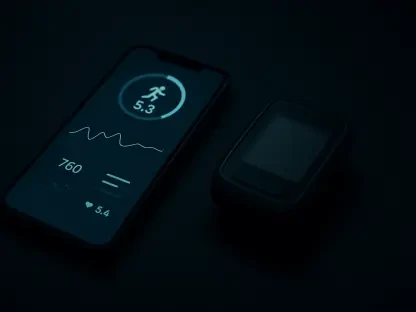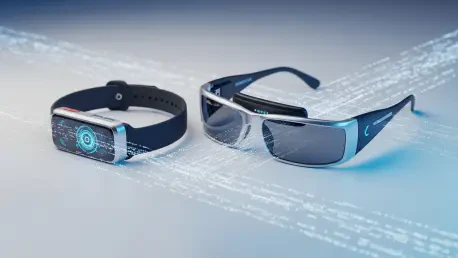

The silence of the 2026 Meta Connect stage was broken not by a voice command or a tap, but by a subtle, almost imperceptible flick of a finger that navigated a virtual interface floating in mid-air. This was the debut of Malibu 2, a device engineered to serve as the central nervous system for a new era of personal technology. As the hardware shimmered under the spotlights, it became clear that the focus had shifted away from the wrist as a mere display for notifications toward a future where the human body itself acts as the primary input for the digital world.
This device represents a significant departure from the traditional smartwatch market, moving beyond the standard fitness-tracking paradigm to serve as a sophisticated gesture-control hub for a growing augmented reality and artificial intelligence ecosystem. The importance of this launch cannot be overstated; it marks the moment when ambient computing ceases to be a laboratory concept and becomes a tangible, everyday utility. By integrating advanced neural sensors with a refined health suite, the Malibu 2 attempts to solve the fundamental friction points that have historically prevented wearable technology from reaching its full potential.
Beyond the Screen: The Dawn of Meta’s Ambient Computing Era
The strategic unveiling of the Malibu 2 at the 2026 Meta Connect conference signaled a definitive move away from the glowing glass rectangles that have dominated personal computing for decades. This launch was not merely about releasing another accessory; it was about establishing a command center that operates in the background of daily life. By prioritizing a hands-free experience, the device allows users to interact with their digital environment through intuitive movements that do not require visual attention. This transition toward ambient computing ensures that technology serves the user, rather than demanding the user’s constant focus on a screen.
Central to this new era is the concept of “wrist and face” synergy, where the Malibu 2 acts as the foundational partner to the Hypernova 2 augmented reality glasses. This unified hardware experience creates a loop of interaction that feels entirely natural. While the glasses provide the visual and auditory output, the watch handles the complex task of input and control. This partnership eliminates the need for bulky handheld controllers, allowing for a sleeker, more socially acceptable way to navigate augmented reality. The synergy between these two devices represents the first successful attempt at creating a holistic wearable ecosystem that feels like a seamless extension of the human senses.
As the industry moves past traditional fitness tracking, the Malibu 2 establishes itself as a sophisticated command center capable of managing an array of interconnected devices. It uses localized processing to handle complex gesture recognition, ensuring that the interaction is instantaneous and lag-free. This capability transforms the smartwatch from a passive observer of health data into an active participant in the user’s digital workflow. Whether adjusting smart home settings with a silent gesture or navigating a complex holographic map, the watch provides a level of control that was previously relegated to high-end desktop computers or specialized industrial equipment.
From Camera Prototypes to Neural Interfaces: The Evolution of Reality Labs
The path to the Malibu 2 was paved with the lessons learned from earlier, abandoned hardware projects that once prioritized different goals. Reality Labs initially explored a “camera-first” philosophy, with prototypes that featured detachable faces and multiple lenses intended to compete directly with smartphones. However, that approach faced significant hurdles, ranging from privacy concerns to technical limitations regarding battery life and thermal management. The realization that a camera on the wrist was often redundant led to a radical pivot toward an “input-first” architecture, which focused on the unique biological signals available at the wrist.
This transition from experimental hardware to a cohesive, health-oriented ecosystem allowed Meta to refine its focus on what truly makes a wearable indispensable. By stripping away non-essential features like wrist-mounted cameras, the engineering teams were able to maximize the surface area available for high-fidelity sensors. This shift emphasized the wrist as the most critical location for biological signal detection in the age of artificial intelligence. Unlike other parts of the body, the wrist provides clear access to the tendons and nerves that correspond to hand movements, making it the ideal site for the next generation of neural interfaces.
The evolution of Reality Labs also reflected a broader commitment to long-term research and development over short-term market trends. Instead of rushing a generic smartwatch to market, the division spent years perfecting the underlying sensor technology that distinguishes the Malibu 2 from its competitors. This patient approach resulted in a device that feels mature and purposeful rather than iterative. The current hardware pipeline is now focused on creating a sustainable platform where health data and digital input coexist, ensuring that the device remains relevant as artificial intelligence becomes more deeply integrated into the fabric of daily communication.
Decoding Surface Electromyography: The Neural Engine Powering the Wrist
The technological marvel at the heart of the Malibu 2 is the integration of surface electromyography (sEMG), a science that Meta has been refining since its acquisition of CTRL-Labs. These sEMG sensors are designed to detect the minute electrical pulses sent from the brain to the muscles in the arm. When a user intends to move a finger, motor neurons fire, creating a signal that the Malibu 2 intercepts before the movement is even fully realized. This “neural engine” allows the watch to interpret digital gestures that are nearly invisible to an outside observer, providing a level of privacy and subtlety that voice or touch controls cannot match.
Translating these complex motor neuron signals into reliable digital gestures required a massive leap in on-device machine learning. The Malibu 2 must constantly filter out electrical noise from other muscles and external sources to identify the specific intent of the user. This high-performance biometric device essentially reads the user’s motor intentions, allowing for “click,” “scroll,” and “drag” actions to be performed with simple muscle contractions. By consolidating this functionality into a standard smartwatch form factor, Meta has eliminated the need for the separate, single-purpose neural bands that were used in earlier developer kits.
Furthermore, the consolidation of these neural sensors with traditional biometric tracking creates a more comprehensive picture of the user’s physical state. The sEMG data does not just serve as an input mechanism; it also provides insights into muscle fatigue and neurological health. By combining this with heart rate and blood oxygen monitoring, the Malibu 2 becomes a powerful tool for both digital navigation and clinical-grade health observation. This integration marks a significant milestone in wearable technology, as it is the first time such sophisticated neural sensing has been made available in a mass-market consumer product.
A Symbiotic Relationship: How the Malibu 2 and Hypernova 2 Communicate
The relationship between the Malibu 2 and the Hypernova 2 glasses is a masterclass in solving the augmented reality “input problem.” Historically, interacting with AR required either hand-tracking cameras, which are battery-intensive and prone to failure in low light, or physical buttons on the frames, which are clumsy. The Malibu 2 solves this by providing a silent, neural navigation layer that works in any lighting condition. Because the sensors are on the wrist, the user can control the glasses with their hands in their pockets or resting at their sides, making the use of AR in public settings feel natural and unobtrusive.
Beyond simple navigation, this symbiotic relationship enables a sophisticated biometric feedback loop that enhances the Meta AI experience. As the Malibu 2 detects changes in the user’s heart rate or stress levels, it transmits this data to the AI assistant operating through the Hypernova 2 glasses. If the system detects that a user is becoming overwhelmed or stressed during a task, the AI can automatically adjust the density of the information shown on the display or suggest a brief pause. This level of physiological awareness allows the AI to become a proactive companion that understands the user’s internal state in real-time.
This ecosystem strategy is bolstered by Meta’s current 73% market dominance in the smart glasses category, which provides a massive, ready-made audience for the Malibu 2. By creating a device that significantly improves the experience of owning the glasses, Meta ensures a high rate of adoption within its existing user base. This dominance creates a formidable barrier for competitors, as the deep integration between the watch and the glasses is difficult to replicate without a similar multi-device footprint. The Malibu 2 is the glue that holds this ecosystem together, turning separate gadgets into a unified personal computing platform.
Navigating the Cross-Platform Landscape: Implementation and Strategies
Because Meta does not control a primary smartphone operating system, it has adopted an “agnostic” hardware approach for the Malibu 2. This strategy is essential for capturing a broad market, ensuring that the watch remains compatible with both iOS and Android devices. By focusing on cross-platform functionality, Meta avoids the “silo” effect that limits the reach of competitors like the Apple Watch. This openness is a strategic necessity, allowing the Malibu 2 to function as a universal bridge for users regardless of which phone they carry in their pockets.
However, implementing this agnostic approach involves navigating a complex landscape of third-party API restrictions and platform-specific limitations. To overcome these hurdles, Meta has developed a robust standalone software architecture that allows the Malibu 2 to handle much of its data processing and AI logic locally on the device. This reduces the dependency on the host smartphone for critical functions like gesture recognition and health analysis. By building a device that is as independent as possible, Meta ensures a consistent user experience even when operating within the restricted environments of competing mobile ecosystems.
Securing a first-mover advantage is critical as the industry shifts toward AI-integrated wearables in the coming years. By launching a functional, neural-interface-driven watch now, Meta establishes a lead that will be difficult for others to close. The company’s strategy involves building a vast library of gesture-control data and user feedback, which will be used to further refine the neural engine. This proactive approach positions Meta as the leader in the transition from mobile-centric computing to body-centric computing, setting the standard for how humans will interact with artificial intelligence in the future.
The arrival of the Malibu 2 marked a definitive shift in how the industry conceptualized human-computer interaction. It moved the conversation away from what devices could do for people and toward how devices could understand and respond to the human body. As other tech giants scrambled to catch up with their own neural interfaces, the groundwork laid by this ecosystem provided a clear blueprint for the next decade of ambient technology. The strategy focused on making the computer invisible, placing the power of the internet not in a pocket, but in the very gestures of the human hand.
Looking ahead, the next steps for this ecosystem involved expanding the neural gesture library to include more complex creative tasks, such as digital painting or three-dimensional modeling, entirely through muscle signals. Developers began exploring how to use the biometric data to create even more personalized health interventions, turning the Malibu 2 into a proactive guardian of metabolic and mental health. The ultimate goal remained the total removal of friction between human thought and digital action, a journey that began with a single watch on a stage. This transition ensured that the relationship between humanity and technology became more intuitive, personal, and ultimately, more human.