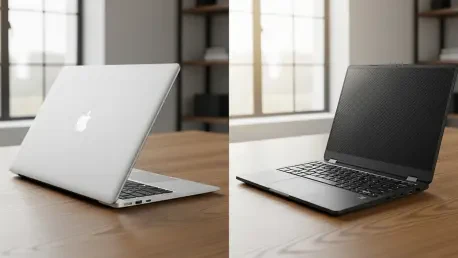

A high-end consumer laptop might catch the eye with a sleek chassis and vibrant display, yet the hidden resilience of an enterprise-grade machine often dictates the true success of a professional career over several years of rigorous use. Walking into a modern electronics retailer reveals a stark contrast between the glossy, ultra-thin consumer units designed for visual appeal and the more utilitarian, matte-finished business machines. While the consumer model often carries a more attractive initial price and a flashier exterior, the business-class device conceals its primary value beneath the surface, engineered specifically for the unrelenting demands of a professional workload.
The initial price disparity frequently leads buyers to question the logic of investing significantly more for a device that appears less modern. However, the premium associated with a business laptop covers far more than basic internal specifications; it secures a longer functional lifecycle and a higher standard of industrial quality control. Manufacturers construct these machines with the assumption that they will operate for forty hours a week or more, whereas consumer models are frequently optimized for lighter, intermittent home use or social media consumption.
Beyond the Sticker Shock: Why Some Laptops Cost Twice as Much for Half the Style
The architectural philosophy behind professional hardware focuses on endurance rather than aesthetic trends. While a consumer-grade laptop may feature a chassis that prioritizes thinness and low weight, often resulting in a flexible frame that is vulnerable to internal pressure, business laptops utilize rigid materials to prevent the motherboard from flexing during transit. This emphasis on internal protection ensures that the expensive components inside remain shielded from the micro-fractures that typically develop in cheaper machines over years of being carried in backpacks and briefcases.
Furthermore, the components selected for these higher-priced machines are often curated from “binned” parts that meet stricter stability requirements. This selective manufacturing process reduces the likelihood of system crashes and hardware failures during critical presentations or data-heavy projects. Consequently, the sticker shock associated with these devices is not a tax on the brand name but an investment in the reliability of the silicon and the structural integrity of the housing that protects it.
The Evolving Definition of Enterprise Hardware in a Hybrid Work World
The distinction between personal and professional technology blurred significantly as hybrid work models became the universal standard across global industries in the middle of this decade. In this environment, a laptop is no longer merely a tool for processing text or checking emails; it serves as a self-contained mobile office, a high-fidelity communication hub, and a hardened vault for sensitive intellectual property. This transformation has forced a re-evaluation of the enterprise label, shifting focus toward features that facilitate seamless remote collaboration and uninterrupted connectivity.
Furthermore, the internal architecture of these devices is tailored to integrate with corporate IT ecosystems, allowing for remote management and bulk updates that are impossible with consumer-grade software. This compatibility ensures that a professional can transition from a home environment to a corporate headquarters without encountering software conflicts or security vulnerabilities. As the nature of work continues to shift toward flexibility, the laptop has evolved into a critical bridge that must remain functional regardless of environmental stressors or network fluctuations.
Assessing the Core Differentiators: Structural Integrity, Security, and Processing Power
Structural integrity serves as a primary justification for the higher cost of professional hardware. While a standard consumer laptop may utilize thin plastic or lightweight aluminum to achieve a slim profile, business models often incorporate reinforced magnesium alloys or carbon fiber to ensure the chassis survives the physical stress of constant travel. This commitment to durability extends to mechanical components like the keyboard and screen hinges, which undergo rigorous stress testing for millions of cycles to prevent the sudden mechanical failures that often lead to hardware retirement.
Security architecture provides another layer of divergence, moving significantly beyond simple password protection or basic face recognition. Business-grade laptops typically feature discrete hardware-level protections, such as dedicated security chips and encrypted storage drives that remain resilient against sophisticated cyberattacks. In a high-stakes professional setting, the financial value of the hardware is secondary to the worth of the data stored within it, making these integrated defense mechanisms an essential requirement for anyone handling financial records or proprietary client information.
The Economic Reality of Downtime and Data Vulnerability
The true financial impact of a laptop purchase includes the potential costs of downtime, a variable often overlooked by budget-conscious buyers. A standard consumer laptop typically requires shipping to a distant service center for repairs, which can sideline a professional for weeks. In contrast, business-class support packages frequently include next-day on-site service or access to priority technical help desks. For a consultant or freelancer whose income depends on daily output, the loss of even three days of work can result in a financial deficit that far exceeds the initial savings found in a cheaper machine.
Moreover, the total cost of ownership generally trends lower for business units when measured over a four-year horizon. Because these machines prioritize modular design and standardized parts, it is significantly easier to replace a worn battery, upgrade the system memory, or swap a damaged screen. This inherent repairability extends the useful life of the device, preventing the frequent replacement cycles associated with disposable consumer electronics and ensuring that the initial investment continues to yield high performance long after its cheaper counterparts have reached obsolescence.
A Two-Step Verification Strategy for Your Next Laptop Investment
The decision-making process for acquiring a new device followed a logical progression that prioritized utility over immediate marketing appeal. The first step involved a comprehensive assessment of the specific demands of a daily workload, where it was determined whether the tasks required the specialized thermal management and processing stability inherent in business-grade hardware. For individuals managing high-intensity data modeling or complex video production, the professional machine was the only viable path to maintaining a consistent output without the risk of system overheating or software crashes.
The second step required a detailed investigation into manufacturer reputations and the longevity of their professional product lines. It became clear that the most successful investments were made when users looked past the label and verified the actual support infrastructure and material quality of the specific model. This strategic approach ensured that the final selection functioned as a reliable and durable tool, providing a seamless operational experience that justified the higher entry cost through years of dependable service. Professionals who adopted this framework found that the extra expense mitigated future risks, turning a hardware purchase into a strategic career asset.