
Modern consumers are increasingly rejecting the persistent intrusion of glowing screens in favor of more discreet, integrated health technologies that operate silently in the background of daily life. This shift represents a fundamental pivot in how humanity interacts with personal data, moving away from constant notifications and toward a more intuitive form of biological awareness. While the previous decade was defined by the democratization of the smartwatch, the current landscape is being reshaped by a desire for calm technology. This philosophy prioritizes the user’s mental space, ensuring that vital health metrics are gathered without demanding constant visual attention or contributing to cognitive load. Recent market data suggests that nearly forty percent of wearable users feel overwhelmed by the volume of alerts they receive, leading to a burgeoning demand for screenless solutions. As health tracking becomes more sophisticated, the focus is transitioning from mere data collection to the seamless integration of wellness into the natural rhythm of existence.
Evolution of Minimalist Monitoring
Screenless Interaction: The Death of the Notification Loop
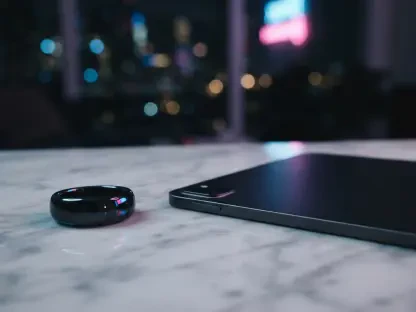
The primary allure of a screenless tracker lies in its ability to dismantle the addictive cycle of checking a wrist-worn display every time a haptic vibration occurs. By removing the visual interface entirely, the Luna Band encourages a more present state of mind, allowing users to engage with their surroundings rather than their statistics. This design choice is not merely aesthetic but is rooted in psychological research indicating that constant access to real-time health data can sometimes induce anxiety rather than alleviate it. Instead of a flickering OLED panel, the device utilizes a sophisticated array of subtle haptic patterns and an external application interface for deep-dive analysis when the user is actually ready to focus. This separation of data gathering from data consumption ensures that the device remains a tool for improvement rather than a source of distraction. The absence of a screen also allows for a more rugged and versatile form factor that can withstand environments where glass displays often fail.
Physical Architecture: Durability Meets Elegance
Beyond the psychological benefits of a minimalist interface, the physical architecture of the latest screenless devices offers significant advantages in terms of battery longevity and structural integrity. Without a power-hungry display, these trackers can operate for weeks on a single charge, providing a continuous stream of data that is often interrupted in traditional smartwatches by frequent charging cycles. This consistency is vital for building accurate long-term health profiles, especially concerning sleep patterns and cardiovascular trends over several months. The materials used in construction have also evolved, utilizing biocompatible ceramics and aerospace-grade titanium to ensure that the band is both lightweight and hypoallergenic. This focus on wear-and-forget technology means that the device becomes a part of the user’s anatomy rather than a bulky accessory. The lack of a glass screen eliminates the most common point of mechanical failure, making these devices ideal for high-intensity athletics or professional environments where traditional screens would be a liability.
Technical Sophistication and Data Synthesis
Precise Biometrics: The Role of Advanced Sensors
The internal components of modern screenless trackers have seen a dramatic increase in complexity, moving far beyond the simple step counting of the early digital era. Current models utilize multi-wavelength photoplethysmography sensors that can detect nuanced changes in blood oxygen levels and even monitor arterial stiffness in real time. These sensors are coupled with high-frequency skin temperature probes and electrodermal activity monitors that provide a holistic view of the body’s stress response. By processing these signals through localized, low-power machine learning chips, the device can identify potential health anomalies before they become symptomatic. This proactive approach to wellness represents a significant departure from reactive medicine, placing powerful diagnostic capabilities directly on the user’s wrist. Furthermore, the integration of advanced accelerometers allows for the precise tracking of non-traditional movements, such as micro-movements during sleep or specific muscle group activation during specialized training sessions.
Strategic Implementation: Transitioning to Health Intelligence
The adoption of screenless health tracking marked a significant turning point in the relationship between technology and personal well-being, fostering a more balanced digital lifestyle. Experts recommended that users began by identifying specific wellness goals that did not require immediate visual feedback, such as improving recovery times or monitoring chronic stress levels. By shifting the focus toward long-term data trends rather than minute-by-minute updates, individuals were able to gain deeper insights into their physiological needs without the burden of notification fatigue. This transition required a commitment to reviewing data within a dedicated mobile application once or twice a day, rather than habitually checking a screen. The result was a more focused approach to health that respected the user’s attention while providing high-fidelity biometric accuracy. Moving forward, the industry considered how these screenless interfaces could further integrate with ambient home environments and medical databases to create a truly invisible health safety net.