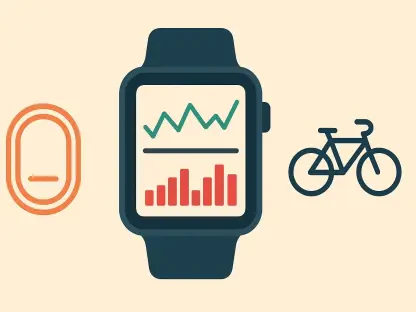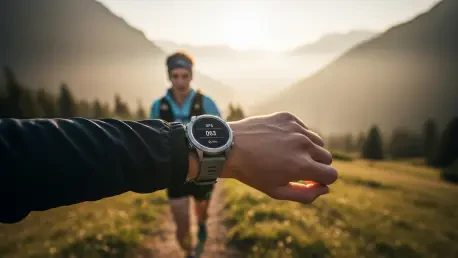

The unprecedented miniaturization of advanced electrocardiogram sensors and photoplethysmography arrays has turned the modern smartwatch into a personal health command center. These devices no longer merely count steps or track basic heart rate metrics; they have matured into comprehensive health ecosystems that prioritize proactive management over the reactive tracking methods of the past. By integrating sophisticated biometric sensors with intelligent software, smartwatches now aim to guide users toward peak physical conditioning by offering insights that were once only available through professional coaching and expensive laboratory testing. This transformation is driven by a desire for total health transparency, where the wearer is constantly informed about their metabolic state, cardiovascular health, and nervous system readiness. As these technologies continue to advance in the current year, the boundary between consumer electronics and medical-grade diagnostic tools is becoming increasingly blurred, providing a level of detail that empowers individuals to take full control of their biological outcomes.
The shift toward this new era of digital health coaching is characterized by a move away from manual user input toward total automation and intelligent movement detection. Modern wearables are designed to remove the friction of exercise logging, utilizing high-frequency accelerometers and gyroscopes to identify specific transitions in high-intensity circuit training or automatically count repetitions during a weightlifting session. This evolution ensures that the watch acts as a silent observer, capturing every movement to provide a seamless and accurate picture of a user’s daily activity levels without requiring the wearer to navigate complex menus. By automating the data collection process, these devices eliminate human error and providing a more reliable foundation for long-term health analysis. This allows users to focus entirely on their performance while the hardware handles the intricate task of documenting the physiological impact of every set and sprint performed during a session.
The Shift: Proactive Management and Recovery Science
Building on the foundation of automated tracking, the latest wearable technology places a significant emphasis on the science of recovery and systemic readiness. Modern devices utilize heart rate variability, stress analysis, and precise sleep tracing to inform users when their bodies are primed for high-intensity training or when rest is strictly required to prevent injury. This proactive approach treats the body as a dynamic system, recognizing that physical performance is heavily dependent on the quality of restoration. Features such as readiness scores allow individuals to adjust their daily goals based on real-time physiological data rather than following a rigid, pre-planned schedule. This intelligent feedback loop helps to mitigate the risks of overtraining and chronic fatigue, ensuring that exercise remains a sustainable part of a long-term wellness strategy. The integration of skin temperature sensors and respiratory rate monitoring further refines these insights, offering a holistic view of the internal environment that was previously impossible to achieve without clinical intervention.
Beyond general fitness, the industry has embraced specialized health monitoring for specific demographics, making features like menstrual cycle and ovulation tracking standard across various price points. These tools provide a more inclusive health overview by correlating hormonal fluctuations with physical performance and emotional well-being. By tracking these patterns, the technology offers personalized predictions and alerts that help users understand the underlying reasons for changes in their energy levels or strength. This specialized data is no longer treated as a niche add-on but as a core component of a comprehensive health profile. As a result, individuals can better align their physical activities with their biological cycles, optimizing both their training efficiency and their overall quality of life. The democratization of this data ensures that a wider range of users can benefit from the same level of personalized insight that was once reserved for elite athletes with access to specialized medical teams.
Tailored Solutions: From Budget Efficiency to Professional Precision
For those seeking high-intensity training tools without a high price tag, the market now offers budget-friendly models focused on interval training efficiency and core biometric accuracy. These devices prioritize minimizing downtime and are built to handle the rigors of daily workouts with high water resistance and reliable battery life that often exceeds that of more expensive counterparts. They serve as an essential entry point for enthusiasts who want access to premium metrics, such as blood oxygen monitoring and heart rate alerts, without making a massive financial investment. These entry-level models have significantly improved their sensor quality, ensuring that the gap in data integrity between low-cost and high-end devices continues to shrink. This accessibility allows a broader audience to engage with their health data, fostering a culture of wellness that is not limited by economic barriers. These watches often focus on the essentials, providing a streamlined experience that appeals to users who prefer simplicity and function over a multitude of secondary features.
At the higher end of the spectrum, professional-grade watches are incorporating advanced tools like body composition analysis and specialized cycling power calculators. These high-performance models utilize advanced processors to deliver rapid data processing, catering to outdoor enthusiasts and competitive athletes who require precision GPS and offline mapping for remote expeditions. They represent the peak of durability and technical capability, often featuring sapphire glass and titanium casings designed to withstand extreme environments. These devices act as true digital partners, offering deep-dive analytics into running dynamics, swimming stroke efficiency, and even real-time altitude acclimatization. The inclusion of offline maps and multi-band satellite connectivity ensures that professional users remain safe and informed even when they are far from cellular networks. These watches are not just tracking devices; they are specialized instruments built for those who demand the highest level of performance and reliability from their equipment in the most challenging conditions.
Digital Intelligence: The Integration of Artificial Intelligence
The integration of artificial intelligence marks the next major frontier in wearable technology, shifting the primary focus from raw data collection to actionable coaching plans. By utilizing large language models and advanced algorithms, smartwatches can now offer personalized advice through conversational interfaces and voice-controlled operations. This trend toward “smart value” means that even entry-level devices are becoming increasingly capable, offering a wealth of sports modes and health insights that were previously reserved for elite models. AI-driven coaching can analyze weeks of activity data to suggest specific modifications to a user’s routine, such as increasing protein intake or adjusting sleep schedules to improve recovery. This level of personalization transforms the watch from a simple display of numbers into a proactive mentor that understands the unique biological needs of the individual. As these algorithms become more refined, the ability of the device to predict potential health issues before they become symptomatic will likely become a cornerstone of modern preventative medicine.
Despite these rapid advancements, users must still navigate the inherent trade-offs between hardware performance and battery longevity in the current landscape. While data integrity is constantly improving, wrist-based sensors still face challenges during high-intensity movements due to factors like sweat, skin contact, and rapid arm motions. Ultimately, the true value of a modern smartwatch lies in the long-term trends it identifies rather than any single data point, allowing users to see how specific lifestyle choices affect their recovery and physical progression. By focusing on the broader narrative of their health, individuals can build a sustainable roadmap for longevity that is supported by empirical evidence. The ongoing challenge for manufacturers is to balance the power-hungry requirements of advanced AI and high-frequency sensing with the need for a device that can last multiple days on a single charge. This balance is critical for maintaining the seamless user experience that is necessary for long-term health tracking and behavioral change.
Actionable Strategies: Optimization for Long Term Vitality
Users recognized the necessity of moving beyond the immediate feedback of their devices to focus on the overarching trends of their physiological data. They learned that the most effective way to utilize a digital health coach was to correlate the watch’s suggestions with their own subjective feelings of wellness and energy. By adopting a strategy of consistent wear, individuals gathered the baseline data required for the device to provide accurate readiness scores and stress assessments. They prioritized devices that offered a balance between sensor accuracy and comfortable ergonomics, ensuring that the watch remained a permanent fixture of their daily attire. This consistency allowed the underlying algorithms to identify subtle shifts in resting heart rate or sleep architecture that often preceded the onset of illness or overtraining. Consequently, users became more adept at interpreting the nuances of their biometric signatures, leading to more informed decisions regarding their training intensity and dietary habits.
The integration of these advanced wearables into daily life necessitated a shift in how individuals approached their medical consultations and fitness planning. They brought detailed reports of their heart rate variability and sleep stages to their healthcare providers, facilitating a more data-driven conversation about their overall health status. This proactive behavior encouraged a partnership between the user and the technology, where the watch provided the evidence and the user provided the context. They sought out models that supported third-party data integration, allowing them to consolidate their nutritional intake and physical output into a single, unified platform. By doing so, they created a comprehensive record of their health journey that served as a powerful tool for maintaining motivation and achieving specific physical milestones. This systematic approach to health management moved the focus away from short-term fixes toward a lifestyle centered on continuous improvement and the optimization of long-term vitality.