
The rapid evolution of wrist-worn technology has created a consumer behavior pattern where individuals feel compelled to replace their wearable devices significantly more often than they do their primary smartphones. While the mobile phone market has reached a state of relative plateau, with users holding onto handsets for four years or longer, the smartwatch ecosystem operates on a much tighter timeline. Current industry data indicates that approximately 60% of consumers opt for an upgrade within a two-to-three-year window. This trend persists because these gadgets have transitioned from being luxury accessories to essential tools for health tracking and communication. As the integration of these devices into daily life deepens, the tolerance for performance lag or sensor inaccuracy diminishes. The perception of a smartwatch as a disposable yet vital component of a personal technology suite drives this constant cycle of renewal and replacement among diverse user groups.
Physical Demands: Why Wearable Hardware Faces Early Retirement
Smartwatches are uniquely vulnerable compared to other electronics because they are constantly exposed to the elements and the rigors of physical activity. Unlike a smartphone that often sits protected in a pocket or on a desk, a watch remains strapped to the wrist during intense workouts, exposure to rain, and varying temperatures. This constant contact with sweat, moisture, and debris eventually takes a toll on the integrity of the seals and the sensitivity of the touchscreen interface. Even the most durable sapphire glass and titanium casings cannot fully shield the internal components from the micro-vibrations and impacts that occur during daily movement. Over a period of twenty-four to thirty-six months, these external factors accumulate, leading to a noticeable degradation in the responsiveness of the device. Users often find that the mechanical buttons become less tactile or the display loses its original clarity, prompting the decision to seek out a more robust model.
Battery longevity remains the most significant hurdle for maintaining a smartwatch over a long period, primarily due to the chemical limitations of lithium-ion technology. Because these devices are small, their batteries have limited capacity and must undergo frequent charging cycles, often on a daily basis. By the time a device reaches its third year of service, the battery has typically undergone hundreds of cycles, resulting in a diminished ability to hold a charge throughout a full day of use. This issue is exacerbated by the increasing power demands of modern background processes, such as continuous heart rate monitoring and always-on display features. When a user notices that their watch requires a mid-day top-off just to survive until the evening, the utility of the wearable is compromised. This frustration serves as a primary catalyst for the upgrade cycle, as consumers prioritize the reliability of a full day of battery life over the cost of purchasing a newer, more efficient model.
Sensor Advancements: The Drive Toward Enhanced Health Tracking
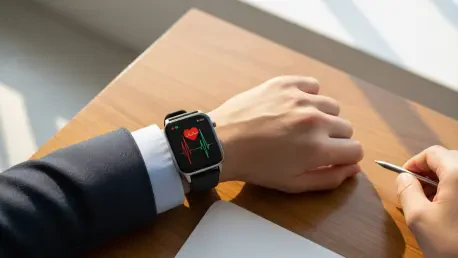
The pace of innovation in biometric sensors and artificial intelligence integration has rendered older smartwatch models obsolete at a much faster rate than other personal electronics. Between 2026 and 2028, advancements in non-invasive monitoring for metrics like blood glucose trends and advanced sleep architecture analysis have set new benchmarks for what users expect. Older hardware often lacks the processing power required to run the latest machine learning algorithms that interpret raw data into actionable health insights. Consequently, a device that was top-of-the-line three years ago may now provide less accurate readings or lack the sophisticated coaching features found in current releases. This technological gap creates a strong incentive for health-conscious individuals to upgrade, as they seek the most precise data available to manage their wellness. The shift from passive data collection to proactive health intervention makes the hardware transition feel like a necessary investment in personal well-being.
Extending the functional life of a wearable required a proactive approach to hardware maintenance and software management during its operational years. Users who successfully pushed their devices beyond the three-year mark often utilized strategies such as limiting unnecessary notifications and optimizing display brightness to preserve battery health. They also focused on regular cleaning of the sensor array to ensure that skin oils and debris did not interfere with the accuracy of biometric readings. Looking forward, the industry moved toward more modular designs and improved battery chemistry to address the sustainability concerns of frequent upgrades. Choosing a brand with a proven track record for long-term software support proved to be a critical factor in maintaining device relevance. Ultimately, the decision to upgrade was influenced by a balance between the desire for cutting-edge health features and the practical reality of hardware fatigue. These considerations ensured that users maximized their technological investments while remaining prepared.