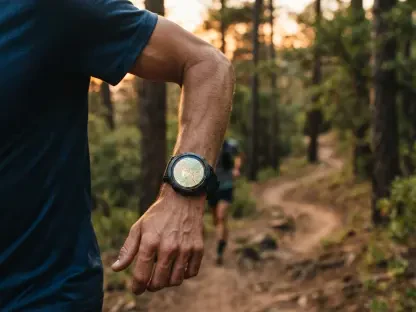

Advanced biometric data accuracy is no longer restricted to elite professionals thanks to the strategic price drops found during seasonal sales events. These promotional periods, particularly the Prime Big Deal Days, serve as a critical entry point for athletes who previously found high-end tracking technology financially out of reach. For a marathoner or a casual jogger, the acquisition of a dedicated GPS watch represents more than just a luxury purchase; it is a commitment to data-driven improvement. Garmin’s dominance in this sector stems from its ability to provide actionable insights into cardiovascular strain, recovery times, and training load. By lowering the barrier to entry, these sales allow a broader demographic to transition from basic step counting to sophisticated metrics like heart rate variability and VO2 max. This democratization means that the tools once reserved for Olympic-level training camps are now accessible on the wrists of thousands of everyday runners.
High-Value Entry Models: The Power of Simplicity
In an industry often obsessed with the latest iterative updates, many savvy runners are finding that older hardware offers the most compelling balance of price and performance. The Forerunner 55 remains a cornerstone of this movement, providing a distraction-free experience that prioritizes essential metrics like pace, distance, and heart rate without the burden of excessive features. This model is particularly valued for its exceptional battery longevity and straightforward interface, which appeals to those who want to focus on the road rather than on navigating complex menus. While newer flagship models might offer brighter screens or solar glass, the core technology in these older units remains remarkably accurate for standard training cycles. Choosing a reliable, time-tested device ensures that the runner is not paying for experimental sensors that may not yet be fully optimized. This pragmatic approach to gear selection allows athletes to focus their training on performance.
Moving slightly up the hierarchy, the Forerunner 165 represents a sophisticated middle ground that bridges the gap between basic tracking and advanced safety features. During major sales events, this model often reaches price points that make it nearly irresistible for those seeking upgraded hardware. One of the primary advantages of this specific device is its significantly faster GPS acquisition speed, which minimizes the time spent waiting at the trailhead before a workout begins. Furthermore, the inclusion of incident detection provides an essential layer of security for solo runners, automatically alerting emergency contacts if a fall is detected. This combination of lightweight design and enhanced safety functionality makes it a preferred choice for urban commuters and trail enthusiasts alike. By targeting these specific models during a price reduction, athletes gain access to a stable software ecosystem that has been refined over several years of real-world usage and updates.
Resilience and Specialization: Tools for Extreme Environments
For runners who demand extreme durability, the Instinct series has established itself as a rugged alternative to more delicate glass-faced smartwatches. Designed with a focus on durability, these devices are built to rigorous standards for thermal, shock, and water resistance. The high-contrast, monochrome display ensures readability in the harshest sunlight, while the fiber-reinforced polymer case protects internal sensors from impact during technical trail descents or mountain scrambles. Beyond its physical toughness, the Instinct provides a suite of environmental sensors, including a barometric altimeter and a digital compass, which are vital for navigation in remote areas. During seasonal sales, these units become accessible to younger athletes and outdoor professionals who need a device that can withstand significant physical abuse without failing. The presence of a built-in flashlight in newer iterations further enhances its utility, proving that function remains the priority for trail users.
When the conversation shifts to ultra-endurance and multi-day racing, the Enduro series stands out as the pinnacle of power management. The defining characteristic of this series is its advanced solar charging technology, which leverages a specialized lens to extend battery life well beyond traditional limits. For athletes participating in 100-mile races or week-long expeditions, the ability to track every kilometer without worrying about a charging cable is a significant competitive advantage. This device is not merely about staying powered; it also incorporates high-end mapping capabilities and terrain-adjusted pacing strategies that help runners manage their energy levels over vast distances. Despite its comprehensive feature set, the Enduro remains light on the wrist, utilizing titanium bezels and breathable nylon straps to ensure comfort during prolonged use. The availability of such specialized tools at discounted prices allows trail runners to invest in professional-tier equipment.
Practical Strategies: Future Performance Optimization
The strategic acquisition of these technological tools represented a major shift in how runners managed their training cycles from 2026 to 2028. By focusing on models that prioritized battery life and core metric accuracy over fleeting aesthetic trends, athletes secured long-term value that outlasted the initial excitement of the sales event. It was observed that the most successful runners were those who viewed their Garmin devices as central components of a larger biological feedback loop rather than mere digital accessories. Moving forward, the focus remained on the integration of external sensors to verify the data collected by wrist-worn hardware, as this dual-layered approach provided the most reliable foundation for competitive racing. Prospective buyers chose to ignore the pressure of annual upgrade cycles in favor of specialized tools like the Enduro or Instinct. This disciplined approach to gear selection ensured that the primary focus remained on the pursuit of personal excellence and joy.
In the coming years, the refinement of training ecosystems will likely depend on the balance between automated coaching and individual intuition. Athletes who utilized the integrated coaching programs found that the structured guidance helped mitigate the risks of overtraining, while the precision of heart rate monitoring allowed for a more nuanced understanding of physical limits. The inclusion of gender-inclusive designs, such as the HRM-Fit, ensured that high-quality biometric data was accessible to a wider demographic than ever before. This emphasis on inclusivity and accuracy bridged the gap between amateur enthusiasm and professional methodology. As technology continues to evolve, the lessons learned from these strategic investments will serve as a blueprint for future fitness acquisitions. Prioritizing hardware durability and software synergy proved to be the most effective way to foster sustainable growth in the sport. Ultimately, the integration of these tools allowed runners to navigate their training with confidence.