
Walking into a retail electronics store today feels less like a simple shopping trip and more like a high-stakes financial negotiation where the consumer holds very few of the winning cards. The gap between the price tags on the newest laptop models and the actual performance requirements of the typical professional or student has widened significantly. For the average user who spends their time in browser tabs, word processors, and video conferencing suites, the latest high-end silicon often represents an expensive surplus of power that will never be fully utilized.
Breaking away from the “new is always better” mindset is the most effective way to secure a high-performing machine without paying the heavy premium associated with current-year releases. The pre-owned and refurbished markets are currently teeming with hardware that delivers modern speed and reliability. Cutting through the marketing noise involves identifying specific hardware configurations that have aged gracefully, providing a seamless experience for a fraction of the retail cost. Finding value in the current landscape requires a shift in focus from flashy branding to functional durability and long-term utility.
Why Paying Full Price for a New PC Is a Losing Game in 2026
The retail market for personal computers has seen a steady inflation of prices that often outpaces the tangible benefits offered by the latest hardware iterations. Manufacturers frequently justify these price hikes by highlighting specialized AI processing units and ultra-thin chassis designs, yet these features rarely translate into a noticeable difference for daily productivity. For many, the substantial investment in a 2026 flagship model results in a machine that performs essentially the same tasks as a high-quality model from several years ago, but at twice the cost.
By identifying high-performing alternatives in the refurbished space, buyers can bypass the depreciation curve that hits new electronics the moment they leave the shelf. A laptop that originally retailed for fifteen hundred dollars just a few years ago can often be acquired for less than five hundred, despite retaining ninety percent of its original capabilities. This economic reality makes the secondary market the primary destination for those who value performance over the prestige of unboxing a factory-sealed device.
The Component Crisis: Why Older Hardware Is Suddenly a Smarter Investment
A significant factor driving the move toward the secondary market is the ripple effect caused by the global surge in AI data center construction. The massive demand for infrastructure to support large-scale language models and cloud computing has inflated the costs of critical components like RAM, solid-state storage, and high-performance processors. This supply-side pressure means that the internal parts found in brand-new budget laptops are often inferior to those found in mid-range or premium machines manufactured between 2019 and 2024.
This era represents a “Goldilocks Zone” for hardware, where manufacturing standards were high and components were designed for longevity. Navigating this market requires careful attention to the hardware requirements of Windows 11, particularly the technical shift that rendered 7th-generation Intel chips and older processors obsolete for primary use. By targeting machines with 8th-generation chips or newer, users ensure they remain within the official support window while benefiting from the superior build quality of older premium laptop lines.
Three Powerhouse Models That Redefine Value in the Refurbished Market
The Acer Swift X from 2022 stands out as a versatile killer deal for those who need more than just a basic office machine. It balances a lightweight, portable frame with the surprising power of a dedicated NVIDIA RTX 3050 Ti graphics card. This configuration remains highly relevant for creative tasks such as photo editing or light video work, providing a level of graphical capability that is rarely found in modern budget-tier laptops. It remains a favorite for users who want a single device that can handle both professional workflows and casual entertainment.
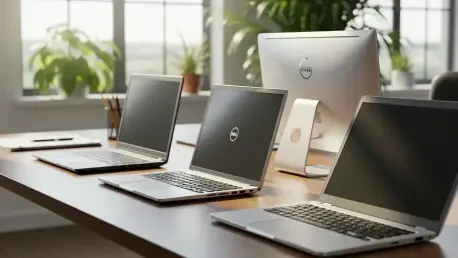
For a purely professional workhorse, the Dell Latitude 7330 remains a gold standard in the refurbished enterprise market. Often available for roughly $360, this device offers a robust build quality designed to withstand years of travel and constant use. With 16GB of RAM and a reliable 12th-generation Intel processor, it handles administrative tasks and heavy multitasking with ease. Its legacy as an enterprise machine also means that spare parts and batteries are widely available, ensuring that the laptop remains serviceable for years to come.
In the budget productivity segment, the Acemagic LX15Pro has gained a reputation for utilizing high-core-count Ryzen processors to deliver snappy performance. While it may lack the brand recognition of larger manufacturers, its use of the Ryzen 5700U allows for efficient handling of browser-heavy workflows and office suites. It provides a no-nonsense computing experience that prioritizes raw processing speed over aesthetic frills. For users who need a reliable machine for school or remote work, it offers one of the most cost-effective paths to modern performance levels.
The Plateau of Utility: Why 2022 Tech Still Competes with 2026 Releases
The mid-2020s have been characterized by a notable plateau in hardware utility, where the leap from one generation to the next has become increasingly incremental. Expert perspectives suggest that the revolutionary gains in processing power seen in previous decades have shifted toward small improvements in power efficiency and specialized tasks. For the vast majority of software applications, a well-maintained laptop from 2022 remains indistinguishable from a 2026 model in terms of responsiveness and speed.
A critical component of this plateau is the realization that 16GB of RAM has become the essential baseline for a smooth experience. Users are increasingly prioritizing memory overhead over flashy features like high-refresh-rate screens or biometric login sensors. Functional, high-utility designs often outlast luxury models because they focus on the core elements of the user experience: keyboard quality, port selection, and thermal management. This hardware advantage ensures that functional machines remain relevant long after their original release dates.
A Strategic Framework for Securing High-Performance Hardware on a Budget
The most successful buyers followed the “Post-2019” Rule, which prioritized processors that guaranteed long-term Windows 11 compatibility and security updates. This strategy focused on Intel 10th-generation chips or Ryzen 4000 series processors as the minimum threshold for a primary device. By sticking to this timeline, users avoided the performance pitfalls of older architecture while benefiting from the price drops associated with hardware that was no longer considered cutting-edge. This approach proved that technical longevity was more about choosing the right architectural generation than chasing the highest clock speeds.
Strategic investors also maximized their budgets by prioritizing models with 16GB of RAM and identifying machines with easily accessible storage bays. They recognized that upgrading a 256GB drive to a 1TB drive was a simple and cost-effective way to breathe new life into a used machine. Furthermore, navigating the secondary market involved a heavy reliance on reputable third-party sellers and official manufacturer refurbished programs. These channels provided the necessary quality guarantees and warranties that mitigated the risks typically associated with used electronics, ensuring that the hardware delivered a professional-grade experience from day one.