
The rapid evolution of the residential landscape has transformed once-static living environments into dynamic, interconnected ecosystems where homeowners prioritize convenience, safety, and operational efficiency. Central to this transition is the smart plug, a deceptively simple device that serves as the most effective bridge between traditional legacy appliances and the sophisticated world of the Internet of Things. By offering a low-barrier entry point into home automation, these compact modules allow individuals to modernize their living spaces without the need for extensive renovations or professional electrical intervention. As global energy prices continue to fluctuate and the demand for seamless remote management grows, the smart plug has moved from being a niche gadget for tech enthusiasts to an indispensable tool for the average household. Its ability to grant intelligence to “dumb” devices creates a scalable foundation for a truly integrated smart home environment, enabling users to maintain control regardless of their physical location or technical expertise.
Technological Foundations: Communication Protocols and Relay Mechanics
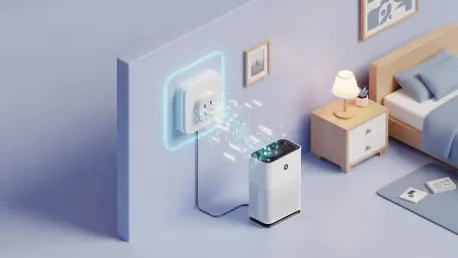
At its core, a smart plug functions as an intelligent intermediary that fits into any standard electrical wall outlet, providing the user with immediate remote control over any connected device. This functionality is achieved through internal relays that can make or break an electrical circuit based on commands sent through a localized or cloud-based software interface. Modern iterations of these devices utilize a variety of wireless communication protocols, including Wi-Fi for broad compatibility and Bluetooth for simplified initial setup. More importantly, the recent widespread adoption of the Matter standard has revolutionized how these plugs communicate across different platforms. This universal language allows a single plug to interact seamlessly with diverse ecosystems such as Apple Home, Amazon Alexa, and Google Home without requiring proprietary hubs. Such interoperability ensures that the user is not locked into a specific brand, fostering a more flexible and resilient home network architecture that remains responsive.
Technological Foundations: Software Logic and Universal Standards
The software layer accompanying these devices is just as critical as the hardware, offering a suite of features that transform simple power toggling into complex automation logic. Through dedicated mobile applications, users can monitor real-time power consumption, set granular schedules, and establish conditional triggers based on external factors like weather or time of day. For instance, a plug can be configured to activate a dehumidifier only when the local humidity level reaches a specific threshold, or to shut off a heater when the ambient temperature climbs too high. These logic-based routines reduce the need for constant manual monitoring, effectively offloading repetitive tasks to the smart home system. Furthermore, many contemporary smart plugs now include local processing capabilities, meaning they can execute pre-programmed schedules even if the primary internet connection is temporarily lost. This reliability is vital for maintaining consistent home performance and ensures that essential automated tasks are never interrupted.
Operational Utility: Streamlining Daily Household Activities
Integrating smart plugs into daily routines significantly reduces the cognitive load associated with managing a modern household by automating the subtle rhythms of domestic life. Rather than manually preparing appliances each morning, a homeowner can program the system to initiate a coffee maker or preheat a towel rack minutes before they wake up. This transition toward a proactive home environment ensures that living spaces are always optimized for the occupant’s specific needs without requiring active thought or physical effort. Moreover, the ability to control lighting and fans remotely provides an added layer of comfort, allowing users to adjust their environment while returning from work or from the comfort of another room. The cumulative effect of these small automations is a more streamlined and less stressful lifestyle, where the home environment adapts to the resident rather than the other way around. By delegating these minor yet frequent tasks to smart technology, individuals can focus their energy on more productive or relaxing pursuits.
Operational Utility: Residential Security and Occupancy Simulation
Beyond the realm of personal convenience, smart plugs serve as a formidable tool in a comprehensive home security strategy by providing sophisticated occupancy simulation. Traditional mechanical timers are often predictable and easy for observers to identify, but smart plugs offer dynamic scheduling that can mimic the actual behavior of residents. Many devices now include a dedicated Away Mode that randomly activates lamps, televisions, or radios during the evening hours, creating a convincing illusion that the property is occupied. This psychological deterrent is highly effective at discouraging potential intruders who look for signs of an empty house during vacation periods or long workdays. Additionally, the ability to check the status of appliances remotely through a smartphone provides invaluable peace of mind, as users can instantly verify if a potentially hazardous device, like a curling iron or a space heater, was left on. This real-time visibility and control significantly reduce the risk of domestic accidents while enhancing the overall safety profile.
Strategic Integration: Energy Oversight and Financial Efficiency
Homeowners who adopted smart plugs recognized that the transition toward automated living was as much about strategic efficiency as it was about modern convenience. These devices successfully addressed the challenges of rising energy costs and the necessity for enhanced security by providing a level of control that was once inaccessible to the average consumer. By integrating these modules into daily life, residents established a framework for a more responsive and sustainable environment that adjusted to their specific habits and preferences. The actionable next step for any property owner involved auditing the most power-intensive areas of the home and implementing smart plugs to mitigate phantom energy draw immediately. Moving forward, the focus shifted toward prioritizing Matter-compatible hardware to ensure long-term interoperability and local network reliability. By building a modular system grounded in these versatile tools, a household became better equipped to handle the complexities of modern domestic management while securing a path toward a fully optimized living space.
Strategic Integration: Scalability and Future-Proof Management
In addition to the direct financial benefits, the broader implementation of smart plugs encouraged a fundamental shift in how residents interacted with their personal spaces. The data provided by these devices allowed for a deeper understanding of consumption patterns, leading to more conscious decisions regarding the environmental footprint of a household. For those looking to optimize their setups further, the integration of voice assistants and localized sensors provided a hands-free experience that further reduced the friction of daily chores. This evolution in management proved that technology did not need to be invasive or expensive to be effective; rather, it needed to be intuitive and adaptable. As these systems matured, they offered a blueprint for sustainable living that maximized resources without sacrificing the quality of life. The final takeaway for the modern resident remained clear: the strategic use of simple, modular technology provided the most reliable foundation for long-term domestic stability. These systems eventually paved the way for a fully autonomous home experience.