
Electric vehicle ownership represents a broader lifestyle shift toward the Internet of Things rather than an isolated choice regarding transportation or fuel efficiency. When a driver brings home a modern electric vehicle, they are not merely parking a car in the garage; they are installing one of the largest and most sophisticated smart devices they will ever own. This acquisition frequently serves as the catalyst for a fundamental reevaluation of the home’s technological infrastructure. For many, the necessity of a Level 2 home charger leads to the immediate consideration of smart electrical panels and dedicated energy monitoring software. This initial step creates a psychological and technical bridge that connects the driveway to the living room. As these vehicle owners become accustomed to monitoring battery percentages and charging speeds through a mobile application, the leap toward managing smart locks, lighting, and climate control via the same interface becomes almost inevitable and highly intuitive. The car functions as the ultimate gateway for a fully automated residence.
The Symbiosis of Mobile and Stationary Energy
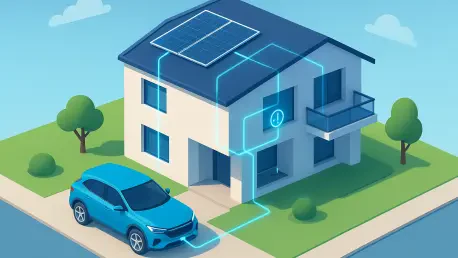
The integration of an electric vehicle into a household often necessitates an upgrade to the local grid interface, typically through systems like the Span Smart Panel or Schneider Electric’s Pulse. These devices transform a traditional electrical board into a data-rich hub that allows users to prioritize energy delivery across various circuits. When the vehicle is plugged in, it acts as a massive energy reservoir that can interact with the home in ways internal combustion engines never could. Bidirectional charging, specifically Vehicle-to-Home technology, has turned cars like the Ford F-150 Lightning or the updated Hyundai Ioniq series into emergency backup generators. This capability forces a deeper level of engagement with the home’s energy profile, as residents must now understand their peak consumption periods and how to optimize their battery usage. Consequently, the vehicle ceases to be a separate entity and instead functions as a critical node within a larger, interconnected domestic power network.
This shift toward active energy management naturally extends to the adoption of renewable energy sources, specifically residential solar arrays and battery storage. Homeowners who monitor their vehicle’s power draw quickly realize the economic advantages of generating their own electricity to offset the costs of daily commuting. The synergy between a Tesla Powerwall and a Model Y, for instance, provides a blueprint for a self-sustaining ecosystem where the home and the vehicle share a single, intelligent brain. Modern energy management software now utilizes artificial intelligence to predict weather patterns and local utility price surges, automatically deciding when to pull power from the grid and when to rely on the car’s stored energy. By establishing this level of control over one’s primary transportation and housing costs, the owner develops a reliance on automated, data-driven decision-making. This mindset then spills over into other areas of the home, such as automated water heating and smart irrigation systems.
Future-Proofing Living Spaces for Total Connectivity
The evolution of the connected home was heavily influenced by the sophisticated software platforms found in contemporary electric vehicles. Companies like Rivian and Lucid designed their vehicle operating systems to be extensions of the user’s digital life, mirroring the seamless experience found on high-end smartphones. When a vehicle communicated with a garage door through HomeLink or adjusted the home’s Nest thermostat as it approached the driveway, the boundary between the car and the residence began to dissolve. This level of automation relied on robust APIs and cloud-based services that synchronized the user’s preferences across multiple devices. As drivers grew accustomed to the convenience of pre-conditioning their car’s cabin temperature through an app, they increasingly sought out similar functionalities for their ovens, security systems, and entertainment centers. The vehicle essentially taught the consumer how to interact with an automated environment, setting a high standard for responsiveness.
To maximize the benefits of this transition, property owners prioritized the installation of high-amperage, smart-enabled charging stations that supported bidirectional power flow. It was essential to invest in standardized communication protocols like Matter and ISO 15118-20, which allowed various devices from different manufacturers to communicate effectively. These technical frameworks ensured that the electric vehicle functioned in harmony with the rest of the smart home, preventing technological silos. Homeowners also discovered the importance of consulting with certified electricians who specialized in smart panel installations to ensure the domestic grid was prepared for the increased digital load. By upgrading to mesh Wi-Fi 7 systems, residents ensured that the vehicle remained connected for critical over-the-air updates. Ultimately, the move toward an integrated ecosystem provided tangible benefits in energy efficiency and quality of life, proving the vehicle was a primary catalyst for residential modernization.