
The digital landscape of content creation has shifted away from the cumbersome reliance on handheld devices toward a sophisticated and highly integrated hands-free ecosystem. This transition reflects a broader desire among professional creators to eliminate the friction that historically existed between experiencing a live event and capturing it for an audience. In the current market, the “Hands-Free Creator Kit” has transitioned from a niche experimental accessory to an essential suite of tools that allows for a more immersive storytelling experience. By prioritizing authenticity over technical complexity, these systems mirror the human perspective more closely than any previous generation of mobile technology. The shift represents a fundamental change in how stories are told, moving from the perspective of an outside observer holding a screen to that of an active participant whose vision is shared directly with the viewer through seamless hardware integration. This evolution ensures that technical requirements no longer dictate the physical movements of the person behind the lens.
Eliminating Friction in Content Creation
Solving Physical Limitations: The Ergonomic Shift
Spontaneous events that were once lost to the time required to retrieve, unlock, and navigate a smartphone camera are now captured with effortless precision thanks to ergonomic innovation. Modern creators have abandoned awkward tripod setups and forced arm-length selfie angles in favor of a natural point-of-view that keeps their hands free for the actual task at hand. This shift is particularly vital for high-engagement niches such as culinary demonstrations and intricate DIY projects.
By removing the physical barrier of the device, creators can maintain a higher level of presence in their environment while providing viewers with a realistic look through their eyes. This ergonomic evolution addresses the fundamental limitation of traditional mobile filmmaking, where the act of recording often interfered with the very performance being documented. Consequently, the quality of storytelling has reached a new level of intimacy and detail previously unattainable for professionals.
Establishing Modularity: Lessons From Wireless Audio
The widespread adoption of wearable video gear was significantly influenced by the earlier revolution in compact wireless microphone systems which established a design philosophy centered on small, reliable, and unobtrusive components. These audio devices proved that creators were eager to adopt specialized peripherals if those tools significantly improved production quality without sacrificing freedom of movement. By untethering the creator, wireless audio set the standard for modular kits.
Today, the focus has expanded from just high-fidelity sound to include multi-angle video capture and stabilization that operate independently of the creator’s grip. This history of peripheral success demonstrated that the market was ready for a more decentralized approach to hardware. This modularity allows for a customized setup that fits the specific needs of any environment, ensuring that the gear supports the creator rather than the creator being restricted by the physical weight of the gear.
The Mainstreaming of Wearable Technology
Hardware Integration: Bridging Wearables and Mobile Hubs
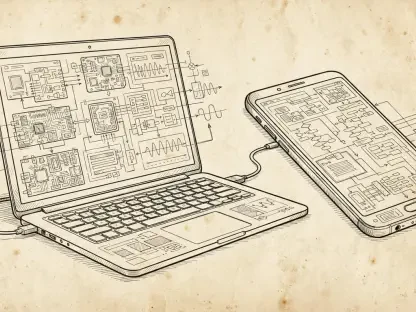
A central component of the modern toolkit involves mainstream wearable video glasses which capture high-resolution footage directly from the eyeline without the obstructive bulk associated with traditional action cameras. These devices function as specialized external lenses rather than full replacements for the smartphone, which continues to serve as the powerful central hub for the creative workflow. This synergy allows creators to maintain a first-person perspective while editing on their phone.
The smartphone acts as the brain of the operation, receiving data streams from the wearables and coordinating the final output through advanced processing. This split-task architecture ensures that the hardware worn on the face remains lightweight and aesthetically pleasing, while the heavy lifting of computational photography and video rendering is handled by the primary device. This balance between portability and power represents a massive leap forward for the professional mobile creator.
Practical Constraints: Battery Life and Thermal Management
Despite the rapid integration of these tools, the transition to wearable technology has introduced specific practical hurdles regarding battery density and data transfer efficiency. For these tools to be effective in a professional environment, they must be lightweight enough for long-term wear while possessing the hardware power to offload high-resolution footage quickly to a hub. Early market reviews emphasize that physical comfort and aesthetics are non-negotiable requirements for users.
Any device that causes physical fatigue or thermal discomfort after short periods of use fails to meet the rigorous demands of professional production. Furthermore, the need for high-speed wireless protocols is critical to ensure that the synchronization between the wearable lens and the processing hub is instantaneous. Addressing these hardware constraints remains a top priority for developers seeking to dominate the market by providing more efficient cooling and energy-dense battery cells.
A Holistic Approach to Modern Production
System Sustainability: Health and Modular Flexibility
As creators integrate more “always-on” technology into their daily professional lives, a mature approach to health and digital eye comfort has become a standard part of the filmmaking conversation. Proactive habits, such as conscious blinking and taking regular breaks during long filming sessions, are now treated with the same importance as technical skills like lighting. This awareness reflects a sustainable shift in the industry, acknowledging the need for a balance with well-being.
As the sector evolves from 2026 to 2029, manufacturers have responded by incorporating blue-light filtration and flicker-reduction technologies into the lenses of wearable kits to mitigate eye strain. Furthermore, the community has developed a culture of digital hygiene, where the focus is not just on the volume of content produced, but on the health of the individual. This holistic view ensures that the creator economy remains vibrant and sustainable, preventing the risk of burnout.
Future Perspectives: Actionable Strategies for Emerging Media
The move toward a modular and specialized kit eventually redefined the fundamental requirements of the craft, allowing for a seamless blend of lived experience and professional documentation. It was determined that the most effective solutions involved a sophisticated network of magnetic mounts, high-fidelity wireless microphones, and eyeline-capture wearables that adapted to specific environments. Creators who successfully navigated this transition focused on cross-platform compatibility.
They also realized that the integration of hands-free technology required a reimagining of storyboarding to account for the dynamic movement of a head-mounted camera. Actionable next steps involved investing in gear with open-standard data sharing and prioritizing thermal efficiency over raw resolution. Ultimately, the industry moved away from static setups toward a more fluid style of filmmaking that prioritized the narrative over the hardware, ensuring the technology served the artist.