
The dual-camera doorbell system utilizes a primary 2.5K resolution sensor for visitors and a dedicated downward-facing camera to ensure that no part of the entryway remains unmonitored. This innovation is a flagship of the broader Apple Home Collection, which makes its official debut in the Canadian market this December. By collaborating with established industry leaders like LG Electronics and Schneider Electric, the technology provider aims to dismantle the fragmentation that has long hindered the adoption of smart home technology. Currently, many Canadian homeowners manage a chaotic assortment of devices, each requiring a separate third-party application and account registration. The introduction of this unified collection promises a “tap-to-set-up” methodology that eliminates these hurdles. By facilitating configuration through a native mobile interface, the collection attempts to harmonize hardware and software into an intuitive ecosystem that prioritizes the user experience while maintaining premium performance standards across all domestic categories.
The Intersection: Security and Privacy Principles
Maintaining a high level of security was a foundational goal in the development of this hardware suite, especially as concerns regarding digital privacy continue to grow. To address these anxieties, the collection utilizes end-to-end encryption for all camera footage and sensitive personal data processed within the application. This ensures that no outside entities, including the participating hardware manufacturers, can access the private visual information of a household. Furthermore, the integration of the Matter industry standard allows these devices to communicate effectively across different smart platforms while remaining securely anchored within a protected environment. This approach is particularly relevant for Canadian consumers who have expressed hesitation about installing internet-connected microphones and cameras in their private spaces. By combining interoperability with robust data protection, the ecosystem provides a credible alternative to the less secure, fragmented systems that often dominate the consumer market.
The partnership with LG Electronics has produced a versatile camera lineup designed to tackle specific security challenges, such as the persistent issue of blind spots at front entrances. Beyond the dual-camera doorbell, the collection includes outdoor floodlight cameras with color night vision and indoor units that feature a unique physical privacy shutter. This mechanical shutter allows the lens to tilt downward and physically block its own view the moment a household member arrives home, offering a tangible sense of privacy that software-based solutions cannot match. For Canadian users, a critical technical advantage is the ability of these cameras to record directly to internal storage during a Wi-Fi outage. This local recording capability ensures that surveillance remains uninterrupted even when internet service is intermittent. While these devices provide extensive coverage, they are designed to operate as a cohesive unit that feeds into a centralized monitoring station, enhancing the overall security of the residence.
Advanced Intelligence: Processing and Storage Tiers
To function at its highest capacity, the collection requires a local home hub, such as an Apple TV 4K or a HomePod, to act as the primary intelligence center for the household. These devices process complex algorithms locally, allowing for the advanced recognition of specific people, pets, vehicles, and even package deliveries without the need to transmit sensitive data to external servers. This on-device intelligence is a significant shift away from traditional cloud-based processing, which often introduces latency and potential security vulnerabilities. By keeping the analytical brain of the smart home within the physical walls of the residence, the system maintains a faster and more secure response time for various automation triggers. This setup also ensures that the most sophisticated features, such as natural-language search queries for past video events, remain functional and private. For the Canadian homeowner, this means that their daily routines are analyzed in a way that prioritizes speed and security.
While the hardware offers impressive capabilities on its own, the full suite of surveillance features is closely tied to the user’s existing iCloud+ subscription level. The system uses a tiered approach where a basic 50GB plan supports a single camera, while the higher-capacity 2TB plan allows for an unlimited number of devices to be monitored simultaneously. This subscription model provides users with a rolling ten-day history of recorded events, but it also means that the long-term cost of the system includes a recurring monthly fee. For many households in Canada, the decision to adopt the full collection will involve calculating these ongoing expenses alongside the initial premium hardware investment. Furthermore, advanced software features like automatic video summaries require a mobile device capable of running the latest intelligence software, creating a dependency that spans multiple devices. This integration ensures a high-quality experience for those already invested in the ecosystem, despite the recurring costs.
Operational Realities: Hardware Performance and Pricing
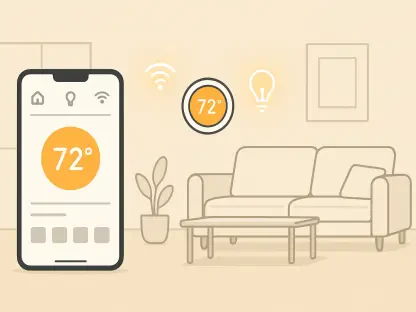
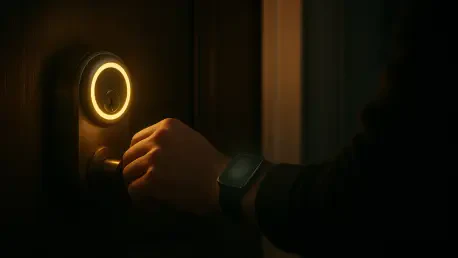
The introduction of Ultra Wideband technology in the LG Smart Deadbolt represents a significant advancement in residential access control for the Canadian market. This technology allows the lock to detect the precise proximity of an authorized watch or phone, enabling the door to unlock automatically as the user approaches without any physical interaction. This hands-free experience is complemented by a series of smart thermostats and room sensors developed with Schneider Electric. These devices utilize adaptive intelligence to learn the heating and cooling preferences of the household, automatically adjusting the climate to optimize energy efficiency. However, a notable geographical discrepancy exists, as certain utilities like Clean Energy Guidance are currently restricted to users in the United States. Despite this, the core hardware remains highly capable, providing reliable local control that does not depend on an active internet connection, which is essential for maintaining access and comfort during infrastructure challenges.
The arrival of these premium devices necessitated a thorough evaluation of long-term costs and hardware resilience among Canadian early adopters. While the immediate benefits of a unified interface appeared clear, savvy users prioritized verifying weatherproofing ratings for their specific geographic regions. It was also critical that consumers assessed their current subscription plans to account for the necessary bandwidth and storage increases required by high-definition streaming. Professionals recommended that residents conducted local testing of the smart deadbolt’s proximity features to ensure compatibility with various door types before permanent installation, especially as specialized installation services from partners like ADT remained limited to American regions. By looking beyond the initial setup, many households identified where the ecosystem offered the most value. Ultimately, the decision to invest in this collection hinged on balancing the desire for privacy-first automation with the practical demands of a northern climate.