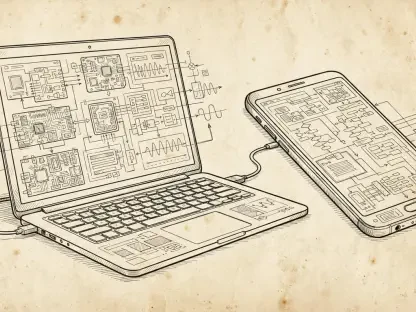

The sheer definition of high-end residential real estate has undergone a profound transformation, moving away from the static opulence of gold-plated fixtures toward the dynamic efficiency of integrated artificial intelligence. Today, a property is no longer considered truly premium unless it possesses a digital nervous system capable of anticipating the needs of its occupants before a single command is ever issued. This evolution signifies a shift in value where the luxury of “having” is being superseded by the luxury of “being” in an environment that actively enhances human performance and well-being. Modern affluent buyers now prioritize sophisticated automation systems that manage energy consumption, security, and environmental comfort with surgical precision. While marble countertops remain desirable, the true hallmark of a contemporary mansion is the invisible infrastructure that connects every appliance and lighting zone into a cohesive, self-regulating ecosystem that responds intuitively to residents.
Seamless Orchestration Through Generative Intelligence
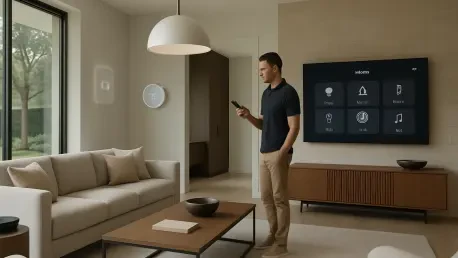
The current standard for luxury living relies heavily on the implementation of local-first generative artificial intelligence that operates without the need for constant cloud connectivity, ensuring both speed and privacy. High-net-worth individuals are increasingly installing localized edge computing clusters that allow for voice-activated controls that understand complex, multi-step requests rather than simple binary commands. For instance, a resident might request a specific mood for an evening gala, and the system simultaneously adjusts the color temperature of LED arrays, modulates the multi-zone audio system, and activates the climate control to account for the body heat of twenty guests. This level of orchestration is achieved through the latest iterations of the Matter protocol, which has unified the previously fragmented smart home landscape into a singular, interoperable framework. The result is a home that feels like a responsive companion that streamlines daily routines and eliminates manual friction.
Furthermore, the convergence of health technology and residential design has turned the luxury home into a sophisticated wellness sanctuary that monitors environmental factors to optimize longevity. Advanced sensors now track air quality, volatile organic compounds, and humidity levels in real-time, triggering hospital-grade filtration systems the moment a deviation from the baseline is detected. Circadian lighting systems, which were once considered a niche upgrade, are now a fundamental requirement in top-tier developments, mimicking the natural progression of the sun to regulate sleep-wake cycles. These systems use hyper-localized data to adjust the blue light spectrum throughout the day, significantly improving the mental clarity and recovery times of high-performing individuals. Moreover, smart glass technology has replaced traditional curtains in many luxury builds, allowing windows to tint automatically based on the sun’s position. These technological layers provide a level of physiological comfort that traditional construction methods simply cannot replicate.
Future-Proofing Residences for Security and Longevity
While internal comfort remains paramount, the security of a luxury residence has transitioned from physical barriers to sophisticated biometric and encrypted digital perimeters. High-end homeowners are moving away from traditional keys and even standard keypads in favor of facial recognition and palm-vein scanning technology that provides frictionless access while maintaining unbreachable security. These systems are often integrated with advanced AI-driven surveillance that distinguishes between residents, staff, and unknown visitors, providing detailed alerts only when a genuine security anomaly is identified. This proactive approach to safety allows for a more open and aesthetically pleasing architectural design, as the need for unsightly fences is mitigated by invisible, laser-based tripwires and thermal imaging cameras. The emphasis is on creating a fortress that does not look like one, where the technology remains hidden behind the architecture but provides a level of peace of mind that was previously unattainable through manual monitoring.
The integration of smart systems into the fabric of the home became the definitive benchmark for property valuation and long-term residential satisfaction. Owners who invested in modular and upgradeable hardware infrastructures found themselves better positioned to adapt to rapid software advancements without requiring invasive renovations. Moving forward, the most effective strategy involved prioritizing hardware-agnostic platforms that allowed for the seamless addition of new sensors and processing units as they became available. Developers who standardized high-bandwidth fiber-optic backbones and dedicated server rooms in their builds ensured that these properties remained relevant in a competitive market. Ultimately, the successful adoption of smart technology required a focus on user experience over technical complexity, favoring interfaces that remained intuitive for all generations of residents. The focus shifted toward sustainable energy management systems that utilized artificial intelligence to balance solar gain.