
The collaboration between SpaceX and NTT Docomo is fundamentally altering the wireless landscape in East Asia by tackling the persistent dead zone problem that has plagued the industry for decades. SpaceX is currently maintaining a rigorous launch schedule to deploy its V2 constellation, leveraging both Falcon 9 and the upcoming Starship vehicle to meet growing data demands. This strategic partnership focuses on integrating Direct-to-Cell capabilities, which allow orbital hardware to function like cell towers in the sky. Unlike previous generations of satellite technology that necessitated bulky receivers or specialized hardware, this new initiative enables standard 5G smartphones to connect directly to the Starlink network. This transition represents a significant leap forward from basic emergency messaging toward a comprehensive broadband experience, potentially offering speeds that rival traditional terrestrial networks in areas where physical infrastructure is difficult to maintain.
Technological Breakthroughs in Satellite Connectivity
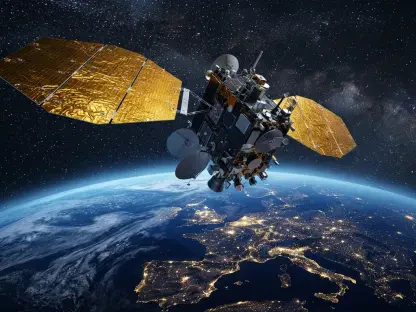
The engineering complexity required to transition from terrestrial-bound signals to a space-based network involves a total reimagining of satellite architecture. To achieve 5G-like performance, SpaceX has deployed larger, more capable V2 satellites that utilize advanced phased-array antennas and proprietary radio technology. This infrastructure is not merely an incremental update; it represents a fundamental shift in how data is transmitted across the vacuum of space and through the Earth’s atmosphere. By increasing the physical size of the satellites and the sensitivity of the receiver arrays, the network can now handle significantly higher volumes of traffic simultaneously. This enables the system to support millions of concurrent connections without the severe latency issues that historically plagued satellite communication. As these satellites orbit the planet at high velocities, they form a dynamic mesh network that ensures continuous coverage, allowing for the delivery of high-bandwidth content regardless of the proximity to fiber.
From Emergency Messaging to High-Speed Data
The technological leap from simple text-based communication to full-scale broadband delivery hinges on the enhanced throughput of the V2 hardware architecture. Each satellite in the second-generation constellation is engineered to provide approximately twenty times the data throughput compared to its predecessors, effectively mimicking the performance characteristics of high-tier terrestrial 5G connections. This improvement is achieved through a combination of larger antennas and more sophisticated signal processing, which allows for a data density nearly one hundred times greater than earlier models. For the average user in a remote area of Japan, this means that activities once considered impossible, such as streaming high-definition video or participating in low-latency video conferences, are becoming a reality. By hitting peak speeds of 150 Mbps, the system ensures that the digital divide is essentially erased for those living outside urban centers.
Seamless Hardware Compatibility and User Accessibility
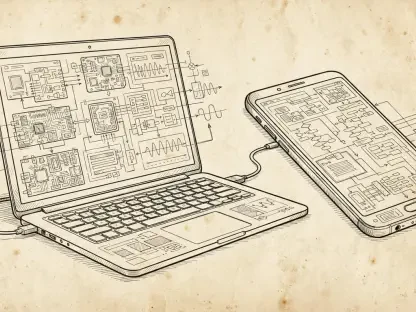
One of the most disruptive elements of the Starlink V2 rollout is the invisible upgrade logic that preserves the existing user experience without requiring hardware modifications. The system utilizes the standard LTE and 5G spectrum already supported by modern smartphones, meaning that NTT Docomo customers can access orbital connectivity using the devices already in their pockets. This seamless transition is managed by sophisticated handoff protocols that allow a smartphone to switch between terrestrial towers and satellites without any manual intervention from the user. When a person moves out of range of a ground-based station, the device automatically identifies the satellite signal as an extension of the primary carrier network. This approach eliminates historical barriers to satellite adoption, such as high hardware costs and the need for line-of-sight tracking antennas, making high-speed connectivity as simple as walking outdoors with a standard smartphone in hand.
Strategic Impact and Infrastructure Requirements
The strategic implications of the Starlink V2 rollout extend beyond simple consumer convenience, touching on national security, disaster resilience, and the economic integration of remote regions. For a nation like Japan, which is prone to seismic activity and natural disasters, a space-based communication layer provides a critical redundancy that terrestrial fiber cannot offer. Traditional networks are highly vulnerable to physical disruptions, such as earthquakes or tsunamis, which can sever underwater cables and destroy ground-based towers in seconds. In contrast, a satellite-to-phone system remains operational as long as the user has a view of the sky, ensuring that emergency services and citizens stay connected during the most critical times. Furthermore, the economic benefits of universal high-speed access are profound, as it allows businesses in rural prefectures to compete on a global scale. This digital democratization fosters innovation and drives growth in previously underserved sectors.
Overcoming Japan’s Unique Geographic Challenges
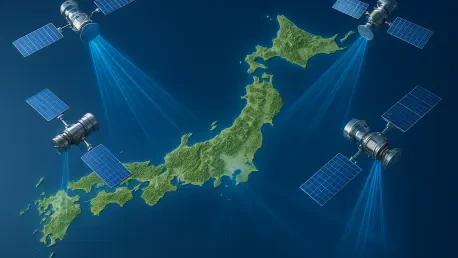
Japan’s complex topography presents a formidable challenge for traditional telecommunications infrastructure, with nearly 70% of the landmass covered by mountains and forests. Building traditional cell towers in these rugged terrains often involves astronomical costs and logistical nightmares, leading to persistent coverage gaps in rural prefectures and on outlying islands. By utilizing the V2 constellation, NTT Docomo is positioning itself to achieve 100% geographic coverage across the entire Japanese archipelago. This move bypasses the physical limitations of ground-based stations, providing a reliable safety net for maritime activities, mountain rescue operations, and agricultural monitoring in remote valleys. The ability to provide ubiquitous coverage without laying thousands of miles of fiber-optic cables or erecting hundreds of steel towers significantly reduces the environmental impact on Japan’s natural landscapes while ensuring that every citizen has access to essential digital services.
Establishing a Global Template for Universal Connectivity
The deployment of this technology across the Japanese archipelago established a definitive standard for how modern carriers integrated orbital layers into their existing infrastructure. By successfully maintaining 150 Mbps speeds on standard handsets, the partnership proved that satellite technology was a viable alternative to costly terrestrial expansions in complex topographies. Stakeholders highlighted the importance of this milestone in demonstrating that 5G performance could be achieved without the environmental footprint of thousands of new cell towers. Telecommunications experts recommended that other nations followed this model to bridge their own digital divides, particularly in regions where geographic barriers made traditional coverage impossible. Ultimately, the focus shifted toward refining the global regulatory framework to support these services. The project demonstrated that the synergy between space innovation and mobile telephony could finally deliver universal access, providing a clear path forward for a world where isolation no longer meant digital exclusion.