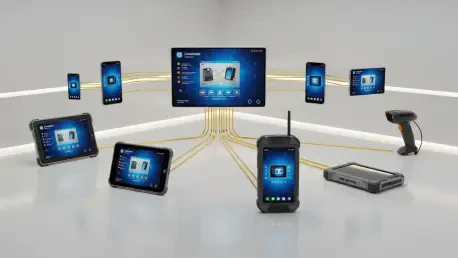

Navigating the complex logistics of a bustling metropolis like São Paulo or Mexico City requires more than just standard mobile devices; it demands a sophisticated digital nervous system that can orchestrate thousands of endpoints in real time. SOTI has emerged as a cornerstone of this transformation, moving far beyond its origins in basic mobile device management to become an architect of comprehensive enterprise mobility across forty-two countries in Latin America. By providing deep-seated business intelligence and integrating predictive analytics, the company helps regional organizations bridge the gap between legacy infrastructure and the demands of modern commerce. This shift allows local businesses to not only manage their fleets of smartphones and tablets but also to master the complexities of industrial scanners, rugged handhelds, and even specialized drones. In an environment where economic volatility is often a factor, the ability to gain a clear return on investment within twelve to twenty-four months acts as a powerful incentive for digital adoption. Organizations are finding that by utilizing these advanced tools, they can achieve operational efficiency gains of up to thirty percent, effectively future-proofing their presence in a competitive global market while ensuring that their mobile workforce remains connected and secure regardless of geographical challenges.
Integrating Fragmented Systems with the SOTI ONE Platform
The deployment of the SOTI ONE Platform effectively addresses the historical challenge of fragmented mobile ecosystems that once hindered corporate growth in the region. By consolidating various management functions into a single pane of glass, IT directors can maintain total visibility over their entire hardware landscape without the need to toggle between multiple, often incompatible, software solutions. Within this ecosystem, specialized tools like SOTI XSight provide advanced diagnostic capabilities that allow technicians to troubleshoot and resolve issues remotely, significantly reducing the downtime that typically plagues field operations. Meanwhile, SOTI Snap empowers businesses to develop and deploy mobile applications rapidly, bypassing the lengthy and expensive traditional development cycles that often stall digital initiatives. This integration ensures that every component of the mobile infrastructure works in harmony, allowing for a more streamlined flow of information from the warehouse floor to the executive boardroom. As enterprises continue to expand their digital footprints, the ability to manage these diverse assets through a unified interface becomes a critical advantage in maintaining operational continuity and speed.
Beyond the immediate benefits of software integration, the platform maintains a strictly hardware-agnostic stance, which is vital in a market where budget constraints often lead to a mix of different brands and operating systems. SOTI has cultivated deep technical certifications with global hardware leaders such as Zebra, Honeywell, and Microsoft, ensuring that its software is finely tuned for the specific rugged devices used in harsh industrial environments. These partnerships are not merely superficial; they involve deep-level integration that allows for the management of specialized features like long-range barcode scanning, battery health monitoring, and persistent connectivity in low-signal areas. This level of technical synergy is particularly beneficial in sectors such as mining and heavy manufacturing, where standard consumer-grade electronics would fail under the physical and environmental stresses of the job. By supporting a broad spectrum of operating systems, including Android, Windows, and iOS, the platform allows companies to leverage their existing hardware investments while gradually modernizing their fleets. This flexibility prevents the necessity of a total “rip and replace” strategy, making the transition to advanced mobility more financially feasible for growing Latin American firms.
Leveraging Operational Data for Real-Time Decision Making
The transformation of raw device data into actionable business intelligence represents perhaps the most significant leap forward for enterprise mobility in Central and South America. In public safety applications, government agencies have utilized the platform to oversee thousands of mobile units used by police forces, identifying specific geographic “shadow zones” where signal inhibitors might be active. By analyzing these connectivity patterns in real time, law enforcement can anticipate criminal tactics and deploy resources more effectively, turning a simple communication tool into a strategic asset for crime prevention. This proactive approach to data management enables a level of operational foresight that was previously unattainable, allowing public officials to make decisions based on empirical evidence rather than intuition. The ability to monitor device health and location in high-risk environments also ensures the safety of personnel on the ground, providing a constant link back to command centers. As data collection becomes more granular, the insights derived from these mobile networks are being used to optimize everything from patrol routes to emergency response times, creating a safer and more responsive public infrastructure.
In the private sector, the focus shifts toward industries where continuous uptime is synonymous with profitability, such as retail and healthcare. Retail giants are increasingly reliant on mobile checkout terminals and inventory scanners to provide a seamless customer experience, and even a few minutes of downtime can lead to significant revenue loss and customer dissatisfaction. SOTI’s technology ensures that these critical devices remain operational through proactive monitoring and automated updates, preventing software glitches before they interfere with a transaction. Similarly, in the healthcare field, the priority is the secure and instantaneous access to patient data, where clinicians use mobile diagnostic tools to make life-saving decisions at the bedside. The platform protects this sensitive information through robust encryption and strict access controls, ensuring compliance with evolving data privacy regulations while maintaining the speed required in medical emergencies. This dual focus on operational reliability and data security makes the technology an indispensable part of the modern service economy, where the efficiency of mobile workers directly translates into a competitive market advantage.
Optimizing Industrial Performance through Artificial Intelligence and Security
The introduction of the SOTI Stella engine brings a new layer of sophistication to regional operations by embedding artificial intelligence directly into the mobile management workflow. In a manufacturing setting, this AI-driven engine can monitor the minute mechanical performance of mobile hardware and the systems they interact with, detecting subtle shifts that might indicate an impending equipment failure. By identifying these anomalies early, companies can perform maintenance before a production line grinds to a halt, saving thousands of dollars in lost productivity and repair costs. In the retail sector, the application of AI extends to customer interaction, where the system can analyze patterns of device usage to provide insights into consumer behavior on the sales floor. These systems can even detect when a customer is lingering in a specific aisle and trigger a notification to a nearby associate or offer a personalized discount to the user’s device to facilitate a sale. This transition from reactive troubleshooting to proactive optimization represents the next frontier of enterprise mobility, where the technology acts as a silent partner in driving business growth and enhancing the overall customer journey.
As northern Mexico experiences an unprecedented boom in manufacturing due to the global shift toward nearshoring, the demand for secure and scalable mobility solutions has reached a fever pitch. International corporations are setting up complex supply chains that require seamless integration between local production sites and global headquarters, necessitating a high level of cybersecurity and data integrity. SOTI is positioning itself as a vital partner in this expansion by treating cybersecurity not just as a technical requirement, but as a fundamental component of a company’s brand reputation. Through high-level encryption and sophisticated identity management, the platform protects corporate intellectual property and operational data from the increasing threat of cyberattacks or physical device loss. This focus on security is particularly relevant for the utilities and oil sectors, where the management of remote assets in isolated areas requires a combination of rugged hardware and impenetrable software. As these industries continue to modernize through 2027, the emphasis on building a secure digital perimeter will remain a top priority, ensuring that the economic gains of nearshoring are not undermined by technical vulnerabilities or data breaches.
Establishing a Resilient Digital Foundation for the Years Ahead
To establish a resilient digital foundation, organizations across Latin America adopted a comprehensive strategy that integrated hardware management with real-time analytics and artificial intelligence. These entities moved beyond the simple acquisition of mobile devices and instead focused on how those assets could be optimized to deliver long-term value and operational stability. By partnering with local experts and utilizing hardware-agnostic platforms, businesses successfully navigated the complexities of diverse markets while maintaining high standards of cybersecurity and efficiency. The implementation of predictive maintenance and automated workflows allowed for a significant reduction in operational costs, proving that technological investment was a necessity rather than a luxury. Future considerations for regional leaders involved the continued expansion of AI capabilities and the strengthening of digital infrastructures to support the ongoing influx of international manufacturing. These proactive steps ensured that the regional workforce remained competitive on a global scale, providing the tools needed to manage complex logistics and high-stakes industrial environments with confidence.
The commitment to a partner-first approach proved to be a decisive factor in the successful navigation of Latin America’s varied regulatory and economic environments. By relying on a network of local experts who understood the nuances of each specific market, enterprises were able to implement technology solutions that were both culturally and technically appropriate. This collaborative model fostered a spirit of innovation that extended beyond individual companies, contributing to a broader regional trend of digital maturity and economic resilience. The lessons learned during this period of rapid transformation provided a blueprint for other emerging markets, demonstrating that the right combination of centralized management and localized execution could overcome even the most daunting logistical hurdles. As a result, the enterprise mobility landscape in the region became more robust, secure, and prepared for the next wave of technological disruption that lay on the horizon. This transition toward a more connected and intelligent enterprise landscape provided a clear roadmap for sustained growth and innovation in the coming years.