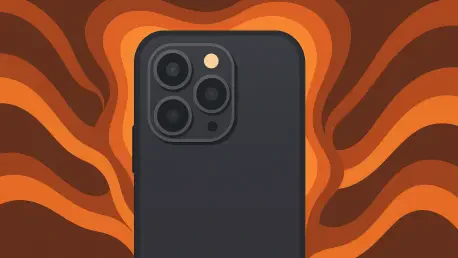

By reducing the physical footprint of the camera array, Samsung can better accommodate the thermal and power demands of its next-generation image processor. The release of the Galaxy S27 Ultra represents a profound shift in how the industry perceives mobile photography, moving away from the brute-force hardware competition that dominated the market from 2026 to early 2027. For years, the Ultra series was defined by its sprawling quad-camera arrays and an obsession with reaching the highest possible numerical specifications, often at the expense of a cohesive aesthetic. However, consumer feedback and professional evaluations have forced a reckoning. Modern users no longer prioritize a dozen lenses if the resulting images feel sterile or overly sharpened by aggressive software. This new strategic direction prioritizes the emotional resonance and technical balance of every frame. By integrating more advanced silicon that manages heat more efficiently, Samsung has unlocked the potential for sustained high-resolution processing that was previously impossible. This evolution signifies a transition from a numbers-focused race to a quality-driven mission, ensuring the hardware serves the art rather than the marketing materials.
Refining the Aesthetic: A Shift Toward Organic Imagery
The most immediate change users will notice in the Galaxy S27 Ultra is a departure from the clinical, blue-tinted color science that characterized previous iterations. In the past, Samsung’s white balance algorithms often overcompensated for artificial light, resulting in skin tones that looked unnaturally pale and outdoor landscapes that felt cold and detached. To rectify this, the S27 Ultra utilizes a sophisticated recalibration of its sensor interpretative layer, favoring a warmer and more organic color profile. This shift is particularly evident during “golden hour” photography, where the device now prioritizes the rich amber and copper tones of the setting sun rather than neutralizing them. This more naturalistic approach ensures that every photo feels grounded in reality, mimicking the characteristics of high-end film stock. By focusing on the “soul” of the image, Samsung is finally bridging the gap between mobile convenience and the timeless look of professional photography, catering to a market that increasingly values character and atmosphere over purely digital precision.
Hand in hand with color refinement comes a massive leap in how the device handles high-intensity light sources through precision highlight management. Mobile sensors have historically struggled with “highlight clipping,” a phenomenon where bright elements like neon signs or street lamps lose all detail and become featureless white blobs. The S27 Ultra introduces a tighter control mechanism within its high-dynamic-range pipeline that preserves the physical boundaries and internal textures of these light sources. For instance, a glowing neon sign in a dark alley now retains its specific hue and legible text without bleeding light into the surrounding pixels. This level of control is applied consistently across the primary sensor and the periscope lens, creating a uniform visual experience regardless of the focal length. This technological advancement ensures that high-contrast scenes maintain their atmospheric depth, allowing photographers to capture complex lighting environments with the confidence that the camera will preserve both the deepest shadows and the brightest highlights without compromise.
Optimized Hardware: The Integration of the ISOCELL HP6
The decision to remove the dedicated 10MP 3x telephoto lens is perhaps the most significant structural change in the Galaxy S27 Ultra’s history. This shift marks the official end of the quad-camera era for Samsung’s flagships, as the company embraces a more streamlined and efficient triple-camera architecture. To compensate for the loss of physical glass, Samsung has deployed the 200MP ISOCELL HP6 sensor, a customized component specifically engineered for high-precision in-sensor cropping. By utilizing the massive resolution and advanced pixel-binning capabilities of this sensor, the device can generate “optical-quality” 3x zoom shots directly from the center of the main lens. This strategy effectively eliminates the need for a secondary, lower-resolution sensor that often struggled with color consistency and noise. The result is a more cohesive shooting experience where transitions between zoom levels are seamless, and the quality of a 3x shot finally matches the richness and detail of the primary 1x wide-angle photograph, representing a victory for computational intelligence.
Beyond the simplification of the rear camera array, this hardware reorganization allows for a substantial improvement in the internal layout and thermal management of the phone. By reclaiming the space previously occupied by the 3x module, engineers have been able to expand the cooling systems and optimize the placement of the laser autofocus and auxiliary sensors. This architectural refinement is essential because the high-resolution in-sensor cropping and advanced processing are computationally demanding tasks that generate significant heat. The S27 Ultra’s new power management system is specifically tuned to handle these workloads, ensuring that the image signal processor can operate at peak performance during extended photo sessions without throttling. This focus on efficiency ensures that the device remains responsive and cool, even when capturing multiple 200MP frames in rapid succession. It is a clear indication that Samsung is moving toward a more holistic design philosophy where internal synergy is just as important as external specifications.
Future Implications: Setting a New Standard for Mobile Vision
The Galaxy S27 Ultra successfully established a new benchmark for what a flagship mobile device could achieve when engineering focused on refinement over redundancy. By moving away from the unnecessary complexity of a four-lens system, Samsung proved that computational intelligence could deliver superior results when paired with the right hardware. The industry observed a significant shift as competitors began to re-evaluate their own camera arrays, realizing that the quality of data captured by a single high-performance sensor often outweighed the benefits of multiple specialized lenses. For the user, the actionable outcome of this evolution was a more reliable and intuitive tool that consistently produced professional-grade imagery in any environment. As mobile photography entered this more mature phase, the emphasis shifted toward the software-defined capabilities of high-resolution sensors. This transition ensured that the artistic integrity of the image remained the primary focus, rather than technical marketing, proving that less hardware can indeed provide more quality.
Moving forward, users and developers alike had to embrace a strategy where hardware was no longer the sole differentiator in a crowded marketplace. It became clear that the next logical step involved the deeper integration of neural processing units that could better simulate the optical properties of physical glass. This approach allowed for a more sustainable development cycle, reducing electronic waste while maintaining a high standard of visual output. For photography enthusiasts, the transition highlighted the importance of mastering computational tools alongside traditional composition. As the technology progressed from 2026 into the future, the primary goal remained the democratization of high-end photography through smarter, more efficient mobile platforms. The S27 Ultra provided the necessary blueprint for this transition, suggesting that the most powerful cameras were those that functioned with clarity and purpose. This historical milestone effectively paved the way for a more thoughtful era of mobile innovation and design.