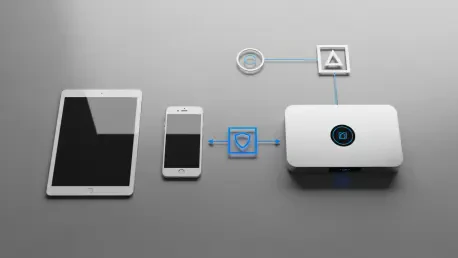

Modern domestic living has evolved far beyond the mere installation of internet-connected light bulbs or smart thermostats, transforming into a complex web of interconnected systems that require sophisticated orchestration to function effectively. In the current landscape, the emphasis has shifted from the hardware itself to the software layer that binds these disparate devices into a singular, responsive environment. Homeowners no longer seek isolated gadgets; instead, they demand a unified digital nervous system capable of managing climate, security, and lighting with minimal manual intervention. This transition has been fueled by the widespread adoption of universal standards, ensuring that various brands can finally communicate without the friction that defined earlier iterations of the industry. The result is a living space that anticipates needs rather than merely reacting to commands. As the complexity of these networks grows, the choice of a primary management application becomes the most critical decision in any smart home strategy, determining whether a residence feels like a sanctuary or a collection of technical hurdles. Centralization is now the gold standard, as users prioritize platforms that offer intuitive controls, robust security protocols, and the flexibility to scale as requirements grow.
Unified Ecosystems: The Power of Seamless Integration
Google Home remains a dominant pillar in the smart home architecture by providing a seamless bridge between a vast array of hardware and a user-friendly interface that feels natural to anyone accustomed to modern mobile operating systems. Its ability to aggregate devices from hundreds of manufacturers into a cohesive dashboard allows users to manage their entire property from a single screen, regardless of whether they are using an Android tablet or an iPhone. One of the platform’s most significant advancements is its sophisticated zoning capability, which enables homeowners to group devices by room or function and execute complex multi-device adjustments with a single tap or voice command. This level of integration is particularly valuable in large residences where managing individual sensors would be impractical. By leveraging its extensive cloud infrastructure, the application ensures that remote access is instantaneous and reliable, providing peace of mind to those who need to monitor their property while away. The platform’s strength lies in its simplicity, making it the primary choice for those who want their technology to work immediately without the need for extensive manual configuration or deep technical knowledge of network protocols.
The success of mainstream ecosystems is largely attributed to their ability to provide a consistent experience across diverse hardware types, from high-end climate control systems to basic smart plugs. This ubiquity has forced manufacturers to prioritize compatibility, leading to a market where the consumer is no longer locked into a single brand’s product line. Furthermore, the integration of predictive analytics within these apps allows the home to learn the patterns of its occupants, adjusting settings automatically to optimize energy consumption and comfort. For instance, a system might recognize when the house is empty and shift to a low-power mode, only to begin pre-heating or cooling the space as the residents approach their front door. This proactive management reduces the cognitive load on the user, shifting the smart home from a tool that requires constant attention to an invisible assistant that operates silently in the background. As these platforms continue to evolve, the focus remains on refining the user interface to ensure that even the most complex automation routines can be managed with minimal effort, maintaining a balance between high-level functionality and everyday accessibility.
Local Processing: Prioritizing Privacy and Data Security
While major cloud-based ecosystems offer convenience, a growing segment of users has turned toward Home Assistant to achieve absolute privacy and granular control over their domestic data. This open-source platform operates on a local-first philosophy, meaning that sensor data and device states never leave the physical walls of the house unless the user specifically chooses to export them. The sheer versatility of Home Assistant allows it to connect legacy hardware with the latest wireless standards, effectively acting as a universal translator for products that were never designed to work together. Recent updates have integrated advanced AI-driven assistants that simplify the once-daunting task of writing complex automation scripts, allowing non-programmers to create sophisticated logic based on environmental triggers. This shift has democratized high-level automation, giving users the power to build a truly bespoke living environment that is not beholden to any single corporate ecosystem. For the security-conscious homeowner, the ability to run the entire house on a local server represents the ultimate safeguard against service outages or data breaches, ensuring that the lights stay on even if the external connection fails.
The movement toward local control reflects a broader societal shift where individuals are increasingly protective of their digital footprints and the sensitive information generated within their private residences. By eliminating the reliance on third-party servers, homeowners mitigate the risks associated with company shutdowns or sudden changes in subscription terms that could render their hardware useless. This autonomy is particularly important as smart homes become more integrated with personal health data and daily routines, where the stakes for data privacy are significantly higher. Moreover, local processing often results in faster response times for devices, as commands do not need to travel to a distant data center and back before an action is performed. This reduced latency creates a more responsive and snappy feel to the automation, where a light turns on the very instant a motion sensor is triggered. The community-driven nature of these local platforms also ensures that security vulnerabilities are identified and patched quickly, often faster than proprietary systems. Ultimately, the choice to move away from the cloud is a choice for long-term stability and security, providing a robust foundation that remains under absolute control.
Logic Engines: Connecting Disparate Hardware Solutions
Bridging the gap between specialized services and physical hardware requires a logic engine that can navigate the nuances of diverse digital environments, and IFTTT continues to fulfill this role with remarkable efficiency. By utilizing conditional statements that trigger actions across different platforms, it allows for a level of cross-brand synergy that native applications often struggle to provide. For example, a homeowner can link a security camera from one manufacturer to a lighting system from another, ensuring that motion detection at the front door immediately illuminates the hallway. This capability transforms a collection of separate devices into a unified team that works toward the goal of safety and convenience. The platform’s extensive library of pre-configured applets has grown significantly, reflecting the creative ways users are integrating their digital lives with their physical surroundings. As the boundaries between web services and physical devices continue to blur, having a reliable logic bridge ensures that a single action can have meaningful consequences across the entire smart home landscape. This interconnectedness is essential for creating a truly automated experience where the technology disappears into the background.
The primary value of a logic-based bridge is its ability to break down the silos that have traditionally fragmented the smart home industry, allowing for a more fluid exchange of information between different ecosystems. This interoperability means that a user is no longer forced to choose a single brand for every device in their home, but can instead select the best tool for each specific job. Whether it is connecting an air purifier to a weather station app or syncing smart blinds with a personal calendar, the possibilities for customization are nearly limitless. This approach encourages innovation by allowing smaller startups to enter the market with specialized products that can easily integrate into an existing network. Furthermore, the use of these logic bridges enables the creation of human-centric automations that respond to the specific habits and needs of the occupants rather than following rigid, pre-set schedules. By focusing on the relationship between different actions and outcomes, these platforms allow the smart home to feel more like an extension of the resident’s intentions. As automation routines become more complex, the ability to orchestrate movements through a centralized logic engine remains a vital component.
Market Accessibility: Affordable Automation for Every Home
Financial accessibility remains a key driver in the widespread adoption of smart technologies, and Wyze has successfully positioned its application as a powerhouse for those seeking a comprehensive ecosystem without a massive investment. The app serves as a centralized hub for an impressively wide range of hardware, including high-definition cameras, climate sensors, and even robotic maintenance tools, all managed through a clean and responsive interface. What sets this platform apart is its ability to offer high-end features—such as person detection and automated scheduling—at a fraction of the cost typically associated with premium security brands. The application’s sharing features are particularly robust, allowing multiple family members to monitor and control different aspects of the home with customized permission levels. This approach has proven that sophisticated automation does not need to be an exclusive luxury; instead, it can be a standard feature of any modern apartment or house. By focusing on essential functionality and reliable performance, the platform has cultivated a loyal user base that values practical solutions over flashy, overpriced hardware, proving that the effectiveness of a smart home is determined by software.
The democratization of smart home technology has significantly lowered the barrier to entry, allowing renters and budget-conscious homeowners to enjoy the benefits of automation without the need for expensive professional installations. This shift is largely driven by applications that prioritize ease of setup and intuitive navigation, making it possible for anyone to build a functional security or lighting system in a matter of minutes. By offering a wide range of affordable sensors and controllers, these platforms enable a modular approach where users can start with a single camera and gradually expand their system as their needs and budget allow. This scalability is a crucial factor in the long-term adoption of smart technology, as it prevents users from feeling overwhelmed by high upfront costs. Additionally, the focus on community feedback has allowed these applications to evolve rapidly, incorporating new features and improvements based on the real-world experiences of their users. The result is a more inclusive technological landscape where the benefits of a connected home are available to a much broader segment of the population. As the market continues to mature, the focus on affordability and user-centric design will remain essential.
Professional Standards: Leveraging Advanced Hubs and Protocols
For the enthusiast who demands a premium, all-in-one solution, Homey has established itself as the gold standard for blending professional-grade hardware compatibility with an incredibly polished user interface. The platform’s unique Flow automation engine allows users to construct intricate logical sequences through a simple drag and drop or tap and go method, making complex household routines accessible to everyone. Unlike many other systems that require multiple bridges to communicate with different wireless standards, this ecosystem natively supports major protocols such as Matter, Zigbee, and Z-Wave. This broad compatibility ensures that a user can invest in the best hardware for every specific need—whether it is an ultra-precise motion sensor or a heavy-duty smart lock—without worrying about whether the devices will work together. The visual representation of these automations provides a clear overview of how the home is behaving, allowing for quick adjustments as seasonal needs or family schedules change. By focusing on a high-end, cohesive experience, the platform eliminates the frustration of technical workarounds, providing a stable and luxury-oriented foundation for a modern lifestyle that feels powerful and effortless.
The realization of a truly seamless smart home experience was finally achieved through a strategic combination of standardized protocols and advanced software orchestration. By prioritizing platforms that supported universal standards like Matter, homeowners were able to build diverse ecosystems that operated with unprecedented reliability and speed. The transition away from proprietary silos allowed for a more competitive marketplace where quality and user experience became the primary differentiators for manufacturers and developers alike. This shift also highlighted the importance of selecting software that offered long-term stability and the flexibility to adapt to new technological advancements. As the complexity of domestic automation grew, the most successful implementations were those that placed the user’s needs at the center of the design, ensuring that technology served as a helpful assistant rather than a source of frustration. The lessons learned during this period of rapid expansion provided a clear roadmap for future domestic developments, emphasizing the need for robust security, intuitive control, and broad compatibility. Ultimately, the successful automation of the modern home was less about the gadgets themselves and more about the intelligent software that brought them together.