
Split-screen mode on Android enables users to monitor a live video feed while simultaneously composing a text message or navigating a map. This fundamental capability reflects a design philosophy centered on functional versatility and user agency that continues to distinguish the platform from its primary competitor. While Apple has made strides in adding multitasking features to iPadOS, the implementation on iPhone remains significantly more restricted compared to the robust windowing and split-view systems found in the Android ecosystem. Beyond simple screen splitting, the platform provides a level of operational transparency that allows power users to engage with the underlying file system and peripheral hardware in ways that feel restricted on other mobile operating systems. Modern mobile productivity often demands these high-level interactions, as smartphones increasingly serve as primary computing devices. The ability to run two active applications side-by-side without pausing provides a desktop-like experience. This flexibility fosters an environment where innovation flourishes without the rigid constraints of a singular, closed-loop system.
1. Freedom of Customization and System Access
One of the most enduring advantages of the Android platform lies in the profound level of aesthetic and functional customization available through third-party launchers and icon packs. Unlike the relatively uniform interface of iOS, Android allows users to completely replace the home screen experience with specialized software like Nova Launcher. These tools enable the reconfiguration of gesture controls, grid sizes, and even the fundamental behavior of the application drawer, catering to specific accessibility needs or professional workflows. In 2026, this capability has evolved into sophisticated dynamic themes that adapt based on the time of day or geographic location. Users are not merely choosing a wallpaper; they are defining the logic by which their device operates. This deep level of integration extends to system fonts and animation speeds, providing a bespoke environment that reflects the unique preferences of the owner. Such granular control remains a cornerstone of the platform’s appeal for those who view their smartphone as a personal extension of their identity rather than a standardized product.
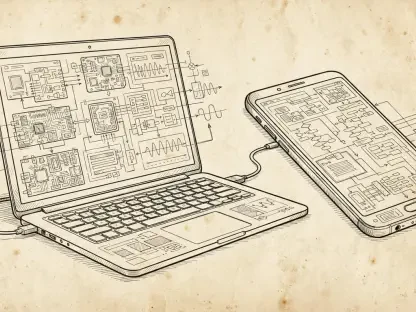
Building on this foundation of openness, the Android operating system provides comprehensive access to the internal file system, functioning much like a traditional computer rather than a locked appliance. This transparency allows for the effortless transfer of documents and complex data structures through a simple USB connection or dedicated file explorer applications. While Apple has introduced the Files app, it often acts as a gatekeeper rather than a direct bridge to the hardware’s storage partitions. Android users can manage directories, create deep folder hierarchies, and even interact with hidden system caches to optimize performance. Furthermore, the ability to sideload applications from external repositories remains a defining characteristic of the platform, enabling developers to distribute software without navigating the stringent approval processes of a store. This openness encourages a diverse software market where specialized enterprise tools and niche utilities can thrive. The technical freedom to install specific versions of an application ensures that the user maintains ultimate sovereignty over the software running on their private hardware.
2. Advanced Multitasking and Strategic Implementation
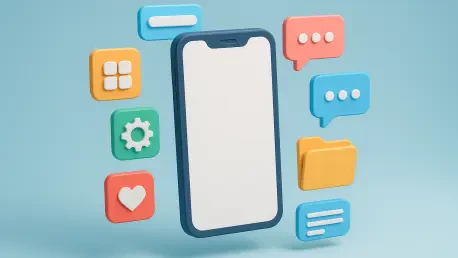
Advanced multitasking capabilities extend far beyond basic split-screen layouts, incorporating features such as chat bubbles and sophisticated picture-in-picture modes that maintain workflow continuity. Chat bubbles allow users to keep ongoing conversations accessible as floating overlays, enabling quick replies without exiting the primary application. This approach to notification management minimizes cognitive friction during high-intensity tasks, such as participating in a remote meeting while reviewing technical documentation. Additionally, Android supports multiple user profiles on a single device, a feature that is particularly valuable for shared tablets or for individuals who wish to strictly segregate their work and personal digital environments. Each profile maintains its own set of applications, settings, and biometric data, ensuring that sensitive corporate information remains isolated from personal accounts. This architectural flexibility provides a robust solution for the modern professional who requires a versatile tool capable of pivoting between disparate use cases without compromising security or organization.
Reflecting on the divergence between mobile operating systems, the analysis highlighted how Android’s architectural openness provided significant advantages for users seeking high-performance productivity. The focus remained on the practical benefits of system transparency, which allowed for a more tailored and efficient experience. To maximize these benefits, users were encouraged to explore alternative launchers and file management tools that unlocked the full potential of their hardware. For organizations, the implementation of multi-user profiles and robust peripheral support offered a clear path toward more secure and versatile mobile workforce strategies. Looking ahead from 2026 to 2028, the continued evolution of these features pointed toward a future where the boundary between mobile and desktop computing became increasingly blurred. It was determined that the strategic selection of software environments based on specific functional requirements led to superior technological outcomes. By prioritizing interoperability, the ecosystem established a standard for digital freedom that challenged the industry to move away from restrictive, proprietary models.