
The recent discovery of a critical vulnerability within the core telephony infrastructure of the Android operating system has sent shockwaves through the cybersecurity community and highlighted the fragility of mobile network stability. This flaw, popularly dubbed the "SMS of Death" by security

The digital landscape has transitioned from a space of relatively benign commercial interaction into a sophisticated battleground where the infrastructure of online advertising is now a primary vector for state-sponsored and mercenary-led cyber espionage. This evolution is characterized by the

The global memory crisis is expected to persist through 2027, preventing vendors from offering the promotional discounts necessary to stimulate new demand. This industrial bottleneck has contributed to a historic slump in the third quarter of 2026, where global smartphone shipments plummeted to

The lack of future security patches means that sensitive health and personal data stored on older watches may become increasingly vulnerable to evolving cyber threats. This reality has become the focal point of discussion as Samsung prepares to roll out its latest software iteration, One UI 9

Manual intervention in the App Info page is often required to ensure background data permissions are enabled for messaging services on Android. This common frustration for smartphone users occurs when the operating system prioritizes battery preservation or data savings over real-time
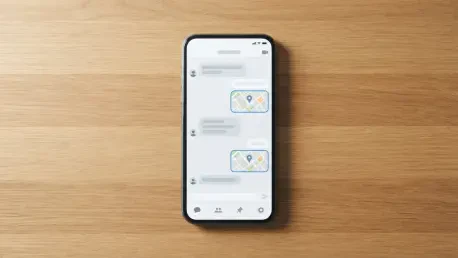
Mobile users often struggle with the friction of copying and pasting contact details, a challenge addressed by this new contextual menu system. In a fast-paced digital environment where communication happens across dozens of threads simultaneously, the need for efficiency has never been greater.