
The release of the Pixel 2 and 2 XL solidified Google's reputation for image processing through the introduction of the visually striking black-and-white Panda aesthetic. This specific design language signaled more than just a stylistic choice; it represented a bold departure from the industrial,
One UI 9 decouples the sound button from the volume slider in the Quick Panel, granting users finer control over their device's audio output without navigating deep into menus. This enhancement is part of a broader software rollout targeting the latest Galaxy S26 handsets that hit the market

The landscape of mobile computing in 2026 has been defined by a relentless push toward localized artificial intelligence, and Samsung has emerged as a primary architect of this new paradigm. While the external industrial design remains largely iterative, the internal architecture of the S12 series

The inclusion of advanced Gemini AI features may offer novelty, but these tools struggle to compensate for the fundamental lack of a robust, native desktop software library. As the hardware market evolves in 2026, the transition from the legacy ChromeOS framework to the more robust Googlebook OS
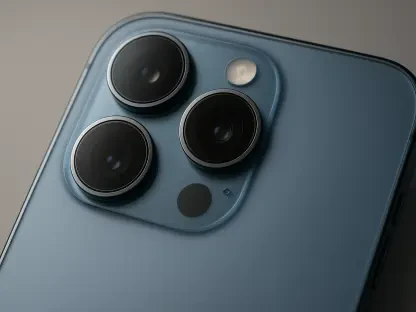
By reducing the physical footprint of the camera array, Samsung can better accommodate the thermal and power demands of its next-generation image processor. The release of the Galaxy S27 Ultra represents a profound shift in how the industry perceives mobile photography, moving away from the

System updates and resource-heavy applications can eventually cause even a reliable budget smartphone to stutter during simple navigation tasks. For many users, this performance degradation starts as a minor annoyance, such as a slight delay when opening the notification shade or a brief pause