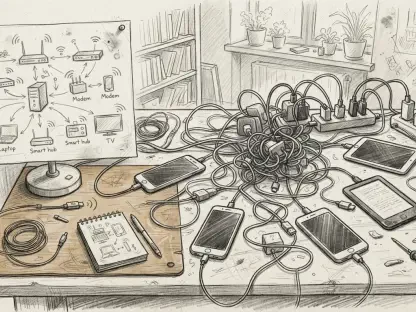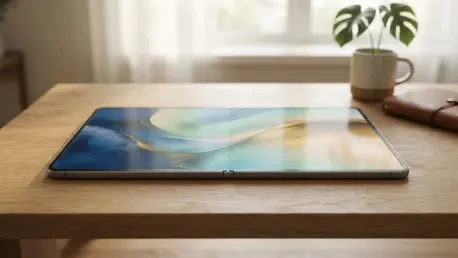
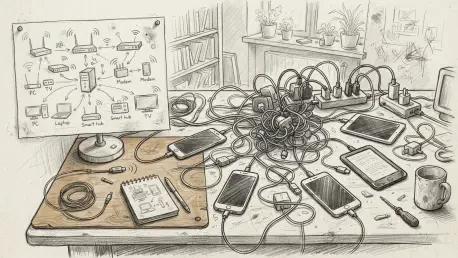
Introduction Navigating the complexities of modern device management often reveals a startling paradox where a professional IT administrator overseeing thousands of workstations has more control and less stress than a parent trying to keep four iPhones updated within a single household. While
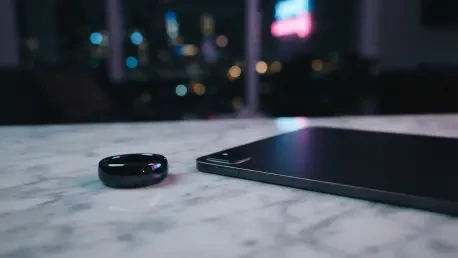
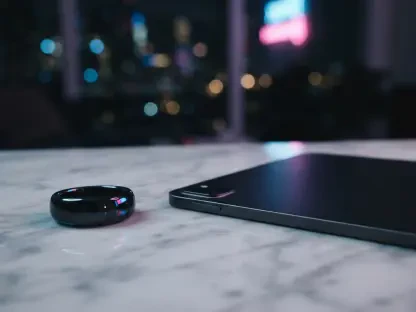
A tap-and-hold gesture on the Modstrip simplifies the process of switching active connections between various paired devices like laptops and smart television sets. This level of seamless integration marks a departure from the conventional dependence on physical docking stations or manual Bluetooth
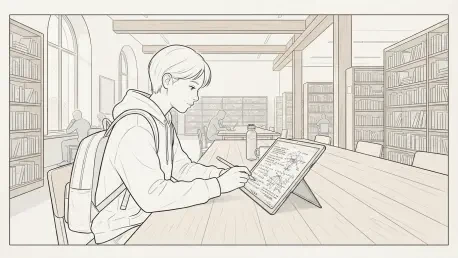
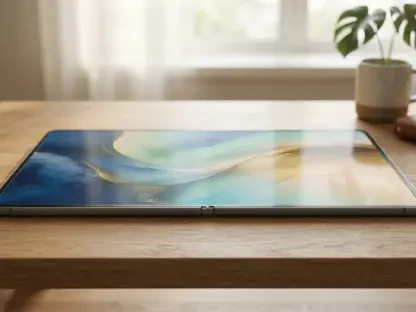
New foldable devices are beginning to blur the lines between mobile categories, yet tablets still command a significant lead in screen real estate for immersive media consumption. While high-end smartphones in 2026 feature incredibly dense pixel counts and advanced panel technologies, the physical
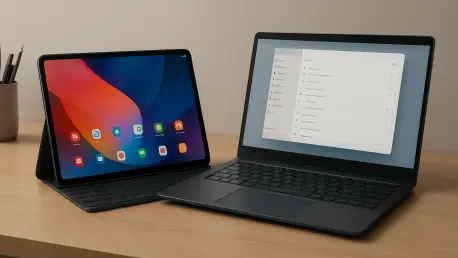
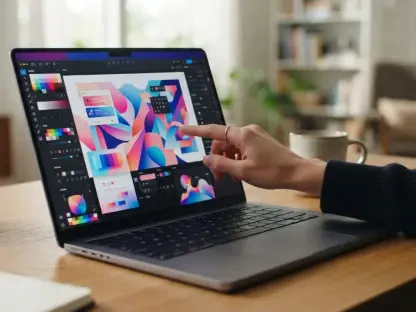
Advanced AI-driven media editing tools now allow for sophisticated photo and video manipulation directly on the tablet without the need for external processing power. This technological leap reflects a broader shift in how professionals view mobile hardware in 2026. For years, the tablet was seen
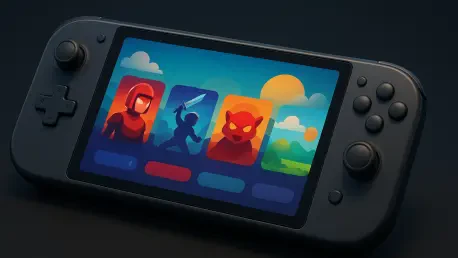
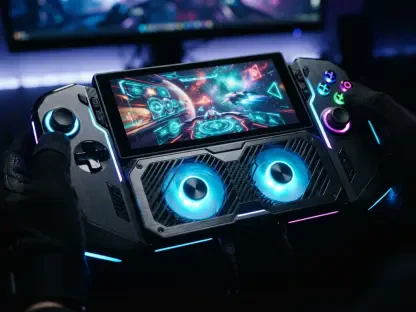
The requirement for a constant internet connection often limits the portability of the Steam Deck, making the ability to run Game Pass titles offline a critical priority for the community. For years, players attempting to merge the flexibility of Linux with Microsoft’s expansive gaming catalog
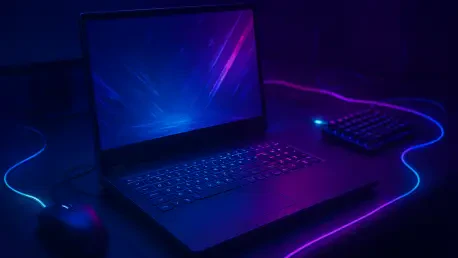
Professional video editors and color graders can leverage the 500 nits of peak brightness and 2.5K resolution provided by the ROG Nebula HDR screen for color-accurate production. This capability marks a significant departure from traditional gaming laptops that often prioritize raw speed over
1 2 3 4 5 6 7 8 9 10 11 12 13 14 15 16 17 18 19 20 21 22 23 24 25 26 27 28 29 30 31 32 33 34 35 36 37 38 39