
High-performance computing enthusiasts have long searched for a machine that balances the flexibility of open-source software with the premium aesthetic usually reserved for proprietary ecosystems. By 2026, the landscape of professional hardware has shifted dramatically, moving away from the era of

The introduction of the MacBook Neo has fundamentally disrupted the traditional hierarchy of the personal computing market by offering professional-grade silicon at a price point previously reserved for compromise-heavy hardware. This device represents a calculated evolution of Apple’s ecosystem,

Apple’s ongoing integration of generative intelligence into the macOS ecosystem has reached a critical juncture with the upcoming release of macOS 27, sparking intense speculation about the fate of traditional interface elements like the formatting toolbar in Mail. For years, users have relied on
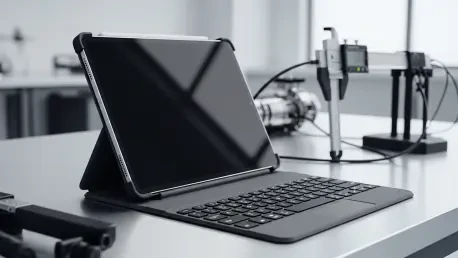
The hardware parity between mobile tablets and traditional workstation laptops has reached a point where the distinction is largely academic for the majority of modern professionals. High-performance silicon and sophisticated thermal management now allow these slim devices to handle intensive tasks
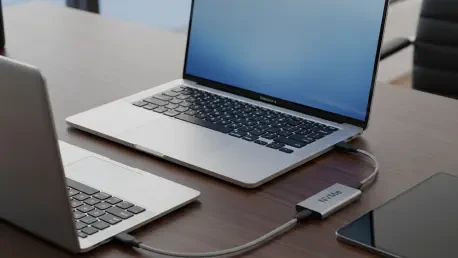
The global technology market is currently navigating a period of unprecedented price volatility as the insatiable demand for artificial intelligence hardware continues to put immense pressure on the international semiconductor supply chain. This specific economic climate in 2026 has transformed the
The long-anticipated evolution of digital companionship has reached a pivotal milestone as Apple unveils a complete architectural overhaul that transforms Siri from a simple voice-activated command receiver into a sophisticated generative intelligence system. This transition represents a