Modern mobile computing has reached a point where smartphones serve as the primary interface for both professional obligations and personal management, making any technical disruption a significant hurdle. Persistent application failures on Android devices often stem from buggy software updates
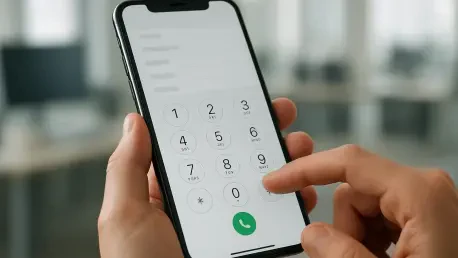
T9 technology originally revolutionized mobile communication by utilizing an internal dictionary to guess intended words based on a single press for each letter. This specific method of input, which defined the user experience for millions during the era of physical keypads, has recently re-emerged
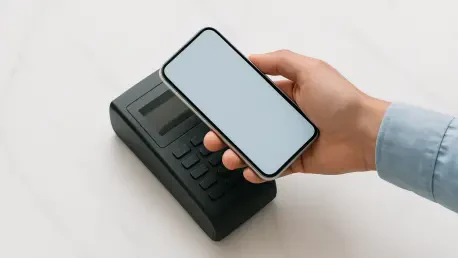
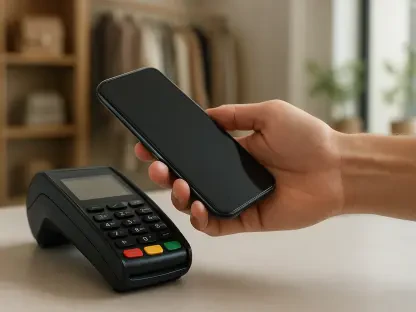
The implementation of tokenization through Google Pay ensures that sensitive credit card numbers are never shared directly with the merchant during a transaction. This transition marks a fundamental shift from a closed ecosystem to a customer-centric model, acknowledging that shoppers now prefer

Earlymobilecommunicationrequiredindividualstocarryloosequartersandhuntforpublicpayphonesjusttorespondtoasimplethreedigitcodeonanumericpager. This specific one-way loop defined the late twentieth-century mobile experience, where the arrival of a "beep" acted as a summons to find a tethered

Singapore’s strategy focuses on harnessing the benefits of technological innovation while proactively managing the disruptions caused by problematic social media use. As smartphone penetration among teenagers reaches near-universal levels, the government has recognized that digital saturation is no
Special app access settings allow certain background services to read every incoming message and alert displayed on the status bar in real-time. This level of oversight often operates quietly in the background, ostensibly to provide convenience or sync notifications across multiple devices.