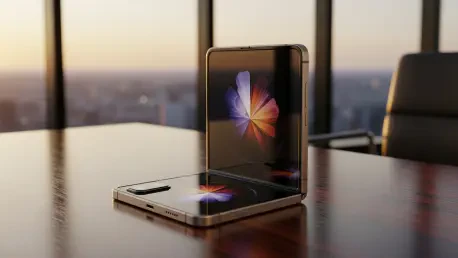
The arrival of the Samsung Galaxy Z Fold8 marks a definitive end to the era of the tall and narrow "remote control" form factor that has defined the foldable market since its inception. For years, users have voiced concerns regarding the cramped external displays that made simple tasks like texting

The smart home industry has historically struggled with a lack of cohesion, where homeowners often find themselves forced to manage a chaotic assortment of hubs and incompatible protocols just to operate simple lighting or security systems. This fragmentation created a significant barrier for
The persistent quest for a functional and privacy-oriented alternative to the mainstream mobile operating system duopoly has reached a significant milestone with the latest software advancements. As the digital landscape becomes increasingly centralized, the emergence of Ubuntu Touch 24.04-2.0
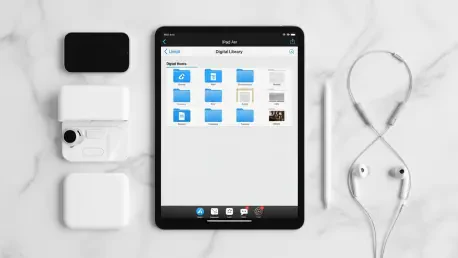
The digital landscape of modern literacy has evolved to a point where the distinction between a dedicated reading device and a high-performance tablet is no longer a matter of simple preference, but a strategic decision based on personal workflow. While dedicated e-ink devices like the Kindle
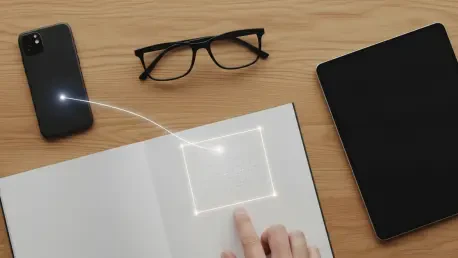
The transition from a reactive command-response system to a proactive generative partner represents the most significant architectural shift in mobile computing since the original introduction of the smartphone interface. For years, digital assistants operated within the narrow confines of
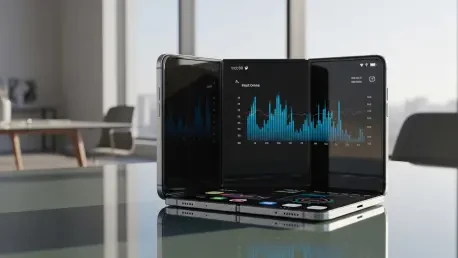
The transition from static glass slabs to dynamic, multi-folding surfaces has fundamentally altered how professionals engage with digital content while on the move, marking a significant departure from traditional mobile constraints. With the official release of the Samsung Galaxy Z TriFold, the