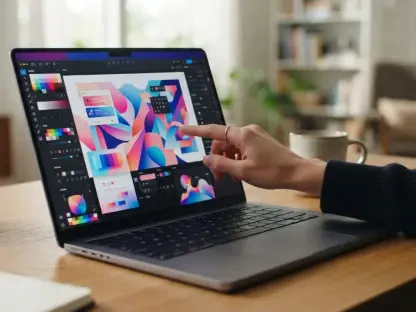
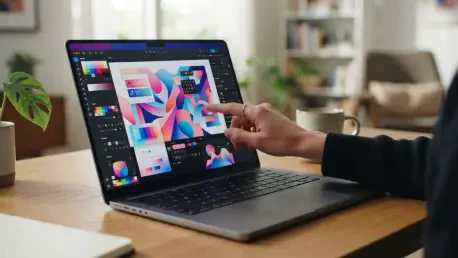
The move toward touch-sensitive displays reflects a recognition that modern computing habits have become more fragmented and task-oriented than in years past. For nearly two decades, the laptop market has been bifurcated by a rigid distinction between mobile tablets and traditional workstations,
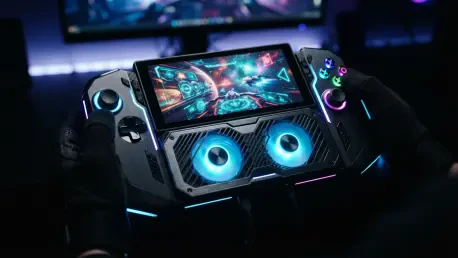
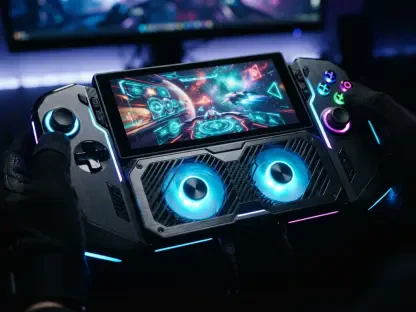
Windows 11 functions as the fail-safe option for gamers who need maximum software compatibility across a diverse library of multiplayer titles. Despite the rapid evolution of handheld-specific operating systems, the broader gaming industry continues to lean heavily on the Windows architecture for

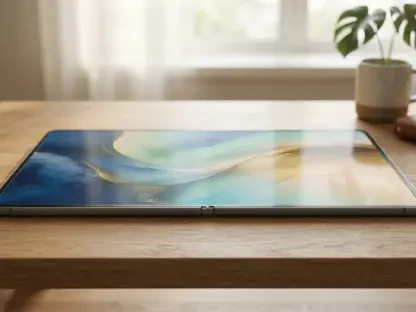
The evolution of mobile browsing has reached a pivotal junction with the release of Safari 27.1, which introduces specialized support for the unique hardware requirements of the iPhone Duo. As the industry moves away from rigid, single-screen designs toward a more flexible hardware paradigm, the

A significant technical safeguard in the new Gemini update restricts the system to personal Google accounts while excluding enterprise and educational data for security reasons. This strategic decision ensures that sensitive corporate data remains behind professional firewalls while users interact

The decision to power the HomeView with a modified version of CarPlay instead of a dedicated homeOS has raised questions about the device's long-term software capabilities. This move marks a significant departure from expectations that the tech giant would launch a full-scale homeOS to unify its

The new ProArt lineup supports an open integration platform for developers, enabling the use of solutions like ComfyUI and Hermes Agent to build complex, cross-platform AI goals. As the creative landscape in the Philippines shifts toward decentralized production, ASUS has introduced a hardware
1 2 3 4 5 6 7 8 9 10 11 12 13 14 15 16 17 18 19 20 21 22 23 24 25 26 27 28 29 30 31 32 33 34 35 36 37 38 39 40 41 42 43 44 45 46 47 48 49 50 51