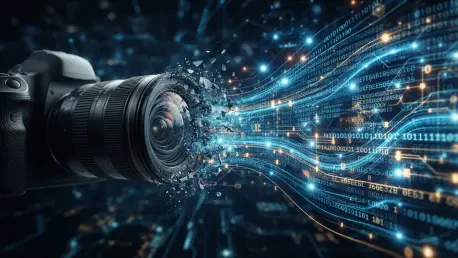

Aggressive algorithmic processing often blurs the line between capturing a real moment and generating a digital interpretation of reality. For over a century, the quality of a photograph was defined strictly by the physical properties of a camera, such as the size of the glass lens and the precision of the mechanical shutter. Today, the world is witnessing a monumental shift where the constraints of physics are being bypassed by the power of computer science and high-speed silicon. This evolution, known as computational photography, represents the most significant change in the industry since the move from film to digital sensors. In the modern era, a camera does not merely record light; it calculates what an image should look like based on massive datasets and real-time environmental analysis. When a user presses the shutter button on a contemporary smartphone, the device does not capture a single static frame. Instead, it captures a burst of multiple exposures in a fraction of a second. An onboard neural processing unit then analyzes these frames to identify differences in motion and light, merging the data to create a final product that often exceeds the physical capabilities of the hardware. This shift has democratized high-end imaging, making it possible for casual users to produce results that once required expensive gear and years of technical expertise.
The Necessity of Innovation in Mobile Imaging
The rise of software-driven imaging was born out of necessity rather than a simple desire for digital convenience. Consumers consistently demand sleek, pocket-sized devices with edge-to-edge screens, which leaves virtually no room for the bulky sensors and complex optical systems found in professional mirrorless or DSLR gear. To bridge this physical gap, engineers have pivoted their research and development efforts away from traditional optical engineering and toward deep-level software optimization and artificial intelligence. This transition has allowed manufacturers to compensate for small apertures and tiny pixel sites by using raw computing power to synthesize high-quality data from noisy, low-light environments. As a result, the industry has seen a massive influx of investment into custom image signal processors that can handle billions of operations per second, effectively turning a thin piece of glass into a powerful optical instrument through the sheer force of mathematics and predictive modeling.
Low-light photography was historically the greatest weakness for small cameras, often resulting in grainy, dark, and unusable images that failed to capture the mood of a scene. Computational “Night Mode” solves this by taking multiple short exposures and using sophisticated algorithms to align them with pixel-perfect precision. This process corrects for the natural handshake of a human operator and uses advanced denoising techniques to recover hidden details from deep shadows without blowing out the highlights. By analyzing the temporal data across several frames, the software can distinguish between actual light information and digital noise, allowing a mobile device to produce a vibrant, clear photo that reveals more than the human eye can see in person. This capability has fundamentally changed how people interact with their environments, as the limitations of time and lighting conditions no longer serve as barriers to documenting life, essentially making the “golden hour” a permanent fixture of digital photography.
Simulating Professional Hardware Through Software
High Dynamic Range (HDR) technology is another critical area where software significantly outperforms traditional hardware in high-contrast environments. When a scene features both bright sunlight and deep shadows, traditional sensors often struggle to capture the full spectrum of light, leading to “clipped” highlights or muddy shadows. Modern algorithms overcome this by blending different exposures in real-time to capture every nuance of the scene. By merging an underexposed frame for the sky and an overexposed frame for the shadows, the software creates a balanced image that replicates the natural range of human vision more accurately than a single RAW file from a professional camera often can. This process involves complex tone mapping that ensures the transition between light and dark looks natural rather than artificial, providing a level of detail in the clouds and the shadows that was previously impossible without extensive post-processing in a digital darkroom.
One of the most popular and sought-after features in modern photography is the “bokeh” effect, which creates a sharp subject against a softly blurred background. While professional cameras achieve this through specialized, wide-aperture lenses that physically narrow the depth of field, smartphones simulate the effect by using artificial intelligence to map the three-dimensional depth within a scene. These systems use semantic segmentation to identify the subject—down to individual strands of hair or the edges of a pair of glasses—and then mathematically generate a gaussian or lens-style blur for the surrounding environment. This provides a convincing approximation of expensive professional equipment that would otherwise be too heavy and expensive for the average consumer. By continuously refining these depth maps with machine learning, manufacturers have reached a point where the distinction between optical blur and digital blur is becoming increasingly difficult for the untrained eye to spot.
Artificial Intelligence as an Active Interpreter
Modern camera systems are no longer passive observers of the world; they act as active interpreters that make qualitative decisions about every scene they encounter. Through real-time scene recognition, a camera can identify whether it is looking at a vast landscape, a family pet, or a human face during a wedding. Once the subject is identified, the AI automatically adjusts parameters like color saturation, local contrast, and skin texture to produce the most aesthetically pleasing version of the scene. For example, if a camera detects a plate of food, it might boost the warm tones and sharpen the textures to make the meal look more appetizing. This represent a major shift in the creative process, as the machine now shares the responsibility of artistic direction with the person holding the device, aiming for an idealized version of reality that matches popular social media aesthetics and cultural preferences for bright, punchy imagery.
Artificial intelligence also plays a critical role in the evolution of image reconstruction and digital zoom capabilities. Since physical optical zoom requires moving parts and significant barrel length that do not fit in a thin phone, AI models are trained on millions of high-resolution images to predict what missing details should look like when a user crops in on a subject. This process goes far beyond simple pixel interpolation; it involves the neural network literally “filling in the blanks” to maintain image sharpness and clarity at 10x or even 100x magnification. This technology blurs the line between capturing a moment and digitally recreating it, as the software is essentially painting in the details of a bird’s feathers or a distant sign based on its training data rather than the actual light reflected from the object. This capability has extended the reach of mobile photography into the realms of wildlife and sports, areas that were once the exclusive domain of professional photographers with massive telephoto lenses.
Philosophical Shifts and the Ethics of Reconstruction
As software becomes the dominant force in imaging, the very definition of a camera is changing from a piece of optical equipment to a computer that happens to take pictures. Smartphone manufacturers and even traditional camera companies now prioritize custom AI chips and neural networks over traditional glass research and shutter mechanisms. This shift suggests that the future of the medium lies in the hands of software developers and data scientists as much as it does in the hands of optical engineers. The hardware is increasingly seen as a data collection tool that provides the “raw ingredients” for the software to cook into a final image. Consequently, the performance of a camera is now measured by its TOPS (tera-operations per second) and the sophistication of its machine learning models rather than just its megapixel count or lens quality, marking a total transformation in the economics of the photography industry.
However, this rapid transition introduces complex new concerns regarding the authenticity and “truth” of a photograph in a world where images are easily manipulated. As algorithms become more aggressive in enhancing colors, removing unwanted objects, and generating synthetic data to fill in gaps, the resulting image may move significantly further away from reality. There is also a growing critique of the “smartphone look,” where excessive sharpness, artificial brightness, and aggressive HDR can strip away the unique character and natural flaws that many photographers value in traditional film or raw digital files. The loss of subtle grain and organic light fall-off has led some to question if these computed images still count as “photography” or if they should be classified as a new form of digital art. This tension between convenience and authenticity remains a central debate among professionals who worry that the “perfect” AI image lacks the emotional soul of a traditionally captured moment.
Developing a Strategic Approach to Synthetic Media
The evolution of computational imaging necessitated a new framework for how professionals and hobbyists alike approached the craft of capturing the world. From 2026 to 2028, the industry shifted its focus toward the ethical integration of generative features, ensuring that the enhancements provided by AI remained grounded in the original intent of the photographer. It became clear that the most effective use of these tools was not to replace the reality of a scene, but to remove the technical barriers that previously prevented a vision from being realized. Photographers who embraced these advancements found themselves able to focus more on composition and narrative, leaving the technical heavy lifting of exposure and focus to the onboard intelligence. This transition required a deep understanding of how specific algorithms interpreted light, leading to a new type of technical literacy that combined traditional art theory with modern data science.
To navigate this landscape, users were encouraged to maintain a high level of transparency regarding the level of intervention used in their work. The development of standardized metadata protocols helped distinguish between a minimally processed capture and a fully synthetic reconstruction, preserving the integrity of photojournalism while allowing creative fields to flourish. Actionable steps involved utilizing professional-grade applications that allowed for the toggling of specific AI features, giving the user final say over how much “interpretation” was applied to their files. This balanced approach ensured that the camera remained a tool for human expression rather than a black box that dictated the final aesthetic. By mastering the synergy between advanced optics and intelligent software, the photographic community successfully moved into an era where the image was both a record of a moment and a testament to the incredible possibilities of modern computational power.