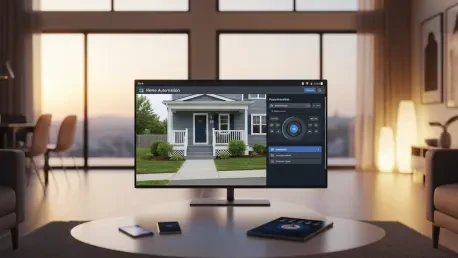

The rapid evolution of residential automation has transformed the traditional television from a simple broadcast receiver into a sophisticated command center for the entire modern household. A TCL Google TV now functions as more than just an entertainment hub; it serves as a central nervous system that bridges the gap between streaming content and smart home management. By integrating the Google Home ecosystem directly into the interface, users are able to monitor security cameras, adjust lighting, and control climate settings without ever leaving their couch. This convergence of hardware and software simplifies the user experience, eliminating the need for multiple apps or bridge devices that often clutter the digital landscape. As smart homes become increasingly complex, the ability to centralize control within the largest screen in the house provides a level of accessibility and convenience that was previously unattainable. This transition represents a significant milestone in how individuals interact with their living spaces, turning the living room into a high-tech operations center.
1. Configuring the Integrated Smart Home Hub
Initiating the transformation of a TCL Google TV into a smart home controller requires a stable connection to the existing Google Home ecosystem via a primary user account. Once the television is powered on and connected to the local network, navigating to the settings menu allows for the synchronization of the Google Assistant and the Home Panel interface. This process ensures that every compatible IoT device, ranging from smart plugs to advanced security sensors, is recognized by the television’s operating system. The efficiency of this integration is largely dependent on ensuring that all devices are assigned to specific rooms within the Google Home mobile application beforehand. By doing so, the TV can categorize controls logically, allowing the user to pull up a side panel that displays the status of every connected appliance in real-time. This level of preparation is crucial for a seamless experience, as it allows the Google Assistant to execute complex commands with minimal latency, providing an immediate response to user inputs.
Beyond basic toggles, the TCL Google TV leverages Matter compatibility to ensure a future-proof environment that supports a wide array of cross-platform smart devices. Users can utilize the dedicated Home Panel to view live feeds from doorbells or security cameras, which often appear in a picture-in-picture format so that the viewing experience remains uninterrupted. This functionality is particularly useful during live broadcasts or movies, where a quick check on the front door or a nursery monitor can be performed with a few clicks of the remote. Furthermore, the inclusion of Hands-Free Voice Control on many TCL models allows residents to issue commands to the television from across the room without needing the physical remote. This voice functionality enables users to dim the lights or lock the doors while their hands are occupied, truly leaning into the hands-off nature of modern automation. The interface is designed to be intuitive, presenting the most used controls at the top of the menu to minimize the time spent navigating away.
2. Optimizing Automation and Future Use Cases
The successful implementation of these smart home features on the TCL Google TV platform established a new standard for home theater utility and environmental control. Owners who adopted this centralized approach discovered that the convenience of managing an entire property from a single screen significantly reduced the friction of daily household routines. By setting up customized routines, the television automated sequences like lowering the blinds and turning on the soundbar simultaneously when the evening began. This integration proved that the television could act as a robust alternative to dedicated smart displays, offering a larger canvas for monitoring complex home data. Moving forward, keeping the system firmware updated remained the most effective way to ensure ongoing compatibility with the latest security protocols and new device categories. The transition toward this unified control scheme simplified the digital life of the user and maximized the potential of the existing hardware.
To maintain peak performance, advanced users often performed periodic audits of their connected device list to remove ghost entries that caused latency within the Google Home Panel. This proactive maintenance ensured that the voice recognition software accurately identified commands without confusing similar-sounding device names or room locations. Additionally, exploring the synergy between the television and third-party smart sensors allowed for the creation of sophisticated environmental triggers, such as adjusting the backlight based on ambient room brightness. These granular adjustments contributed to a more immersive and energy-efficient viewing environment, reflecting a deeper level of integration than standard configurations provided. Ultimately, the use of the TCL Google TV as a primary interface demonstrated the power of the modern smart home ecosystem when hardware and software were aligned. The ability to control a vast array of devices from one central location effectively streamlined the user experience and set a precedent for future developments.