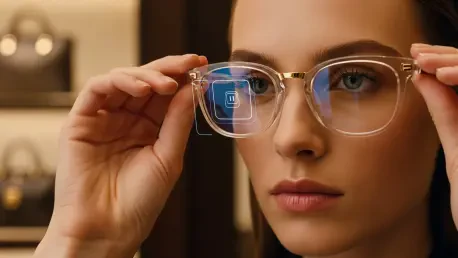

The transition of augmented reality from a specialized industrial tool to a ubiquitous fashion accessory has reached a critical tipping point as the industry moves away from bulky headsets toward sleek, designer eyewear. While early iterations of smart glasses were often criticized for their cumbersome silhouettes and technical aesthetics, the current landscape focuses on a style-first philosophy that prioritizes how a person looks while wearing the device over the raw computational power housed within the frames. This shift is not merely a cosmetic update but a fundamental reimagining of the relationship between human identity and digital interfaces, where the hardware must disappear into the user’s personal wardrobe to gain widespread social acceptance. As major technology conglomerates and storied European fashion houses merge their expertise, the result is a new category of consumer electronics that functions as both a high-performance computer and a status symbol, effectively bridging the gap between Silicon Valley utility and Parisian luxury.
The Convergence of High Fashion and Spatial Computing
Luxury Partnerships and the Retail Revolution
The landmark partnership between Gucci and Google, finalized in April 2026, serves as a definitive case study in how luxury branding can sanitize and elevate complex technology for the mass market. By integrating Google’s advanced waveguide displays into Gucci’s signature oversized frames, the collaboration has transformed AR glasses into a staple of high-end boutiques rather than electronics stores. This move bypasses the traditional tech enthusiast demographic, instead targeting the “runway-to-retail” consumer who values the exclusivity and aesthetic heritage of a brand over the technical specifications of a processor. These devices are now positioned alongside leather goods and jewelry, signaling to the public that wearable technology is no longer an experimental hobby but a legitimate lifestyle choice. This retail strategy relies on the emotional connection consumers have with luxury labels, leveraging that trust to overcome the initial hesitation many feel when adopting camera-equipped hardware.
Furthermore, this synergy allows fashion houses to dictate the ergonomic standards that tech companies previously ignored, ensuring that the hardware accommodates various facial structures and skin tones with elegance. When a consumer enters a flagship store to purchase these glasses, the experience is curated to emphasize the craftsmanship of the acetate and the precision of the lenses, with the digital features presented as an invisible benefit. This approach has successfully redefined the “smart” aspect of the hardware as a sophisticated layer of personal assistance that enhances the shopping and social experience without the social stigma of “glassholes” that plagued earlier attempts. By treating AR as a standard product category within the luxury ecosystem, these brands are effectively training the market to view head-worn displays as a natural extension of one’s personal style, paving the way for a future where digital overlays are as common as a designer handbag.
Apple’s Multi-Design Strategy and Form Factor Evolution
In a departure from its historical tendency to release a single, definitive version of a new product category, Apple has introduced a diverse range of four distinct smart-glass prototypes to better address the varied needs of its global user base. This strategic pivot acknowledges that a one-size-fits-all approach is insufficient for an item that is worn on the face, where millimeter-level differences in bridge width or temple length can determine whether a device is comfortable or intolerable. By testing different form factors—ranging from minimalist titanium wireframes to more substantial, classic horn-rimmed styles—Apple is seeking the optimal balance between battery density, thermal management, and daily wearability. This experimental phase is crucial for identifying which shapes resonate with specific demographics, allowing the company to refine its optics and haptics for a product line that prioritizes ergonomic versatility over a singular, rigid design language.
This evolution in hardware development also reflects a deeper understanding of the physical constraints inherent in long-term AR usage. Rather than packing every possible sensor into a single frame, these varied designs allow for a tiered ecosystem where some glasses are optimized for lightweight notification management while others offer more robust spatial mapping capabilities for professional environments. This granular approach ensures that the hardware does not become a burden during a long commute or a full workday, addressing one of the most significant barriers to mainstream adoption: physical fatigue. As these prototypes move into broader testing, the focus remains on making the technology feel weightless and unobtrusive, ensuring that the user remains present in the physical world while enjoying the benefits of a digital overlay. This commitment to design diversity is likely to set a new industry standard, forcing competitors to move beyond the monolithic “black box” design of the past decade.
Overcoming Barriers to Mainstream Adoption
Navigating the Privacy and Social Acceptance Minefield
Despite the aesthetic advancements, the integration of high-resolution cameras and microphones into everyday eyewear continues to provoke significant discussions regarding data privacy and social etiquette. Manufacturers like Meta have attempted to mitigate these concerns by introducing more prominent recording indicators and hardware-level privacy shutters, but the public remains cautious about the implications of constant surveillance. The success of AR hardware in 2026 depends heavily on the industry’s ability to demonstrate that these devices are not just passive data collectors but active tools for personal empowerment. Establishing clear “opt-in” zones and developing transparent data-handling protocols are essential steps in building the necessary trust for users to feel comfortable wearing these devices in sensitive social settings, such as restaurants or private homes.
Moreover, the challenge of social friction extends to the user experience itself, where the interface must be subtle enough not to distract the wearer or alienate the person they are speaking to. Modern AR operating systems are now being designed with “social awareness” features that automatically dim notifications or pause digital content when the hardware detects a face-to-face conversation. This technological etiquette is vital for ensuring that the hardware enhances human interaction rather than creating a digital wall between individuals. As the UX matures, the focus is shifting toward “glanceable” information that requires minimal eye movement, reducing the glassy-eyed look that once characterized early headset users. By prioritizing these subtle behavioral cues, hardware designers are working to ensure that AR becomes a socially seamless addition to the human experience, rather than a disruptive intrusion into the physical world.
The Price Gate and the Value of Practical Utility
While the allure of a Gucci-branded headset or an Apple-designed frame is undeniable, the ultimate hurdle for mass-market penetration remains the “price gate” and the perceived utility of the device. High-end AR glasses currently command a premium that rivals professional-grade laptops, making it imperative for manufacturers to justify the cost through tangible, daily benefits. It is no longer enough for the hardware to be a novelty; it must provide essential functions such as real-time language translation, advanced navigation, or hands-free professional assistance that a smartphone cannot easily replicate. For the average consumer, the decision to invest in AR hardware is a calculation of whether the convenience of a head-up display outweighs the financial cost and the requirement of maintaining yet another battery-powered device.
To address this, developers are focusing on creating “sticky” applications that integrate deeply with existing digital ecosystems, ensuring that the glasses become the primary interface for music, messaging, and health tracking. The goal is to move beyond short-form interactive demos and toward a comprehensive suite of tools that make the hardware indispensable for both work and play. As production scales and the cost of specialized components like micro-LED displays and custom silicon begins to drop, the entry price is expected to normalize, but for now, the market is defined by early adopters willing to pay for the prestige of the latest fashion-tech hybrid. The winners in this competitive landscape will be those who can provide a seamless transition from the high-cost luxury segment to a more accessible middle-market tier without sacrificing the design integrity that sparked initial interest.
The successful integration of augmented reality into the daily wardrobe requires a shift in focus from tech-centric specifications to the nuanced demands of personal style and ergonomic comfort. Buyers should prioritize hands-on trials to ensure the physical fit aligns with their unique facial structure, while creators must shift their focus toward developing lightweight, context-aware content that complements a high-end retail environment. Moving forward, the industry must continue to refine the transparency of data collection to maintain public trust and explore modular hardware designs that allow users to upgrade internal components without discarding their designer frames. As these devices become more ingrained in the social fabric, the boundary between the digital and physical worlds will continue to blur, necessitating a new set of etiquette standards for a world where everyone is potentially always connected. Past developments in wearable tech suggest that while aesthetic appeal drives the initial purchase, it is the invisible, effortless utility that will ultimately secure a permanent place for AR glasses on the faces of consumers worldwide.