
The traditional image of a government employee tethered to a bulky desktop computer in a dimly lit office is rapidly becoming a relic of a bygone era as digital mobility takes center stage. Modern public sector agencies are currently navigating a monumental shift where the agility of mobile-first ecosystems is replacing the rigid constraints of legacy hardware. This evolution is not merely about swapping a laptop for a smartphone; it represents a fundamental reimagining of how state and local governments deliver essential services to their constituents. By integrating high-performance mobile devices into the core of their operational strategies, these organizations are streamlining workflows that were once bogged down by paper-based processes and fragmented communication. The transition, which found its initial footing in the high-stakes world of public safety, is now radiating outward to encompass everything from urban planning to social welfare, ensuring that the public workforce remains as dynamic as the communities it serves.
Maximizing Field Efficiency Through Device Consolidation
Simplifying the Professional Toolkit
The primary advantage of a mobile-first approach lies in the strategic consolidation of multiple specialized tools into a single, high-performance handheld device. In previous operational cycles, field workers across various departments were often required to carry an array of equipment, including digital cameras for evidence, standalone GPS units for navigation, handheld barcode scanners for inventory, and heavy ruggedized laptops for data entry. This fragmentation not only increased the physical burden on employees but also created a nightmare for IT departments tasked with maintaining disparate hardware systems and ensuring they remained synchronized. By transitioning to a unified mobile platform, agencies can now provide their staff with a single device that performs all these functions with greater speed and reliability. This simplification significantly reduces the total cost of ownership by eliminating the need for redundant hardware purchases and streamlining the procurement process for municipal IT teams.
Beyond the physical reduction of gear, device consolidation fosters a more intuitive user experience that enhances overall productivity in the field. When an inspector or a field technician can access all their necessary applications through a single interface, the time spent switching between devices or troubleshooting connectivity issues is virtually eliminated. This seamless integration allows for a more focused approach to the task at hand, whether it involves conducting a safety audit or managing a municipal asset. Furthermore, the use of a single device simplifies data management, as all captured information—from high-resolution photos to geolocation data—is automatically tagged and uploaded to a central database in real time. This automated synchronization ensures that the “digital thread” of a project or case remains intact, providing a high level of data integrity that was previously difficult to achieve with a fragmented toolset. Consequently, the public sector is seeing a marked improvement in the accuracy of field reports and a reduction in the time required to close out service requests.
Enhancing Situational Awareness in Emergency Services
In the high-pressure environment of public safety, where every second can dictate the outcome of a crisis, mobile ecosystems provide a decisive edge through real-time data synchronization. Modern first responders, including police, fire, and emergency medical services, now rely on mobile devices to maintain a constant stream of information between the scene of an incident and the command center. This connectivity allows for the transmission of live video feeds and high-fidelity audio, giving remote supervisors a “boots-on-the-ground” perspective that was once impossible. Such immediate visibility is critical for making informed strategic decisions, such as deploying additional resources or altering a tactical plan based on evolving conditions. By having the same data available to both field personnel and headquarters simultaneously, the margin for error is significantly narrowed, leading to safer outcomes for both the responders and the citizens they are sworn to protect.
Moreover, the integration of advanced features like real-time language translation and biometric verification directly onto mobile devices has revolutionized how responders interact with diverse populations. In an emergency, language barriers can become life-threatening obstacles; however, current mobile AI tools allow officers or paramedics to communicate instantly with non-English speakers, ensuring that vital information is accurately exchanged. Additionally, the ability to access criminal databases or medical records instantly via a secure mobile interface allows for a more personalized and effective response. This constant loop of information ensures that responders are never operating in a vacuum, as they have the full weight of their agency’s intelligence and support systems available at their fingertips. The result is a more agile and responsive public safety infrastructure that can adapt to the complexities of modern urban environments with unprecedented precision and speed.
Expanding Connected Solutions to General Government
Modernizing Building Inspections and Infrastructure
The benefits of mobile connectivity extend far beyond the realm of emergency response, particularly within the critical sectors of building inspections and public infrastructure management. Historically, inspectors were burdened by a “double-work” workflow where they would take manual notes or photos in the field, only to spend hours re-entering that data into a desktop system back at the office. This inefficient cycle delayed the issuance of permits and created a significant backlog in municipal projects. Today, by utilizing mobile platforms, inspectors can document their findings directly on-site, accessing historical property data and building codes in real time to make immediate determinations. This transition to a digital-first workflow allows for the instant generation of notices or approvals, which are then transmitted to the relevant stakeholders before the inspector even leaves the property, drastically accelerating the pace of urban development and maintenance.
Similarly, transportation and public works departments are leveraging these mobile tools to optimize the management of city assets and fleet operations. For agencies responsible for public transit, sanitation, or road maintenance, the ability to monitor vehicle locations and job statuses in real time is a game-changer for resource allocation. Mobile ecosystems allow dispatchers to adjust routes dynamically in response to traffic congestion, weather emergencies, or sudden equipment failures, ensuring that city resources are deployed where they are most needed. This level of coordination not only improves the efficiency of daily operations but also enhances the transparency of government services for the public. Citizens can receive real-time updates on snow plow progress or bus arrivals, which are powered by the same mobile data streams used by the agencies themselves. By digitizing these traditionally manual processes, municipal governments are achieving a higher standard of service while simultaneously reducing operational waste.
Improving Public Interaction and Inclusion
Mobile technology is also playing a transformative role in enhancing the quality of social services and direct public interaction by breaking down traditional barriers to communication. In diverse urban centers, government employees often face the challenge of serving populations that speak dozens of different languages, which can lead to misunderstandings or the unequal distribution of services. With the advent of built-in artificial intelligence features on modern mobile devices, caseworkers and public health officials can now provide real-time translation during home visits or community outreach events. This capability ensures that non-English speaking residents have the same access to government programs and health information as anyone else, fostering a more inclusive and equitable municipal environment. This bridge in communication is essential for building trust between the government and the communities it serves, particularly in sensitive areas like child welfare or public health.
Furthermore, the mobility of these devices allows government services to reach people where they are, rather than requiring them to visit a physical office during standard business hours. Social workers can process applications, update case files, and provide immediate referrals while in the field, using their mobile devices as fully functional remote offices. This agility is particularly important for serving vulnerable populations, such as the homeless or those living in remote areas, who may lack the means to travel to a central government building. By bringing the office to the resident, agencies can provide more timely and compassionate support, which often leads to better long-term outcomes for the individuals involved. The integration of mobile technology into social services represents a shift toward a more human-centric model of government, where the focus is on accessibility and proactive engagement rather than bureaucratic hurdles and stationary service points.
Driving Inter-Agency Synergy
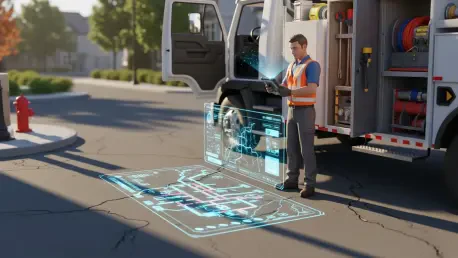
The efficiency of city operations is often hampered by departmental silos where information is not shared effectively across different agencies. However, a unified mobile infrastructure is now dismantling these barriers by allowing diverse departments—such as public works, law enforcement, and emergency management—to access a shared, real-time data stream. For instance, in the event of a major water main break, the coordinated response involves more than just fixing a pipe; it requires police to manage traffic, fire departments to mitigate potential property damage, and public works to execute the repair. When every crew member involved in the response is equipped with devices that share a common mapping and communication platform, the entire operation becomes more synchronized. This shared situational awareness ensures that everyone knows where personnel are located and what the current status of the infrastructure is, preventing conflicting actions and redundant efforts.
This synergy also extends to long-term planning and preventative maintenance, where data collected by one department can inform the activities of another. For example, data gathered by sanitation workers regarding road conditions can be automatically shared with the transportation department to prioritize pothole repairs. By operating within a connected ecosystem, the city functions as a single, cohesive unit rather than a collection of independent agencies. This holistic approach to municipal management not only saves time and money but also improves the overall safety and resilience of the city. When information flows freely between the field and the administrative offices, leadership can make more informed decisions about budget allocations and strategic priorities. Ultimately, a mobile-enabled government is one that can react to challenges with a unified front, ensuring that every tax dollar is used to its maximum potential for the benefit of the entire community.
Ensuring Security and Long-Term Scalability
Protecting Sensitive Data with Robust Management
As government agencies handle an increasing amount of sensitive citizen data on mobile devices, the importance of robust security and centralized management cannot be overstated. Modern mobile ecosystems address these concerns through sophisticated, hardware-backed security platforms that provide multiple layers of protection from the moment the device is powered on. These systems encrypt data at the chip level, ensuring that even if a device is lost, stolen, or subjected to a cyberattack, the information remains inaccessible to unauthorized parties. For public sector organizations, this level of security is a prerequisite for maintaining public trust and complying with stringent data privacy regulations. By investing in devices with built-in, military-grade protection, agencies can confidently deploy mobile solutions without fear of compromising the integrity of the sensitive information they manage on a daily basis.
In addition to hardware security, centralized management suites allow IT teams to oversee a vast fleet of devices with minimal effort. These platforms enable “zero-touch” deployment, where devices can be pre-configured with the necessary security policies and applications before they even reach the end user. Once in the field, IT administrators can remotely push updates, monitor device health, and wipe sensitive data if a security breach is detected, all without needing physical access to the hardware. This centralized control is essential for managing thousands of units across a sprawling municipal workforce, as it ensures that every device remains compliant with agency standards at all times. By automating these administrative tasks, government IT departments can shift their focus from routine maintenance to more strategic initiatives, such as developing new custom applications that further enhance field productivity and service delivery.
Transforming Phones into Desktop Workstations
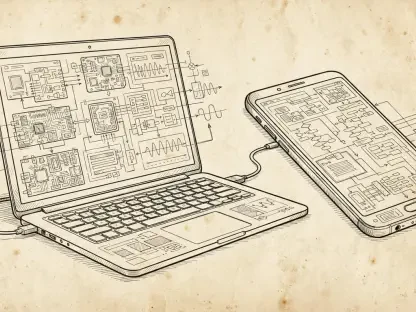
One of the most innovative and cost-effective trends in the current technological landscape is the ability to transform a smartphone into a fully functional desktop workstation. Through “desktop-extension” technology, employees can simply dock their mobile device into a monitor, keyboard, and mouse to enjoy a traditional PC experience. This capability is revolutionary for public sector agencies that previously had to purchase both a laptop and a smartphone for every field worker. Now, a single device serves as the primary computing tool for the entire workday, providing the mobility needed for field inspections and the processing power required for intensive office tasks. This convergence not only slashes procurement costs by half but also simplifies the user experience, as employees no longer need to worry about syncing files between different machines or managing multiple logins.
The flexibility offered by these “mobile-powered desktops” also supports the growing trend of hybrid work and flexible office spaces within government buildings. Instead of assigned desks with permanent PCs, agencies can implement hot-desking environments where employees plug their phones into any available docking station. This reduces the physical footprint required for government offices and allows for a more efficient use of real-time administrative space. For the employee, the ability to carry their entire workstation in their pocket means they are always prepared to work, whether they are in the office, in a vehicle, or at a remote site. This level of versatility ensures that the public sector remains agile and resilient, capable of maintaining operations even when traditional office environments are unavailable. By embracing this technology, municipal leaders are creating a more modern and adaptable workforce that is equipped to handle the evolving demands of the twenty-first century.
Delivering Measurable Operational Success
The transition toward a mobile-centric model has consistently demonstrated that it leads to higher operational efficiency and a significantly lower total cost of ownership for public agencies. By prioritizing a mobile-first strategy, state and local government leaders are ensuring that their organizations are equipped for both the mundane administrative tasks of today and the large-scale emergencies of tomorrow. This shift represents a move away from the static, office-bound systems of the past toward a dynamic, responsive, and highly coordinated municipal environment. The measurable success of these initiatives is seen in faster response times for emergency services, more accurate reporting in code enforcement, and improved satisfaction among citizens who benefit from more transparent and accessible government interactions. These improvements are not just incremental; they represent a fundamental upgrade to the very infrastructure of public service delivery.
Moving forward, the focus for public sector leaders should be on identifying the right technology partners who can provide the scalability and security required for long-term success. It is no longer enough to simply buy hardware; agencies must invest in a comprehensive ecosystem of software, services, and support that can grow alongside their needs. As mobile technology continues to evolve, the integration of more advanced AI features and 5G connectivity will further unlock new possibilities for public sector innovation. Agencies that take proactive steps to modernize their mobile infrastructure now will be better positioned to navigate future challenges and seize new opportunities for efficiency. By fostering a culture of digital mobility, the public sector can ensure it remains a reliable and effective steward of the community’s interests, proving that a connected government is ultimately a more capable and human government.