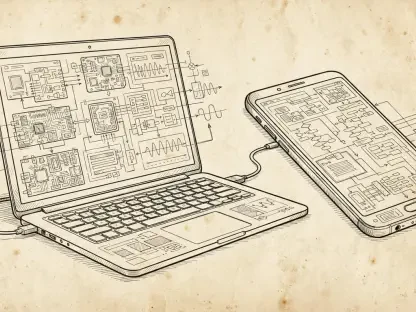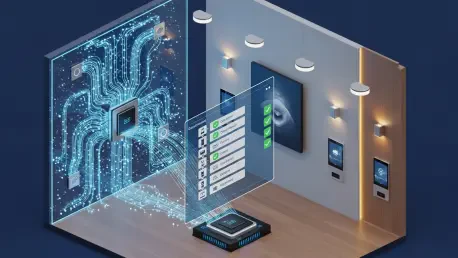

The modern luxury residential market demands an unprecedented level of technological cohesion that traditional programming methods often struggle to provide within tight project timelines. In this rapidly shifting landscape of 2026, the demand for seamless, responsive, and deeply integrated smart home ecosystems is higher than ever, pushing manufacturers to rethink the backend architecture that supports these expansive digital environments. Crestron Electronics has responded to this pressure by transitioning its next-generation configuration platform, known as Configure Pro, from an initial preview phase into full commercial availability. This shift marks a pivotal evolution for the Crestron Home OS ecosystem, as the platform is specifically engineered to replace the legacy Crestron Home Setup application. Instead of merely refreshing the aesthetics, the company has reimagined the deployment process from the ground up to ensure that high-end installations are faster and more reliable than ever before, catering to the specific needs of both the integrator and the homeowner.
Streamlining the User Interface and Workflow
Accessibility: Enhancing System Access
The primary motivation behind the global rollout of Configure Pro is a central concept that the manufacturer identifies as approachability, which aims to demystify professional-grade automation. Historically, the configuration of complex residential systems required a deep and often exhausting understanding of specific software quirks, but this new platform effectively dismantles those barriers with an exceptionally intuitive user interface. By prioritizing a logical layout that feels immediately familiar to technicians, the software significantly reduces what industry experts call setup friction. These are the minor technical hurdles and interface delays that, while seemingly small in isolation, often compound to create substantial time losses over the duration of a multi-week project. This intentional design philosophy ensures that technicians with varying levels of experience can navigate the system with confidence, allowing firms to deploy their human resources more efficiently across multiple job sites without sacrificing the high quality of the final installation.
Structure: Implementing Logical Workflow
Configure Pro introduces a streamlined two-column layout designed to guide users through the entire project lifecycle without the necessity of traditional, line-by-line coding. The workflow typically begins with the sophisticated auto-discovery of hardware components or an efficient manual entry system, both of which drastically reduce the time previously spent manually identifying individual devices on a local network. Following this initial stage, the software utilizes a room-based hierarchy that accurately mirrors the physical footprint of the residence. By organizing devices directly within their respective zones, the integrator essentially builds a comprehensive digital twin of the entire installation. This methodology makes the configuration process feel significantly more grounded and tangible, moving away from the abstract lists of the past. Even advanced technical tasks are managed through clear graphical menus, preserving high-end functionality while eliminating unnecessary backend complexity that used to hinder the rapid deployment of these smart systems.
Capabilities: Simplifying Technical Tasks
Even the most complex technical challenges, such as signal routing and multi-stage sequencing, have been simplified into graphical tasks within this new environment. Instead of wrestling with spreadsheets or antiquated code blocks, users can manage audio and video signals through clear, visual drop-down menus that update in real time. This refinement does not come at the cost of power; Configure Pro still handles advanced features like keypad programming, automated schedules, and custom actions with precision. It effectively preserves the high-end capabilities homeowners expect from the brand while stripping away the unnecessary complexity that used to plague the backend setup. By providing a visual representation of signal paths and device interactions, the platform allows for immediate troubleshooting and verification. This ensures that the final result is a polished, professional system that operates exactly as intended from the first day of occupancy, reducing the likelihood of unexpected glitches.
Driving Productivity and Business Growth
Collaboration: Supporting Multi-User Teams
One of the most transformative elements of the new configuration platform is its robust support for simultaneous multi-user collaboration, a feature that addresses a long-standing industry bottleneck. In traditional automation workflows, system configuration was largely a linear process where only one programmer could access and modify a project file at any given time, often leading to significant delays. Configure Pro changes this dynamic by allowing multiple specialists, such as lighting designers and audio-visual technicians, to work within the same project file independently and concurrently. This synchronized environment is specifically tailored to meet the rigorous demands of modern integration firms that are frequently tasked with managing massive, multi-zone residential estates on increasingly compressed schedules. By enabling parallel workflows, the platform ensures that the various subsystems of a smart home can be configured at the same time, which ultimately results in a more cohesive and rapidly deployed technological ecosystem.
Growth: Boosting Scalability and Profit
From a high-level management perspective, the implementation of such a structured tool serves as a primary engine for scaling business operations and maintaining rigorous quality standards. By significantly shortening the onboarding time required for new technical staff and standardizing the configuration process across different projects, business owners can better protect their profit margins and ensure faster project handoffs. The software effectively functions as a systemic safeguard against the inconsistent workarounds that often occur when using less structured or more fragmented programming tools. This leads to far more predictable outcomes for the client and a noticeable reduction in post-installation service calls, which are critical factors in the long-term health of an automation business. Furthermore, the professional nature of the handoff is enhanced, as the system reliability built into the configuration phase translates directly into a smoother user experience for the homeowner.
Ensuring Reliability Through Rigorous Development
Performance: Validating Field Reliability
The transition to the full commercial release of this platform was the culmination of over a year of intensive development and a series of exhaustive beta testing phases. Crestron collaborated closely with its network of active dealers to subject the software to real-world stress tests, ensuring that every individual feature addressed a genuine challenge faced during onsite installations. This data-driven development cycle allowed the engineering team to meticulously refine the user interface and prioritize the inclusion of tools that offer the most tangible value to technicians in the field. Because the platform was essentially vetted and shaped by the very professionals who utilize it daily, it enters the global market as a proven and stable solution. This level of rigorous field validation provides integration firms with the peace of mind necessary to deploy the software in high-stakes, multi-million dollar projects where reliability is not just a preference but a contractual requirement for success.
Education: Facilitating Dealer Transitions
To ensure the dealer community could successfully pivot to these new tools, the technical institute associated with the manufacturer launched a comprehensive suite of educational resources. These initiatives included a mixture of live, expert-led training sessions and self-paced digital learning modules designed to bring entire integration teams up to speed on the new interface in a matter of days. By investing heavily in these specialized educational assets, the company ensured that the shift from legacy setup applications to the modern platform was as frictionless as possible. This proactive approach to dealer support has helped the organization maintain its prominent leadership position within the industry while providing integrators with the specific knowledge required to master the next generation of automation technology. The focus on education ensures that even the most complex features of the software can be fully leveraged, allowing firms to deliver the sophisticated, high-performance environments their clients expect.
The release of Configure Pro established a new benchmark for how professional integration teams approached the deployment of luxury smart home systems. By moving away from the rigid and often cumbersome programming methods of previous eras, the industry took a definitive step toward a more agile and collaborative future. Integrators who adopted these modernized workflows found that they could complete complex projects with greater precision while simultaneously reducing the time spent on the construction site. This transition did more than just improve technical efficiency; it provided a scalable framework that allowed businesses to grow without compromising the stability of their installations. As the demand for high-performance home technology continues to expand, the focus shifted toward maintaining these high standards through ongoing education and the adoption of standardized digital tools. Ultimately, the successful rollout of this platform demonstrated that the path to a truly intelligent home was paved with smarter, more intuitive configuration strategies.