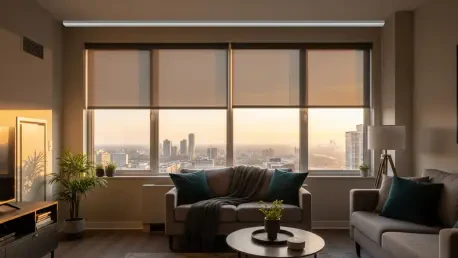

Traditional window treatments have long presented a significant hurdle for residents who want the convenience of automated lighting without the permanence of structural modifications. While the smart home industry has matured rapidly since early 2026, motorized shades remained an outlier due to high costs and the necessity of invasive drilling. The recent introduction of a no-drill motorized shade line by California-based Allesin marks a pivotal shift in this market segment, specifically targeting the millions of renters and homeowners who prioritize flexibility. By removing the technical and financial barriers associated with professional installation, the brand effectively democratizes access to light-control automation. This launch reflects a broader trend in home technology where “plug-and-play” simplicity is no longer a luxury but a baseline expectation for modern consumers seeking to optimize their living environments without long-term commitments or property damage.
Mechanical Breakthroughs: Redefining the Installation Experience
The primary breakthrough in the latest product line from Allesin is the total elimination of installation friction through a sophisticated mechanical design that bypasses traditional hardware. Instead of requiring electric drills, wall anchors, or specialized mounting brackets, these shades utilize a proprietary damage-free tension rod system that secures the unit firmly within the window frame. This mechanical innovation allows a single individual, regardless of their technical proficiency or tool kit, to complete the entire setup process in under ten minutes. By transforming what was previously a complex weekend home improvement project into a brief and simple task, the company has addressed one of the most significant psychological barriers to smart home adoption. This focus on user-centric engineering ensures that the product is ready for immediate use straight out of the box, catering to an audience that values time and efficiency above all other features.
This tool-free approach is specifically engineered to appeal to the massive demographic of individuals residing in rental properties where lease agreements often prohibit permanent alterations. Since the tension-based system leaves no unsightly holes or residual marks on the walls or window casings, tenants are able to enjoy the sophisticated benefits of smart shades without the risk of losing their security deposits upon departure. For homeowners, this design removes the financial burden of hiring expensive professional contractors, which significantly lowers the total cost of ownership for high-end window treatments. The portability of the system also means that if a resident moves to a new location, the shades can be easily uninstalled and transported to a different residence. This versatility changes the nature of motorized blinds from a fixed structural upgrade into a portable electronic appliance that offers long-term value across various living situations.
Energy Efficiency: Practical Benefits of Advanced Materials
The global market for automated window treatments is expanding at a steady pace, yet many potential buyers have remained hesitant due to the perceived complexity and permanence of integrated hardware. Allesin has strategically positioned its new offerings in the ideal middle ground of this industry, providing significantly more sophistication than entry-level budget brands while remaining far more accessible than custom-integrated luxury systems. This positioning makes advanced light control a viable option for the average household rather than a niche luxury reserved for high-end estates. Beyond the obvious novelty of remote operation, these shades provide substantial practical benefits for both residential health and household energy efficiency. The inclusion of honeycomb-style models features specialized air-trapping pockets that function as a thermal barrier, helping to maintain stable indoor temperatures and reducing the reliance on heating and cooling systems.
Thermal regulation is not the only functional advantage offered by this new line, as the materials used in the blackout versions are designed to significantly improve the quality of the indoor environment. By effectively blocking out external light pollution and reducing ambient noise, these shades contribute to better sleep patterns and overall wellness for individuals living in busy urban areas. Furthermore, the cordless nature of the motorized system eliminates a major safety hazard for households with small children or curious pets, removing the dangers associated with traditional pull strings. This focus on safety and health demonstrates that the product is more than just a convenience-driven gadget; it is a functional tool for creating a more controlled and secure living space. The use of durable fabrics also ensures that the shades maintain their aesthetic appeal over years of heavy use, providing a blend of style and substance that modern consumers demand for their homes.
Ecosystem Integration: Connecting Smart Hardware to Modern Software
Software integration serves as a foundational component of the company’s broader strategy, as the motorized shades are built to operate seamlessly within the popular Tuya and Smart Life platforms. By leveraging these established and widely used ecosystems, the manufacturer ensures that users can easily synchronize their window treatments with a wide array of existing smart devices, such as smart plugs and ambient lighting systems. This compatibility allows for the creation of complex home automation scenes that can be triggered with a single tap or a specific environmental condition. The shades are also fully compatible with major voice assistants like Amazon Alexa and Google Assistant, enabling hands-free operation from anywhere in the home. This level of connectivity ensures that the hardware does not exist in a vacuum but rather functions as a vital part of a unified smart home experience that adapts to the specific habits and preferences of the occupants.
The ability to automate shades based on specific schedules or external environmental factors represents a significant advancement in how people interact with their homes. Users can program the shades to rise automatically with the sun to provide a natural wake-up call or to close during the hottest parts of the afternoon to shield interiors from intense ultraviolet rays. This intelligent automation can even be linked to local weather data, allowing the shades to adjust themselves dynamically based on cloud cover or temperature shifts. Such proactive adjustments help to protect expensive furniture and flooring from sun damage while simultaneously optimizing the home’s energy profile without requiring manual intervention from the user. This transition from reactive to proactive home management illustrates the true potential of smart technology, where the environment anticipates the needs of the resident to provide a more comfortable and efficient experience throughout the day.
Brand Strategy: Ensuring Long-Term Value and Consumer Trust
To build long-term consumer trust and establish a firm foothold in the competitive smart home hardware market, the company has implemented a robust support system and a comprehensive warranty. Every motorized shade is backed by a three-year protection plan that covers both the mechanical components and the electronic motors, providing peace of mind for those wary of investing in new technology. This commitment to reliability is further supported by a dedicated customer service infrastructure designed to assist with everything from initial synchronization to advanced troubleshooting. The launch has also been accompanied by the introduction of a specialized customer loyalty club, which offers early access to firmware updates and exclusive insights into future product developments. By focusing on the entire lifecycle of the product, from the initial unboxing to long-term maintenance, the brand is signaling that it prioritizes the user experience as much as the technical specifications.
The successful rollout of these advanced window solutions demonstrated a significant leap forward in making sophisticated automation reachable for the general public. Instead of viewing smart shades as a permanent renovation, users began to treat them as portable assets that could adapt to various living situations without requiring additional financial investment. Moving forward, the emphasis shifted toward evaluating how these individual components could further integrate into holistic energy management systems that respond to real-time environmental changes. Consumers were encouraged to prioritize hardware that offered open ecosystem support to avoid the long-term pitfalls of proprietary software lock-in. By adopting modular and non-invasive technologies, the industry successfully transitioned away from high-friction setups that previously deterred widespread adoption. These developments provided a clear blueprint for how hardware manufacturers could address the specific needs of an increasingly mobile workforce.